Skip to content
Himalayan Salt Block Wholesale
Your Trusted B2B Partner for Gourmet Himalayan Salt Blocks and Wholesale Salt Bricks.
Serving businesses of all sizes, worldwide. No matter whereyou’re located, we’re here to support your Himalayan salt blockwholesale needs with flexible solutions and global reach.
Why Choose Our Himalayan Salt Blocks ?
100% Natural & Food-Grade
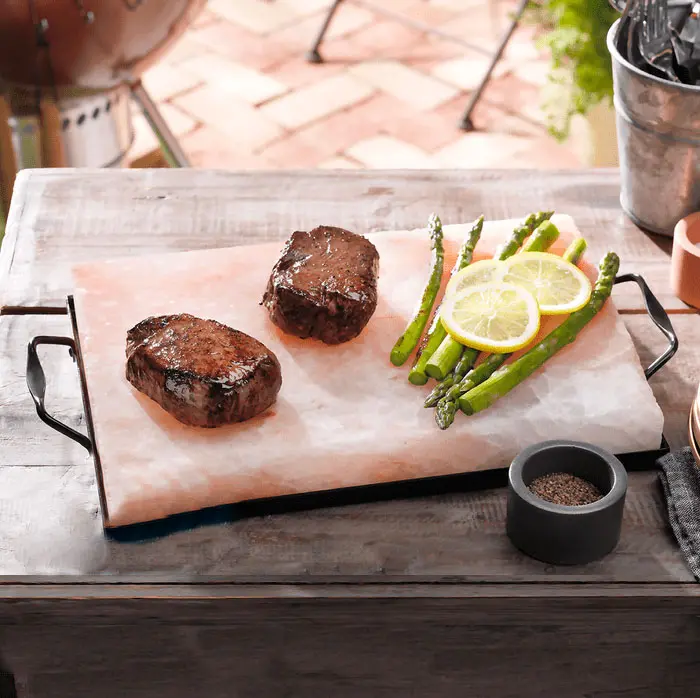
Our Himalayan pink salt blocks and wholesale himalayan salt blocks are made from authentic pink Himalayan salt, mined from the Khewra Salt Mine in Pakistan. They contain over 84 trace minerals and meet FDA and EU food safety standards — perfect for safe, natural cooking and food presentation with himalayan salt blocks for cooking.
Custom Wholesale Services
We support food service, hospitality, and retail clients with: Private label & branding options Sustainable, gift-ready packaging Custom sizes and shapes (e.g., himalayan rock salt cooking block, himalayan pink salt plate) Tailored to your market, designed for your brand.

Versatile for Cooking & Serving
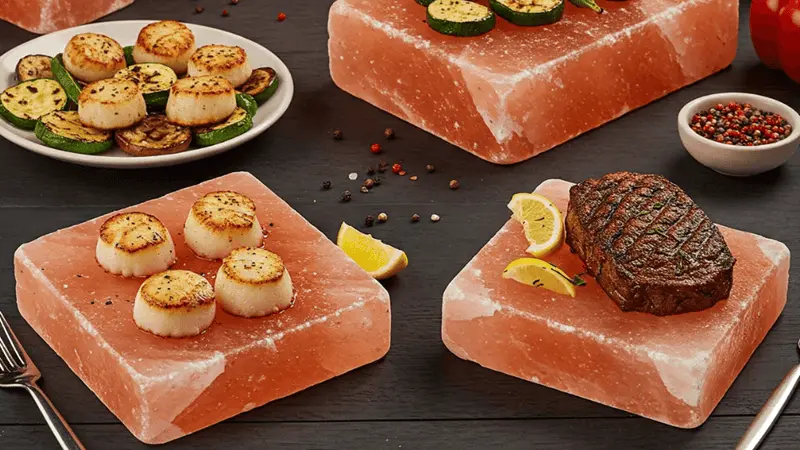
Ideal for grilling, searing, chilling, and plating — our himalayan salt block for grilling and cooking salt block for sale enhance both flavor and aesthetics. Whether for meat, seafood, sushi, or desserts, they elevate any culinary experience with a natural, gourmet touch using pink himalayan salt blocks.
Global Delivery & Flexible MOQs
We offer fast international shipping and low minimum order quantities for himalayan salt bricks wholesale. Whether you're a local importer or a global chain, we can accommodate your needs with secure packaging and reliable logistics.
Artisan Salt Blocks
Crafted from 100% pure Himalayan salt. Each piece features unique natural veining, designed to elevate premium dining and grilling experiences.For slab formats, sizes and food-contact finishing details, browse custom salt slabs wholesale.

NATURAL HIMALAYAN SALT BLOCK
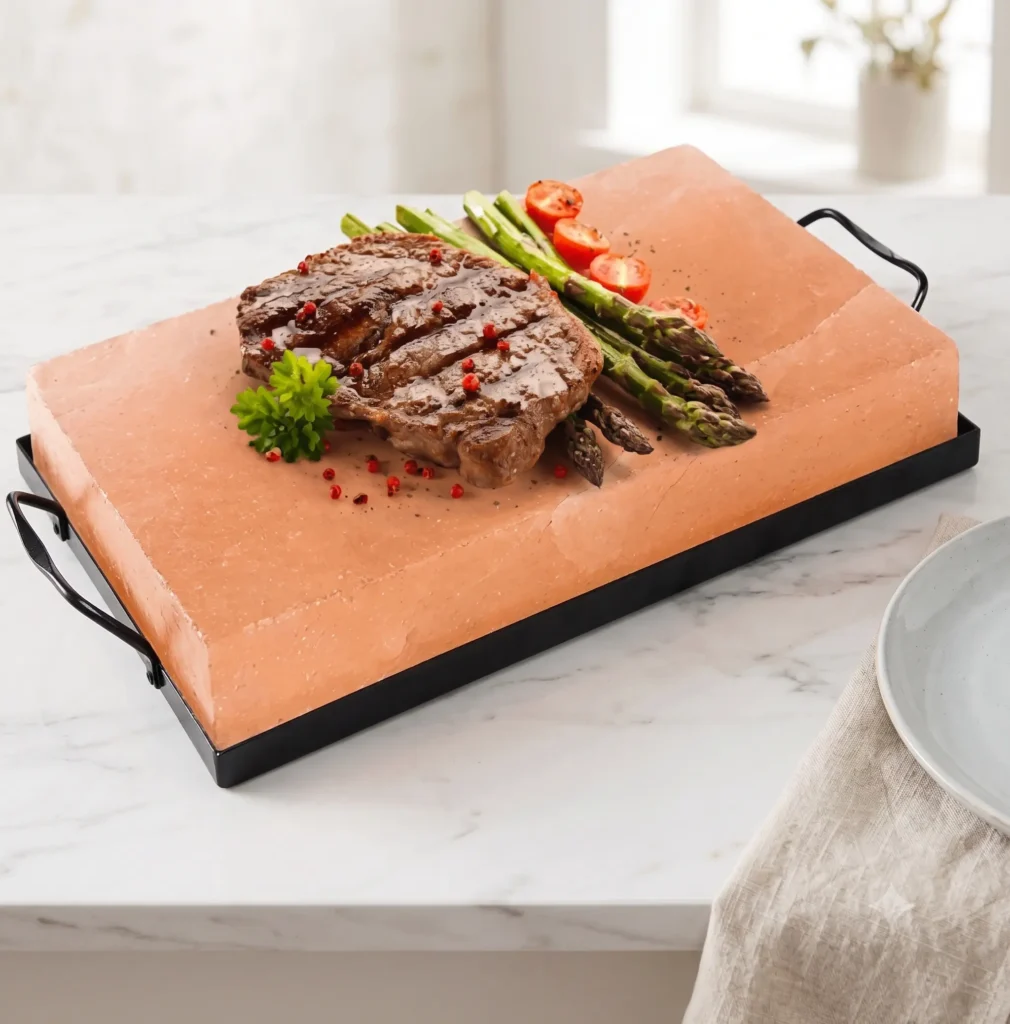
HIMALAYAN SALT BRICK STEAK SEARING PLATE

SALT BLOCK SERVING & GRILLING

ROUND HIMALAYAN SALT BRICK PLATE
Table of Contents
Download Our Exclusive Catalog
Receive our comprehensive product guide featuring our premium Himalayan salt lamps, bricks, and custom wall solutions. Enter your details for an instant download.
Comprehensive Guide to Himalayan Salt Blocks
Culinary Use - Himalayan Salt Cooking Blocks for Food Service
High End Dining
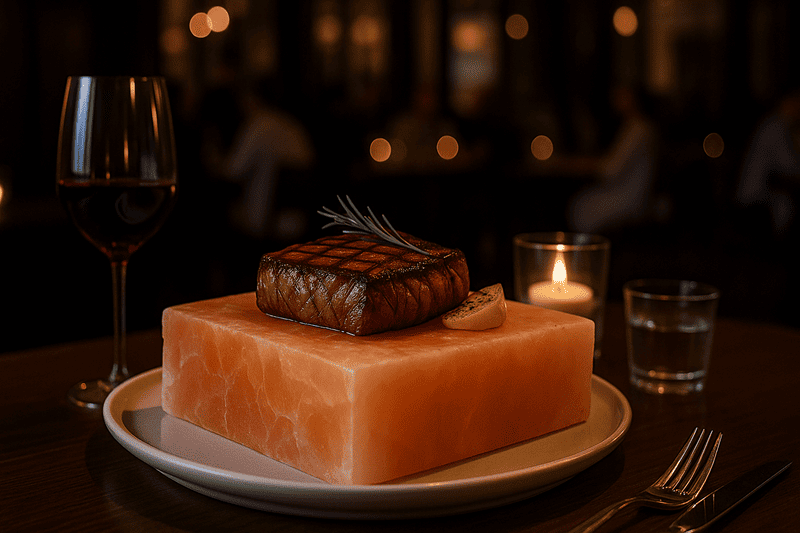
Himalayan salt blocks for cooking offer restaurants and barbecue venues a unique way to enhance flavor and presentation — perfect for attracting premium customers and creating a memorable dining experience with himalayan rock salt cooking block.

Retail & E-Commerce - Pink Salt Blocks for Consumer Markets
Health & Lifestyle Retail
We supply wholesale salt bricks and himalayan pink salt blocks in bulk to health food stores, gift shops, and online retailers — meeting the growing demand for wellness-focused and natural lifestyle products.
Hospitality - Salt Blocks for Hotels & Resorts
Restaurants & Spas:
Himalayan salt block wholesale provides innovative cooking and serving solutions for hotel kitchens and spa centers, helping elevate brand value and customer experience with himalayan salt blocks.
Culinary Artistry: How to Use Himalayan Salt Blocks。
Discover the Versatile Ways to Cook, Chill, and Present with Our Premium Himalayan Salt Blocks - Perfect for Food Professionals and Specialty Retailers.
🍳 Cooking
🔥 Heating
❄️ Chilling
🧽 Cleaning
⚠️ Note:Do not use in the oven. Natural cracks are normal and do not affect function.
What We Can Customize:
Flexible Options Tailored to Your Business
Salt Block Size & Shape
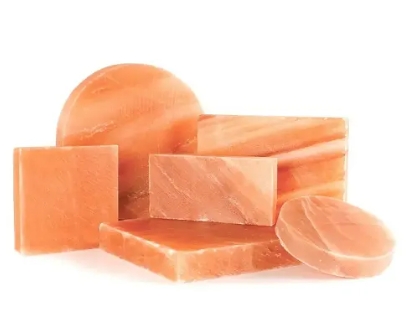
Standard: 8×4×2 inches
Optional shapes: round, square, mini cubes, slabs
(e.g., himalayan salt block uses)
Custom thickness available for grilling or display
Packaging
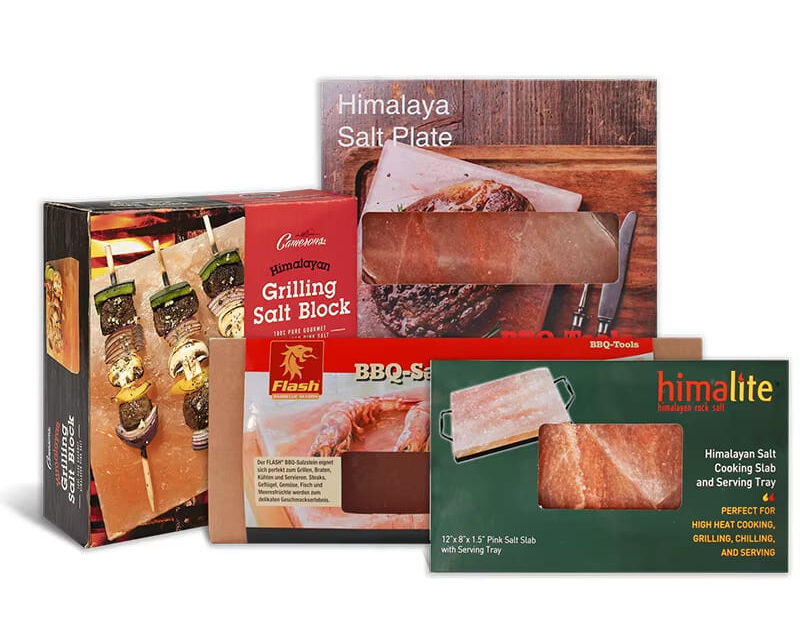
Retail-ready gift boxes
- Eco-friendly or export-safe packaging for wholesale himalayan salt blocks
- Add barcode, care instructions, or multi-language labels
- Private label printing with your brand logo
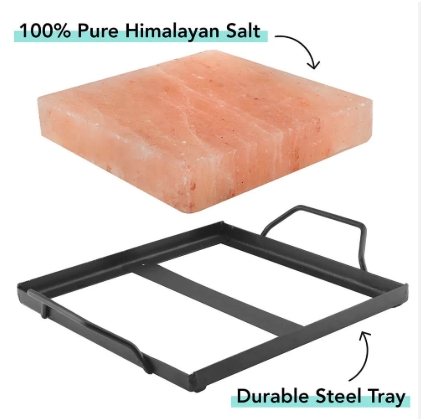
Metal Tray & Accessory Sets
Stainless steel trays designed to hold himalayan salt bricks wholesale safely
- Custom-fit sizes available (for cooking or serving)
- Can be bundled with cleaning scrapers, gloves, or brushes
🌍 Ideal For: Restaurant suppliers Wellness and gourmet gift retailers Hotels, spas, and resorts E-commerce brands
Professional Sourcing & Strategy Knowledge Hub
Make informed procurement decisions with our expert guides on market trends, material science, and global logistics for authentic Himalayan salt products.
FAQ
Q: Is it safe to cook directly on the salt block, and will it crack?
A: Yes, it is completely safe. Our Himalayan salt blocks are 100% natural, food-grade, and withstand extreme temperatures. However, natural salt blocks can crack if subjected to sudden temperature changes. To prevent this, always heat the block gradually (in 15-minute intervals) on a gas stove or grill. Do not put a cold block on a high flame or use it in an oven.
Q:What is your Minimum Order Quantity (MOQ), and can I get a sample before bulk ordering?
A:Our MOQ is highly flexible to support businesses of all sizes, starting at just 100 pieces for our standard 8×4×2 inch blocks. We absolutely provide samples for quality evaluation before you commit to a wholesale
Q: Can you provide customized packaging and private labels for my brand?
Q3: Can you provide customized packaging and private labels for my brand?
A: Yes! As asource factory, we specialize in OEM/ODM services. We can provide retail-ready gift boxes,custom insert cards with care instructions, barcode labeling, and even bundle the salt blocks with custom stainless steel serving trays to make your products shelf-ready.
labeling, and even bundle the saltblocks with custom stainless steel serving traysto make your products shelf-ready.
Q: Can the salt block be used for chilling as well as heating?
A: Absolutely. Beyond grilling and searing, our Himalayan pink salt plates can be refrigerated for 2+ hours and used as stunning, naturally cooling platters for sushi, fresh fruits, cheeses, and cold desserts.
Q: How should the salt blocks be cleaned and stored?
A: Let the block cool completely. Scrape off food residue, wipe with a damp sponge, and pat dry with a paper towel. Never use soap or soak it in water. Store it in a dry, room-temperature environment to prevent moisture absorption.

Let's work together
0086 186 8640 9292