Skip to content
Key Takeaways
- Stock 70% location-specific souvenirs and 30% evergreen travel gifts to capture both the tourist and the local.
- Organise the store by destination, not by product type; tourists buy by place, not by category.
- Price souvenirs in round numbers under the local impulse threshold; a tourist with local currency buys on instinct.
The souvenir shop is not a gift shop with a travel theme; it is a destination-driven retail format with its own stocking logic, its own pricing strategy, and its own customer behaviour. Tourism souvenir retail trends in 2026 show that the most successful souvenir retailers are those who understand that the tourist buys on impulse, on emotion, and on recognition. This guide explains how to stock a souvenir shop, how to price for the tourist customer, and how to merchandise for maximum impulse conversion.
The tourist customer is different from the local customer. The tourist is in town for a limited time, has a finite budget in an unfamiliar currency, and wants a reminder of the place. The local customer visits regularly, knows the prices, and buys gifts for visitors. The souvenir shop that stocks only for the tourist misses the local customer; the shop that stocks only for the local misses the tourist. The best shops stock for both.
The 70/30 Stocking Rule
The 70/30 rule is the most reliable stocking guideline for a souvenir shop. 70% of the inventory should be location-specific: products that name the city, feature the landmark, or carry a local symbol. These are the products the tourist buys for themselves and as gifts. 30% of the inventory should be evergreen travel gifts: products that are related to travel, nature, or the local culture but are not specific to one destination. These are the products the local customer buys for visiting friends, and they provide a backup for the tourist who does not want a landmark product. The National Retail Federation tourism retail data shows that the 70/30 ratio maximises both tourist impulse purchases and local repeat business across a range of destination types.
Pricing for the Tourist Customer
The tourist prices in round numbers in the local currency, not in their home currency. A product priced at a clean round number in the local currency is an easy mental calculation for the tourist, and an easy calculation is an easy purchase. The tourist also has an impulse threshold: a price point below which they will buy without thinking, and above which they will hesitate. That threshold varies by destination and by demographic, but it typically sits at a specific local-currency price point. The souvenir shop should price the entry-tier impulse products below that threshold and the premium products above it, with a clear visual distinction between the tiers. The wholesale wooden crafts programme should include pricing guidance for the souvenir channel, with recommended retail price points based on the destination type and the tourist demographic.

Merchandising by Destination
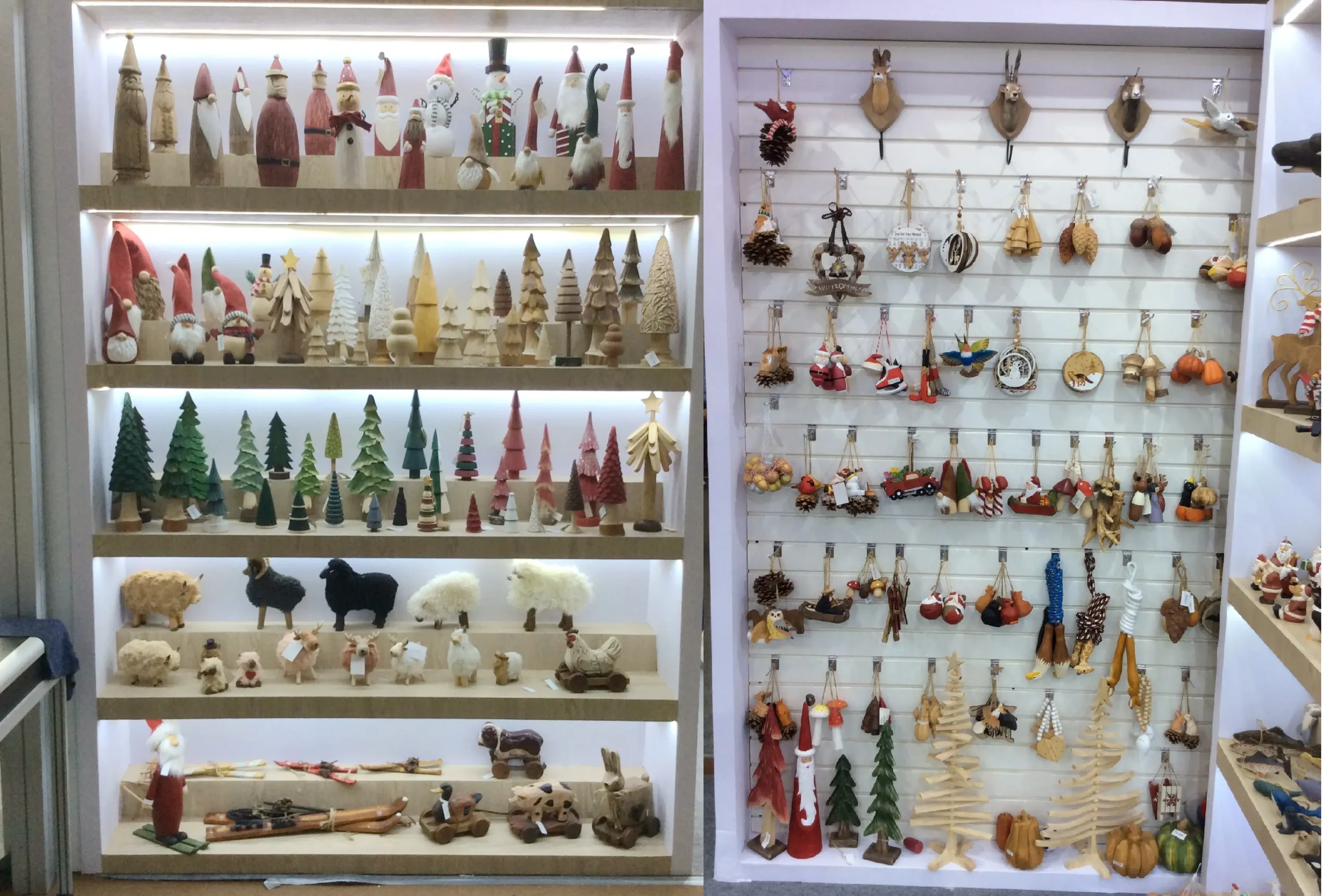
The souvenir shop should be organised by destination, not by product type. A tourist looking for a New York souvenir wants to see all the New York options in one place, not scattered across shelves of mixed destinations. Use shelf dividers, signage, and colour coding to create destination-based sections, and place the most iconic designs at eye level. The entry of the shop should feature the most popular destination products, because the tourist who walks in and immediately sees the landmark they recognise is the tourist who stays to browse. The shop should also have a small local-interest section for the resident customer, positioned away from the tourist flow so the resident can browse without competing with the tourist traffic.
Seasonal Rotation for the Souvenir Shop
The souvenir shop has two busy seasons: the peak tourist season and the holiday gifting season. The shop should plan a seasonal rotation that reflects both. In the peak tourist season, the destination products should dominate the shop, with the evergreen gifts as a supporting category. In the holiday season, the shop should stock holiday-themed destination products, ornaments, and gift sets that the local customer buys for visiting relatives. The rotation should be planned with the supplier six months ahead, because the seasonal products must be produced in the off-peak period when capacity is available. The custom manufacturing programme should include a seasonal rotation module that the buyer can use to plan and order the seasonal products.
Inventory Management for Souvenir Shops
The souvenir shop has a unique inventory challenge: the products are tied to a location, and the demand is seasonal and tourist-driven. The shop should maintain a safety stock of the top-selling destination products during the off-season, and should order a seasonal top-up before the peak tourist season. The seasonal top-up should be ordered six months ahead, because the supplier needs production lead time and the container needs to arrive before the tourists do. The wholesale wooden crafts supplier should be able to produce the souvenir range on a predictable lead time and hold safety stock on the most popular designs.
The inventory should also account for the product lifecycle of a destination design. A skyline design that sells strongly for two years may slow in the third as the market saturates. The buyer should track the sell-through of each destination design season by season, and should refresh the range with new designs or variations before the old designs plateau. The refresh keeps the product looking current and gives the returning tourist a reason to buy again.
The souvenir shop’s inventory is also its marketing. A deep inventory of a destination category signals to the tourist that this is the place to buy, and the full shelf of options encourages browsing. A shallow inventory signals that the shop is understocked or not committed to the category, and the tourist walks past. The buyer should invest in the inventory depth of the top three destination categories before expanding to new destinations, because a deep shelf in a few destinations outsells a shallow shelf in many.
Online Souvenir Sales
The souvenir shop that sells online competes with every other souvenir shop in the destination, because the tourist searches for the destination, not the shop. The online shop should win the search by having the destination name in the product title, the description, and the URL. The product page should show the product, the landmark it references, and a lifestyle image of the product in context. The online shop should also offer personalisation, because the customer who orders a personalised souvenir online is making a deliberate purchase, not an impulse one, and the deliberate purchase carries a higher margin.
The custom manufacturing programme should include an online-selling module that provides the product photography, the destination-specific copy, and the SEO metadata for each destination. The supplier who provides the online-selling toolkit gives the souvenir shop everything it needs to compete online, and the shop that competes online captures the tourist before they even arrive.
The souvenir shop is a unique retail format that rewards the buyer who understands the tourist customer, the 70/30 stocking rule, and the seasonal rotation. The buyers who stock deep in the top three destinations, price in round local numbers, and merchandise by destination will own the souvenir market in their location. The buyers who stock shallow, price erratically, and merchandise by product type will lose the tourist to the shop next door. The souvenir category rewards the prepared, and the preparation starts with the destination research and the stocking plan.
The souvenir shop is a destination-driven format that rewards the buyer who stocks for the tourist, prices for the impulse, and merchandises by destination. The 70/30 rule, the round-number pricing, and the seasonal rotation are the three pillars of a successful souvenir programme. The buyers who build all three will own the souvenir market in their destination. The buyers who build only one will struggle. The programme is a system, and the system starts with the stocking plan.
Frequently Asked Questions
What is the best stock mix for a souvenir shop?
70% location-specific products and 30% evergreen travel gifts. This ratio serves both the tourist and the local customer.
How should I price souvenirs for tourists?
In round numbers in the local currency, below the impulse threshold for entry products. Easy mental calculation equals easy purchase.
How should I organise the souvenir shop?
By destination, not by product type. Tourists buy by place, and the most iconic designs should be at eye level at the shop entrance.
When should I plan seasonal souvenir rotations?
Six months ahead. Seasonal products must be produced in the off-peak period when supplier capacity is available.
Should souvenir shops serve local customers too?
Yes. The local customer buys for visitors, knows the prices, and provides repeat business. Stock a local-interest section away from the tourist flow.
Stock Your Souvenir Shop with a 70/30 Mix
Source location-specific wooden souvenirs and evergreen travel gifts from one supplier, with pricing guidance and seasonal rotation support for the tourism channel.
Explore Wholesale Wooden Crafts →