Skip to content
Sourcing white and natural wood for minimalist decor carries a significant inventory risk: yellowing. Products finished with low-cost, oil-based paints amber over time, leading to devalued stock and customer complaints about color inconsistency. This directly impacts retailer margins and brand reputation. Why Minimalist Wood Decor is gaining shelf space in home stores.
This analysis evaluates material stability, focusing on how premium Basswood and Pine perform with non-yellowing, water-based finishes. We assess how these choices affect long-term color integrity and compliance with EN71 safety standards, ensuring your product line retains its value.
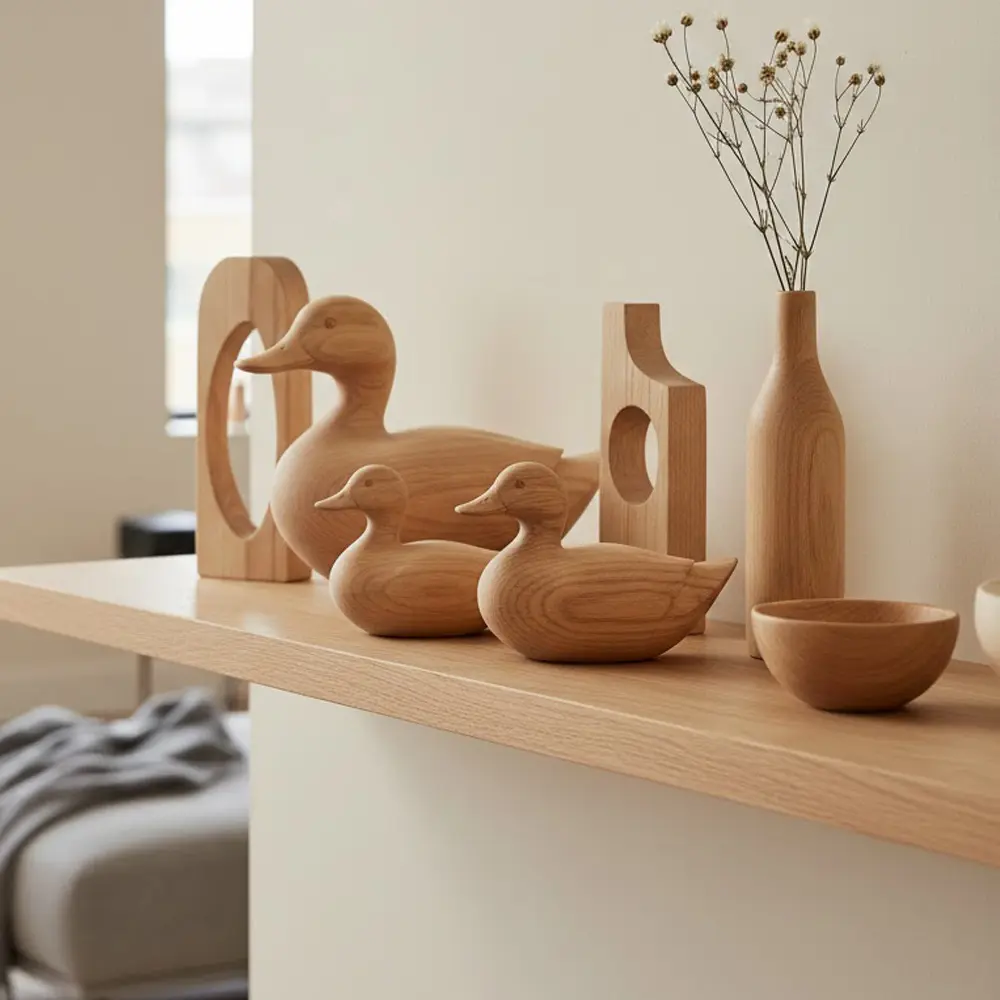
Scandi Design & Wood
Scandinavian design champions minimalism and nature. Light-toned woods like basswood and pine are central to this style, providing warmth, clean lines, and simple beauty.
Core Principles of Scandinavian Wood Design
The entire philosophy hinges on using natural materials and clean lines. This approach creates a sense of space and light, which is critical in Nordic interiors where daylight can be limited. The goal is an uncluttered, serene environment.
It’s a minimalist mindset that prioritizes functional aesthetics. Every piece must have a purpose, and beauty is found in its simplicity and craftsmanship, not in excessive ornamentation. The focus is always on utility and quality.
There is a strong preference for light, natural wood finishes. These finishes enhance brightness and bring an organic warmth indoors, reflecting a deep connection to the natural world. They make spaces feel both airy and grounded.
Why Basswood and Pine Embody the Nordic Aesthetic
The choice of wood is deliberate. The right material doesn’t just fit the look; it embodies the principles of quality and authenticity. That’s why specific softwoods are ideal for creating genuine Scandi decor.
- Premium Basswood features a fine-grained, smooth surface. This makes it perfect for the subtle, handcrafted details that are a hallmark of authentic Nordic design. Its consistent texture allows for artisan precision.
- Resilient Mongolian Pinewood offers a more distinct natural grain and excellent durability. This reflects the Nordic value of long-lasting craftsmanship and products built to endure.
- Both of these ethically sourced softwoods are perfect for creating hand-sculpted pieces. They allow artisans to celebrate raw texture and the unique character that only comes from working by hand, not by machine.
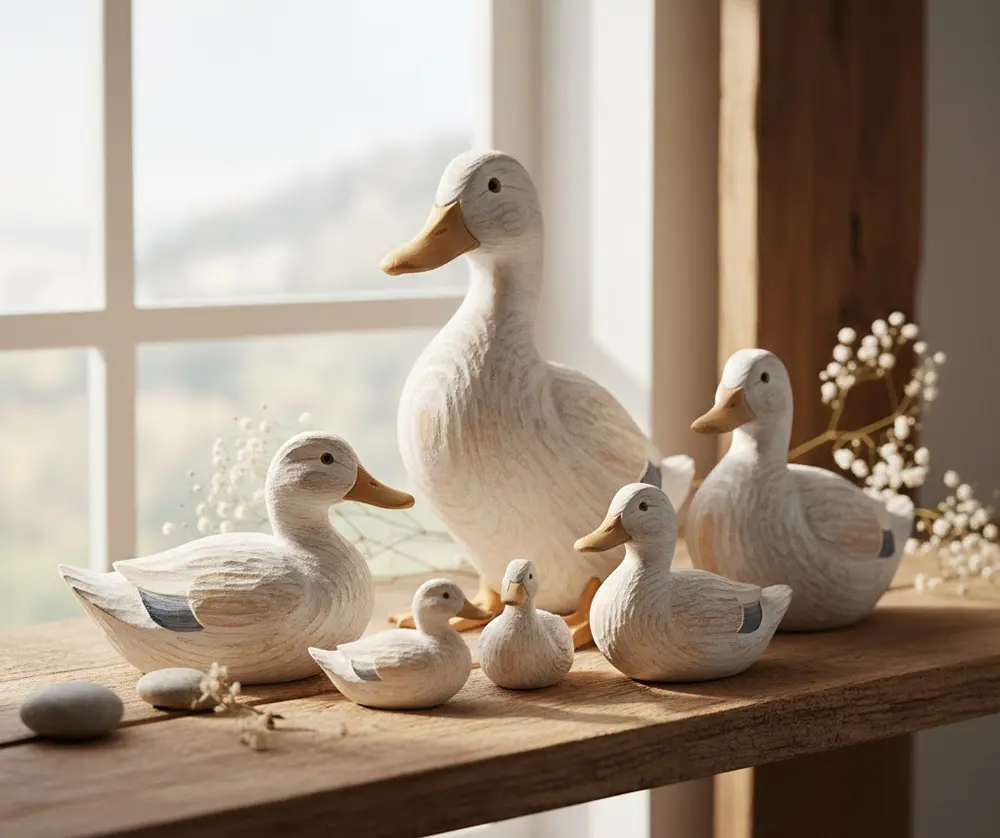
“White Wash” Technique
Whitewashing is a painting technique that applies a semi-transparent white layer to lighten wood. It creates a rustic aesthetic while keeping the natural grain and texture visible.
Lightening Wood While Preserving Natural Grain
Whitewashing is not about covering the wood with solid paint. It’s a finishing method that applies a thin, semi-transparent white layer to a wood surface. The primary goal is to create a faded, sun-bleached look that feels soft and rustic.
Unlike a standard paint job, this technique is specifically designed to allow the natural wood grain and texture to show through. You get the benefit of a lighter, weathered color without losing the authentic character of the material underneath.
Ideal Application on Basswood and Pine
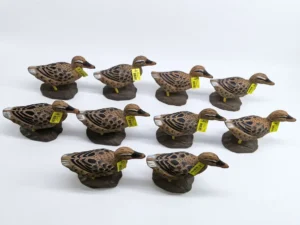
The technique is most effective on raw, unfinished woods. This makes it perfectly suited for our wooden ducks, which are crafted from premium, fine-grained Basswood and resilient Pine sourced from Changbai Mountain.
The modern whitewash method uses a mixture of water and latex paint, which aligns perfectly with our use of non-toxic, water-based paints that meet EN71 safety standards. The exceptionally smooth surface of Basswood allows for an even, consistent finish that showcases its subtle grain, giving the final product a clean, artisanal look.
Source Premium, Custom Hand-Carved Wooden Ducks
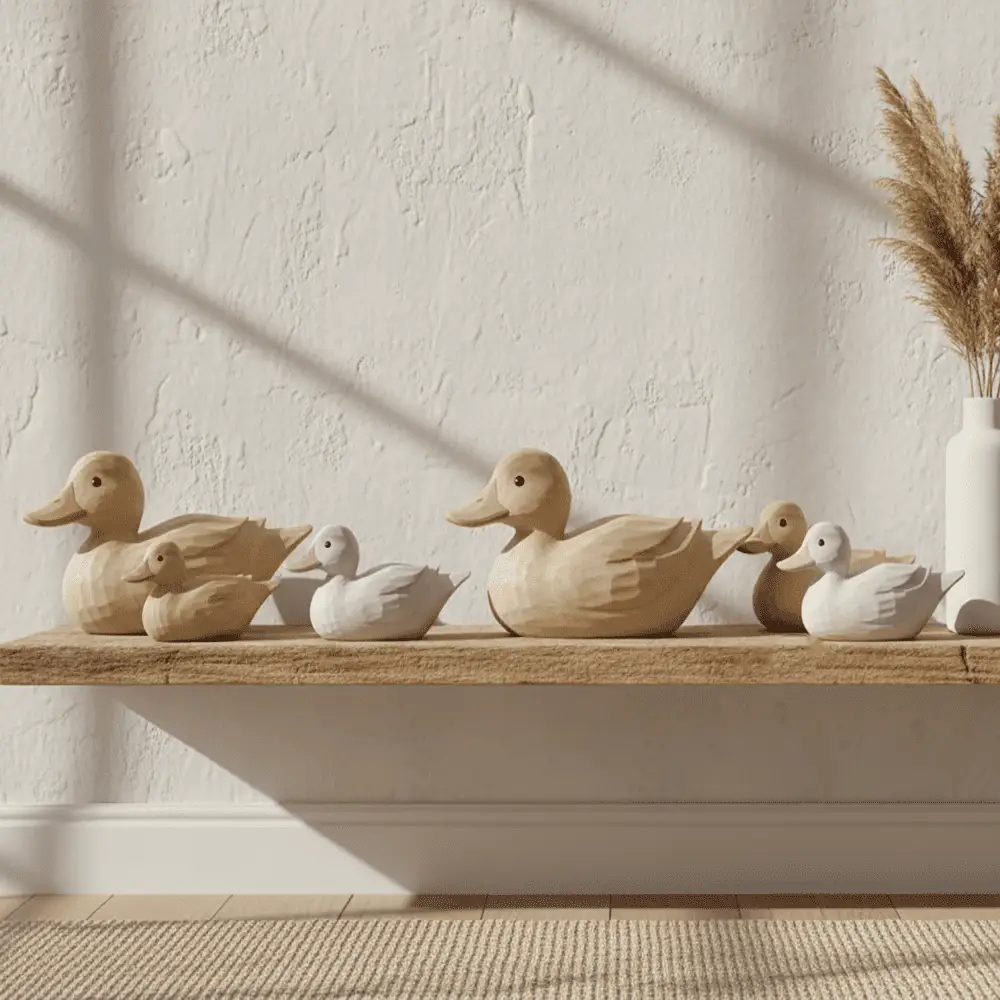
Selecting Wood Grain
Wood grain selection is key to the aesthetic of any wooden piece. We use fine-grained Basswood for its smooth surface and resilient Pine for its distinctive natural character.
| Feature | Fine-grained Basswood | Resilient Mongolian Pine |
|---|---|---|
| Grain Texture | Closed grain; smooth, uniform surface with minimal visible pores. | Open grain; distinctive, natural patterns that add character. |
| Best For | Intricate, hand-sculpted details and vibrant, smooth paint application. | Products where authentic, rustic wood character is a key feature. |
| Source | Sustainably sourced from Changbai Mountain. | Sustainably sourced from Changbai Mountain. |
How Grain Patterns Define a Product’s Look
The visual character of any handcrafted item is dictated by its wood grain. This isn’t just about color; it’s about the texture and pattern inherent in the timber itself. Understanding these patterns is critical for predicting the final look of a product line.
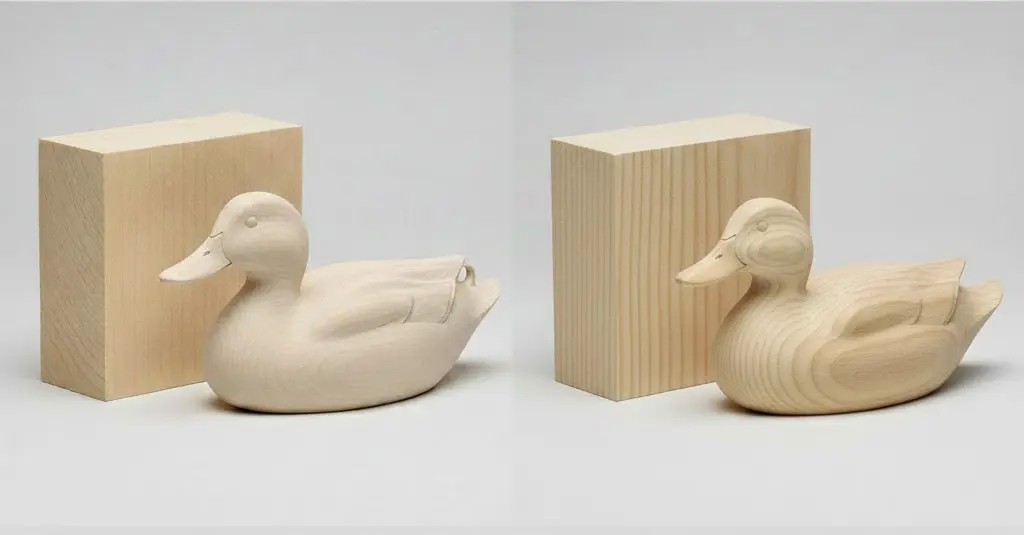
- Straight Grain: Fibers run parallel, creating a clean and uniform appearance. This pattern works well for minimalist designs where consistency is important.
- Wavy or Figured Grain: Features natural, irregular patterns that make each piece unique. This “artisanal variance” is a mark of authenticity in handcrafted goods.
- Open vs. Closed Grain: Woods with open grains have visible pores, creating a more rustic texture. Closed-grain woods, like the Basswood we use, have a smooth, non-porous finish perfect for detailed carving and painting.
Our Premium Softwood Selections
We select our timber based on its workability and aesthetic contribution. Every material choice is deliberate and serves the final product’s quality and appearance.
Our primary material is fine-grained Basswood (Tilia), sourced from Changbai Mountain. Its smooth, uniform texture is the ideal canvas for the hand-sculpted details our artisans create. The closed grain ensures paint applies evenly for a vibrant, consistent finish across large production runs.
We also use resilient Pine (Pinus sylvestris ). We choose this species for its durability and its distinctive natural grain. For products that need to showcase authentic wood character, the patterns in pine provide a look that can’t be replicated by machine.
Minimalism in Decor
Minimalist decor uses clean lines and neutral colors to create calm, uncluttered spaces. Natural materials like handcrafted wood are essential for adding warmth without disrupting the simplicity.
The Foundation of Uncluttered Spaces
Minimalist design isn’t about emptiness; it’s about intentionality. The goal is to create a calm environment by stripping away visual noise. Every element in the room must serve a distinct purpose or add specific aesthetic value. This philosophy relies on a few core principles to achieve a clean, functional, and serene space.
- Clean Lines & Simplicity: The design emphasizes functional forms and avoids ornate details. The focus is on the object’s core purpose, which naturally reduces visual clutter.
- Restricted Color Palette: The aesthetic is built on a foundation of neutral tones like white, grey, and beige. Natural wood is a key material, used to add texture and warmth while maintaining the muted palette.
- Purposeful Objects: Every piece is chosen deliberately. There are no superfluous decorations. An object is either functionally necessary or it contributes a specific, valued character to the space.
Hand-Carved Wood for Authentic Warmth
While minimalism can feel stark, introducing natural materials prevents it from becoming cold. This is where handcrafted wooden elements, like our decorative ducks, find their place. They align perfectly with the minimalist ethos by adding organic texture and character without creating clutter.
Each duck is 100% hand-carved from premium Basswood, a material known for its fine grain and smooth surface. This process introduces an authentic, natural texture that contrasts beautifully with the clean lines of minimalist furniture. Because every piece is handmade, the unique wood grain and slight artisanal variance ensure that no two are exactly alike. This one-of-a-kind character adds a layer of depth and personality, bringing organic warmth that complements the neutral palette without overwhelming the space.
Preventing Yellowing
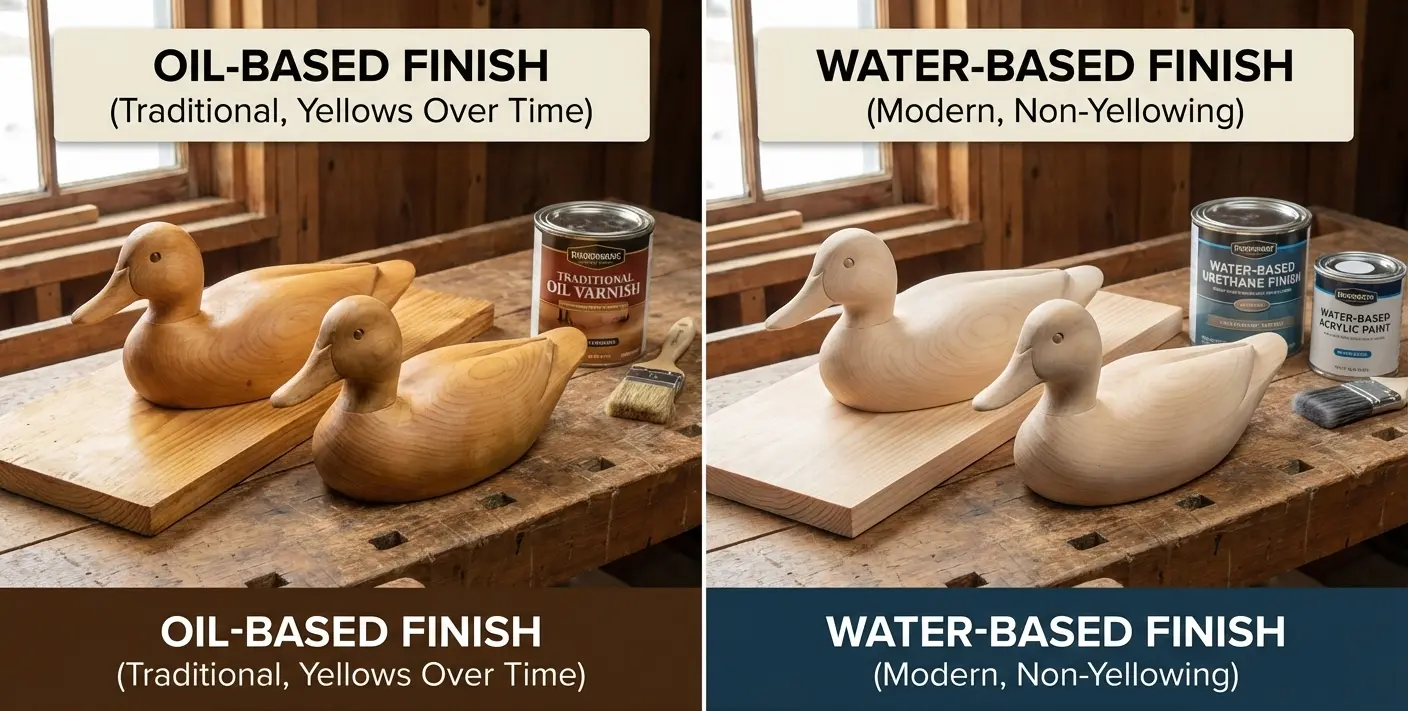
Minimizing yellowing in woods like basswood and pine depends almost entirely on the protective finish. Water-based finishes dry clear, while oil-based finishes add an amber tint.
The Role of Protective Finishes
The choice of finish is the most critical factor in controlling wood color changes. Traditional oil-based varnishes inherently add an amber hue that deepens with age, causing the wood to look more yellow.
Modern water-based urethane and acrylic finishes are the most effective options for preserving pale, natural wood tones. They create a durable protective layer that does not yellow, keeping the original wood color intact for longer.
Our Use of Non-Yellowing Water-Based Paints
We exclusively use non-toxic, eco-friendly water-based paints for all our hand-painted wooden ducks. This decision directly addresses color stability, a common concern for wholesalers and retailers.
By applying these advanced finishes to our premium Basswood and Pine products, we ensure the wood’s natural beauty is maintained. This approach minimizes color change and complies with strict EN71 and ASTM safety standards, a key requirement for our partners in European and American markets.
Curating Neutral Tones
Creating rich neutral spaces means layering textures like wood and linen with subtle color shifts. This adds depth, with natural Basswood and Pine acting as perfect anchors.
Balancing Texture and Tone for Depth
A successful neutral palette is about much more than just beige or white. It relies on a deliberate mix of textures to create tactile interest and prevent the space from feeling one-dimensional. You achieve this by layering different materials—think of the interplay between rough linen, smooth stone, and the natural grain of wood. This creates a sensory depth that color alone can’t provide.
Instead of sticking to a single tone, introduce subtle color variations. A warm gray, a muted green, or a soft taupe can break up the monotony without disrupting the calm atmosphere. The final touch is strategic contrast. Adding a few darker elements, like a charcoal throw or black metal accents, gives the room dimension and stops it from looking flat.
Using Basswood and Pine to Anchor a Neutral Palette
Natural wood is essential for grounding a neutral design scheme. Our handcrafted ducks, made from either premium Basswood or Mongolian Pinewood, are designed to serve this exact purpose. Each material offers a distinct texture that complements a neutral interior.
The fine-grained Basswood provides a smooth, subtle finish that integrates perfectly into minimalist and Scandinavian styles. Its quiet texture adds a natural element without overwhelming the clean aesthetic. On the other hand, the distinctive grain of our Resilient Pine offers more visual warmth and character. It can act as a natural focal point, introducing a layer of rustic authenticity to an otherwise simple space.
Sustainable Packaging
In 2026, sustainable packaging prioritizes ethically sourced materials like FSC-certified wood over simple recyclability. This approach combines eco-friendly credentials with robust engineering, using durable cartons to protect products during global transit and reduce waste from damage.
Emphasis on Sourced and Renewable Materials
The market today looks past the “recyclable” sticker. Buyers want to know the origin of the materials. Our packaging strategy is built on using renewable resources like FSC-certified Mongolian Pinewood. This isn’t just about appearances; it’s a direct response to the global demand to reduce plastic dependency and demonstrate environmental responsibility from the very first touchpoint.
Transit-Ready Protective Engineering
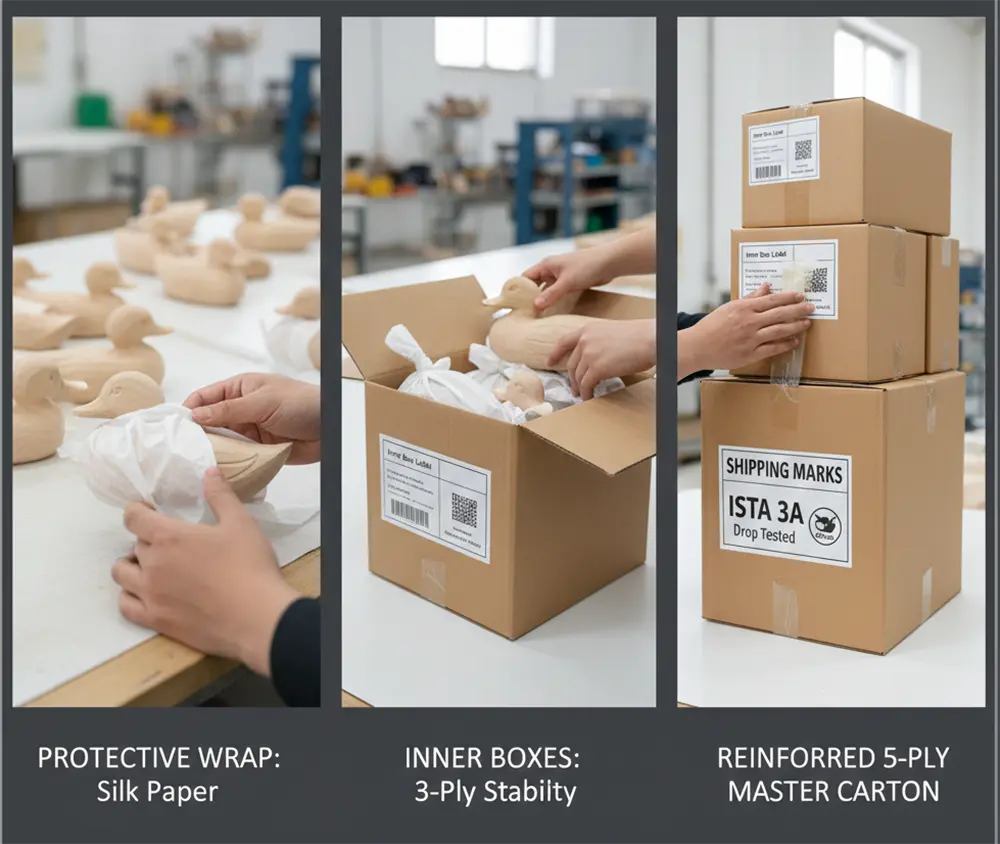
A crushed product is the most unsustainable outcome. True eco-responsibility includes ensuring goods survive the journey. We use 5-Ply BC Flute corrugated master cartons specifically designed for the demands of international air and sea freight. Our cartons are engineered to pass the ISTA 3A Drop Test, which means your inventory arrives intact and ready for sale, preventing the waste and cost associated with transit damage.
Frequently Asked Questions
Does natural wood turn yellow over time?
Yes, natural wood’s color can shift with age. The specific change depends on the wood type, its finish, and sun exposure. Lighter woods are more prone to yellowing from UV light. Oil-based finishes can also add an amber tint, while water-based finishes tend to stay clear and better preserve the original color.
Are these handcrafted ducks varnished?
Our ducks are finished to preserve their natural look, so we typically avoid traditional varnish which can darken the wood. We use non-toxic, water-based paints and finishes that protect the piece while maintaining the light, authentic feel of the basswood and pine.
Can I see the natural wood grain on the ducks?
Absolutely. The visibility of the grain depends on the specific piece. We use fine-grained woods like Basswood, which offers a smooth surface ideal for detailed painting. You will see subtle, natural patterns that confirm each duck is carved from real wood and is truly one-of-a-kind.
Is minimalist or natural wood decor a cheaper option?
The price of minimalist decor is based on material quality and craftsmanship, not just the style. While the simple aesthetic is available at budget-friendly prices from large retailers, high-quality, handcrafted pieces made from solid wood often reflect a higher value due to the skill and time involved.
Final Thoughts
While machine-molded replicas offer a lower price, our 100% hand-carved ducks with EN71-compliant finishes safeguard your reputation against returns from inconsistent quality. Authentic, ethically sourced inventory is what builds long-term customer trust. This is the difference between a one-time sale and a loyal client.
Don’t guess on quality—verify it. We recommend a trial order of 100 pieces to assess our artisanal variance and material integrity firsthand. Contact our team to secure your initial shipment or to discuss OEM and custom packaging needs.
While looking for specific styles, don’t forget to check our full catalog of [Wholesale Wooden Ducks] to see all available options.
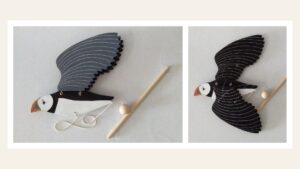
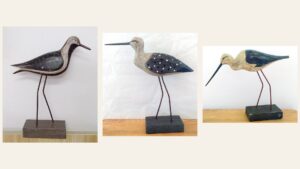
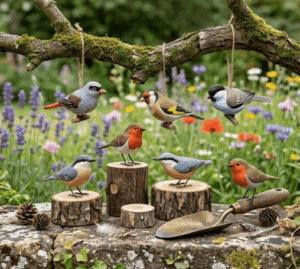
We don’t just make ducks. As a comprehensive [Wooden Bird Factory], we also produce cardinals, owls, and robins.
For reference, see FSC.