Skip to content

Sourcing authentic vintage style decoys is critical for avoiding low sell-through rates. The market is flooded with faux-distressed decor that feels cheap, leaving retailers with stagnant inventory and damaging customer trust. The distinction between controlled, artisanal aging and generic machine damage directly impacts your product’s perceived value and profit margin.
This analysis defines the standards for authentic reproduction. We examine the specific distressing techniques for Premium Basswood and Pinewood, showing how artisanal variance in 100% hand-carved pieces justifies a higher retail price point and secures repeat business from discerning buyers. The rustic waterfowl we keep in stock is listed on the wholesale wooden ducks page.

Key Takeaways
- Distressing is a 3-step physical process: rock impact for scarring, wire brushing to raise the grain, and 1 ice pick for targeted marks.
- Our greys mix 2 pigments, white and dark brown; adding black introduces a blue cast that reads fake on a shelf.
- Only 1 sheen level ships: flat matte, because gloss and satin reflect store light in a way weathered plumage never does.
- Each duck is cut from 1 solid block of premium basswood or Mongolian pine, so the grain runs through every distress mark.
- The paint system answers to 3 compliance regimes: EN71, UKCA and ASTM testing.
- Order thresholds: 100 pieces at MOA USD 500 for a trial, 300 pieces at MOA USD 3,000 for wholesale or custom ageing, 500 pieces for colour-box packing.
In This Guide
The “Farmhouse Chic” Trend
In 2026, Farmhouse Chic blends rustic warmth with modern elegance. It favors authentic, handcrafted wood pieces over faux-distressed items to add genuine character to a space.
Defining the Modern Farmhouse Aesthetic
Modern farmhouse isn’t about recreating a barn interior. It’s a clean, sophisticated style that mixes rustic charm with contemporary design. The focus is on clean lines and maintaining clutter-free, functional spaces, moving away from the overly busy decor of the past.
The color palette is intentionally calm and neutral. It relies heavily on whites, taupes, and soft greys to create a bright and airy atmosphere. This simple backdrop allows the texture and quality of the materials to stand out.
Authentic, natural materials are central to achieving this look. Raw wood, soft cotton, and simple linen add the necessary warmth and texture. These elements ground the design and prevent the neutral palette from feeling cold or sterile.
Hand-Carved Wood: The Soul of Farmhouse Decor
The modern farmhouse trend demands authenticity, which is why handcrafted wooden decor fits so perfectly. Using materials like ethically sourced Premium Basswood and Mongolian Pinewood meets the market’s need for sustainable, natural decor that has a real story.
This is where “Hand-sculpted Authenticity” becomes critical. Unlike mass-produced plastic items, the unique wood grain and slight artisanal variance in each hand-carved piece provide genuine, one-of-a-kind character. Wholesalers can position this as a key selling point against competitors’ generic decor.
The 100% hand-carved and hand-painted process delivers the raw texture and vivid detail that these refined interiors require. It’s the difference between an object that simply fills a space and one that brings it to life with tactile quality and master craftsmanship.

Antique vs. Reproduction
Antique decoys show natural aging like paint cracks and fragile joints. Modern artisanal reproductions offer value through hand-sculpted authenticity, where unique variations mark true craftsmanship.
Identifying a Genuine Antique
When experts evaluate a vintage decoy, they prioritize the carving’s form above all else. The quality of the paint and the overall condition are secondary. A well-sculpted piece with poor paint is still considered superior to a poorly carved decoy in pristine condition.
Authentic aging reveals itself in specific ways. Look for “craqueleur,” the fine web of cracks that forms in old oil paint over many decades. The glue joints connecting the neck to the body on a true antique are also often 50 to 150 years old and structurally fragile—a detail reproductions typically lack.
Authenticity in Modern Craftsmanship
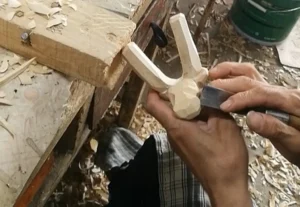
Our products don’t try to fake age. Their authenticity comes from traditional technique. Each wooden duck is 100% hand-carved from premium basswood or Mongolian pine and then meticulously hand-painted. This process ensures no two pieces are ever identical.
We call this principle ‘Artisanal Variance.’ Slight variations in form, posture, and finish aren’t defects; they are the celebrated hallmark of true hand-sculpted work. You get a one-of-a-kind piece, not a generic item from a mold.

Distressing Techniques for Vintage Style Decoys
Distressing uses physical methods like rock scratching and wire brushing to simulate natural wear. This creates ‘Artisanal Variance,’ ensuring each hand-carved duck has a unique character machines can’t replicate.
| Technique | Purpose & Result |
|---|---|
| Physical Impact & Scarring | Uses rocks and controlled impacts to create authentic surface scars and texture that mimics years of use. |
| Grain Raising & Texturing | Employs wire brushes and rotary tools to lift the wood grain, producing a naturally weathered and tactile finish. |
| Targeted Marking | Adds small, specific marks with tools like ice picks to replicate historical wear, ensuring each piece has a unique story. |
Core Methods for Simulating Age
Our artisans use a set of specific, physical techniques to give new carvings an authentic, time-worn appearance. This isn’t random damage; it’s a controlled process. Methods include rock distressing to create realistic surface scarring, using wire brushes to raise the wood grain for a weathered texture, and adding small, targeted marks with tools like ice picks to replicate the wear you’d see on a piece with a long history.
Artisanal Variance: The Hallmark of Handcrafted Quality
These distressing marks are the foundation of what we call ‘Artisanal Variance.’ For a wholesaler or retailer, this is a critical selling point. It guarantees that no two ducks are identical, moving them from a commodity to a unique, one-of-a-kind item. This is ‘Hand-sculpted Authenticity’—a tangible quality that machines cannot reproduce. We position these subtle, handcrafted marks as a sign of ‘Master Craftsmanship,’ not as production defects. It’s a key differentiator in a crowded market.

Color Palettes: Grey and White
Grey and white palettes are essential for authentic rustic decoys. The key is using matte finishes and mixing white with brown—not black—to achieve natural, non-reflective tones.
Techniques for an Authentic Rustic Finish
Getting the grey and white tones right is non-negotiable for a convincing vintage look. It isn’t just about slapping on paint; it’s about mimicking how light and color work on actual waterfowl plumage.
- Natural Grey Tones: We create our greys by mixing white paint with dark brown. Using black results in an artificial blue cast that looks completely wrong, so we never use it. This method produces the subtle, earthy greys found in nature.
- Flat Matte Finishes: Glossy or even satin finishes reflect UV light, creating an unnatural glare. We only use flat matte finishes to give the decoys a realistic, non-reflective surface that holds up visually.
- Species-Specific Patterns: Color placement is as critical as the color itself. White and grey are applied to specific zones like the chest, belly, and flanks to create accurate contrast and match the markings of real duck species.
Our Commitment to Safe, Eco-Friendly Paints
The final finish has to look authentic, but it must also be safe for everyone involved. All our wooden ducks are finished with non-toxic, water-based paint covered by our EN71 non-toxic paint guide. Our paints fully comply with major international safety standards, including:
- European toy safety standard EN71
- The UKCA (UK Conformity Assessed) mark
- American product testing requirements set by ASTM International

Mixing Decoys with Modern Decor
Handcrafted wooden ducks add texture and personality to modern decor. Their natural materials break up sleek lines, creating a unique focal point and a more balanced, inviting space.
Creating Contrast with Natural Textures
Modern design often relies on clean lines and smooth surfaces. Placing a hand-carved wooden duck in these environments creates an effective organic accent. The natural grain of Premium Basswood or Mongolian Pinewood introduces a layer of warmth and texture, preventing the space from feeling too cold or sterile. It’s a simple way to add character without clutter.
Hand-Sculpted Authenticity as a Focal Point
In a world of mass-produced decor, a genuinely handcrafted item stands out. Each wooden duck has what we call ‘Artisanal Variance’—subtle, unique differences that come out of the carving and painting process. This ‘Hand-sculpted Authenticity’ ensures every piece is one-of-a-kind. It provides a story and a human touch that machine-made items simply can’t replicate, turning a simple decoration into a conversation starter.

Maintenance
Maintaining your wooden duck is simple. Dust it regularly with a soft, dry cloth and keep it away from direct sunlight or high humidity to preserve its finish.
Routine Cleaning and Preservation
Proper care protects the artisanal beauty and structural integrity of these hand-carved pieces. The goal is to prevent buildup and material stress.
- Dust regularly with a soft, dry microfiber cloth. This prevents any surface buildup that could dull the paint.
- Avoid placing items in direct sunlight. Sustained exposure can cause the paint to fade over time.
- Keep the wooden ducks in a stable, dry environment. This prevents the Premium Basswood or Mongolian Pinewood from warping due to moisture changes.
Caring for the Water-Based Finish
Our ducks are coated with a non-toxic, eco-friendly water-based paint. This finish complies with EN71 toy safety standards, making it exceptionally durable and safe. Because of this protective layer, cleaning is straightforward. A dry cloth is sufficient to protect the hand-painted details. Do not use chemical sprays, furniture polishes, or any abrasive materials, as they will damage the surface.
Final Thoughts
Mass-produced decor promises a low cost and delivers no uniqueness, which erodes margin the moment two shops shelve the same item. Hand-sculpted authenticity in premium basswood is what keeps a rustic line out of the commodity bin: this is how you stock character rather than another commodity.
Artisanal variance cannot be judged from a spec sheet, so start with a 100-piece trial order and handle the work. Talk to our team about private label or custom sourcing needs.
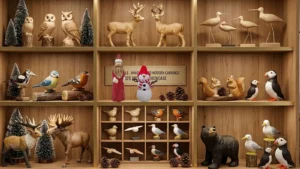
We do not only make ducks: as a wooden bird factory we also carve cardinals, owls and robins.
The full catalogue, current finishes and order thresholds sit on the Ewoodarts site.
Source Hand-Distressed Wooden Decoys from the Carving Workshop
Carved from solid basswood or Mongolian pine, aged by hand to the level you specify, and finished with non-toxic water-based paint tested to EN71, UKCA and ASTM requirements. Trial orders start at 100 pieces.
Frequently Asked Questions
How can you tell if a duck decoy is a genuine antique?
Form comes first: experts judge the carving before the paint. Then look for craquelure, the fine crack web that forms in old oil paint over decades, and for glue joints between neck and body that have aged with the piece. Reproductions rarely show either.
How do you keep paint from flaking off a distressed decoy?
Apply several light matte coats rather than 1 heavy one, and let each coat cure before handling. A matte clear top coat over the colour gives a barrier against scratches without adding the shine that breaks a rustic finish.
Is a distressed finish popular for vintage-style decoys?
For retail decor, yes: controlled ageing is what separates a rustic piece from a generic one. Collectors of genuine antiques still prefer original, well-preserved paint, which is why reproduction ageing is specified level by level.
Can I specify how heavily a new decoy is aged?
Yes. We work to 3 agreed levels, light, field-worn and heavily weathered, fixed on 1 master sample before the run. Once the master is approved, the same technique set is applied to the whole order.
What are the order minimums for rustic-finish decoys?
A trial order is 100 pieces at MOA USD 500. Wholesale and custom ageing start at 300 pieces with MOA USD 3,000, and colour-box gift packing begins at 500 pieces.