Skip to content
When retail buyers evaluate wholesale wooden pens for their catalogues, choosing between fountain vs ballpoint wooden pens directly shapes margins,, customer demographics, and reorder frequency. Both product lines share the same hand-carved basswood body, yet they serve different end-user segments and price points. This guide breaks down regional demand patterns, unit economics, and quality specifications so that importers can build a balanced pen assortment that turns across multiple customer profiles.
How Fountain and Ballpoint Wooden Pens Differ in Construction
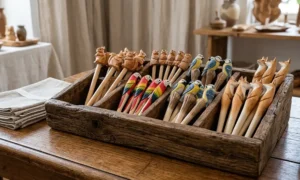
A hand-carved wooden fountain pen requires a brass dip nib or a standard international converter mechanism, a feed channel milled to within 0.3 mm tolerance, and a sealed ink reservoir that prevents basswood from absorbing moisture. The result is a writing instrument that feels substantial in the hand, carries visible wood grain, and appeals to customers who value craft over convenience.
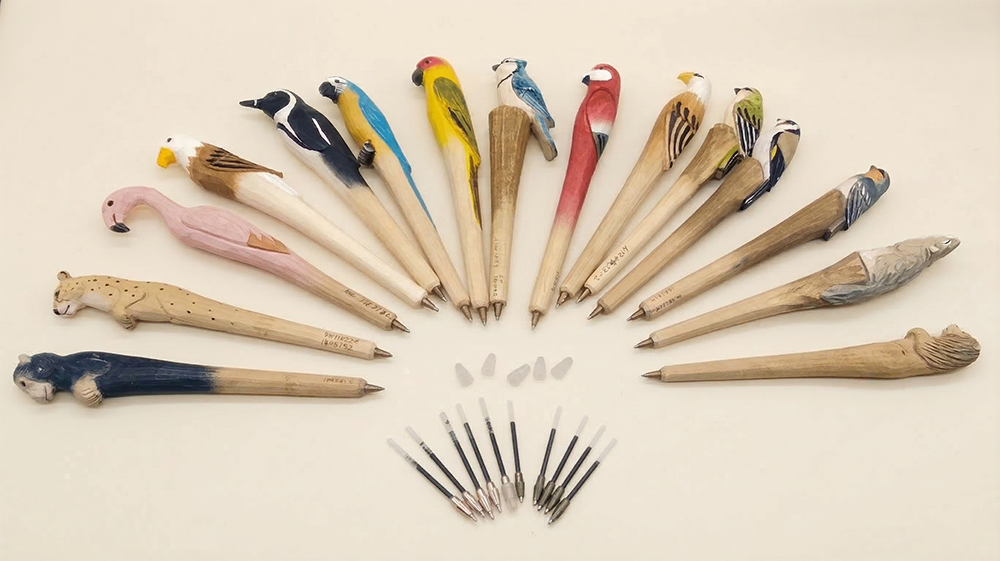
A wooden ballpoint pen, by contrast, uses a universal refill cartridge, requires no ink-channel milling, and can accept a wider range of body shapes including tapered, faceted, and ergonomic contours. Production throughput is roughly 40 percent higher per artisan, which translates into a lower unit cost and a retail price point that sits comfortably in the impulse-buy range.
The construction difference matters for buyers because it affects three things: minimum order quantity thresholds, per-unit landed cost, and the defect rate you should expect from each product line. According to ISO 12757-2, fountain pen nibs must meet specific writing performance criteria, while ballpoint refills fall under the broader ISO 12757-1 umbrella with less stringent tolerances.
Regional Demand: Where Each Type Sells Best
Understanding which region favors which pen type prevents overstocking the wrong product. Based on wholesale order patterns observed across B2B gift and stationery channels:
Europe remains the strongest market for wooden fountain pens, particularly in Germany, France, and the Netherlands where calligraphy culture and gift-giving traditions sustain premium demand. European boutique stationers typically stock fountain pens at EUR 18 to 35 retail, with wooden bodies adding artisan appeal that justifies the upper range.
North America leans heavily toward ballpoint pens in the wholesale channel. The US gift market prioritizes practicality and price accessibility, making the wooden ballpoint pen an ideal corporate gift, wedding favor, and museum shop item. Retail pricing clusters at USD 12 to 22, with volume orders of 500 to 2,000 units common for promotional programmes.
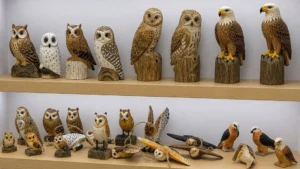
East Asia presents a split opportunity. Japan and South Korea show growing demand for wooden fountain pens in the premium gift segment, while Southeast Asian markets respond better to ballpoint pens at accessible price points. The hand-carved animal figurine segment often cross-sells with pens in this region, as buyers build complete wooden gift collections.
Middle East and Africa favor ballpoint pens for volume programmes, with fountain pens reserved for luxury retail. Saudi Arabia and the UAE show consistent demand for engraved wooden pen sets as corporate and diplomatic gifts.
Unit Economics: Landed Cost, MOQ, and Margin Comparison
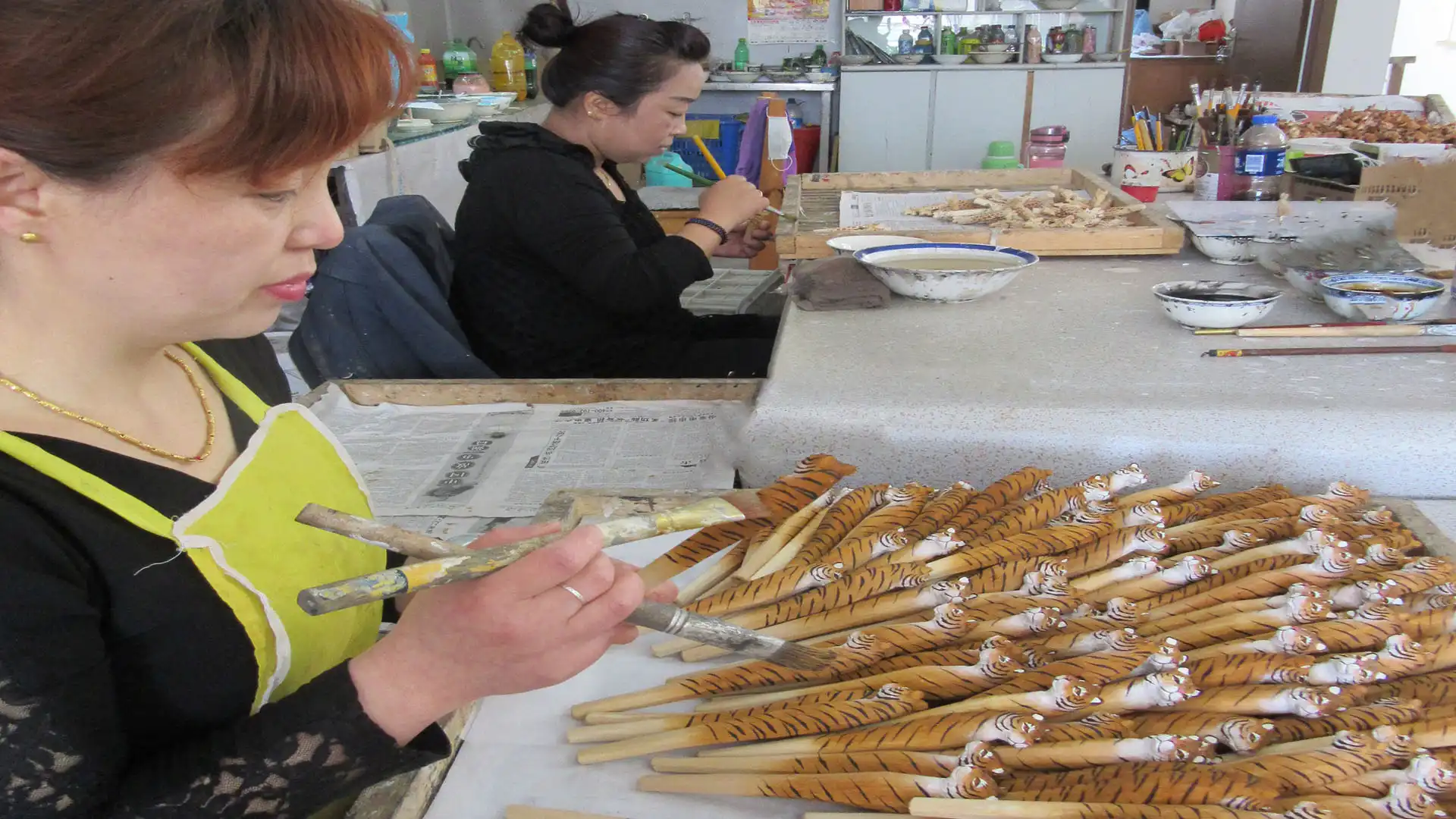
Here is a simplified comparison of what wholesale buyers typically encounter when sourcing both pen types from a Chinese factory with hand-carving capability:
| Metric | Wooden Fountain Pen | Wooden Ballpoint Pen |
|---|---|---|
| FOB Unit Cost | USD 2.80 to 4.50 | USD 1.20 to 2.40 |
| MOQ (standard) | 300 pcs | 500 pcs |
| MOQ (custom finish) | 500 pcs | 1,000 pcs |
| Typical Retail Price | USD 18 to 35 | USD 12 to 22 |
| Gross Margin Range | 55 to 75 percent | 50 to 70 percent |
| Defect Rate Target | AQL 2.5 | AQL 4.0 |
| Lead Time (2,000 pcs) | 25 to 30 days | 18 to 22 days |
These figures assume standard basswood construction with natural or stained finishes. Exotic wood species such as walnut or cherry add 30 to 50 percent to the FOB cost but can command double the retail price in premium markets. For a detailed breakdown of how wood species affect pricing across the full carved product range, see the wholesale wooden crafts sourcing guide.
The higher per-unit margin on fountain pens comes with a trade-off: slower inventory turnover in markets that lack a writing-culture tradition. Smart buyers stock ballpoint pens as the volume driver and fountain pens as the margin anchor, adjusting the ratio based on their specific retail channel.
Quality Specifications Buyers Should Require
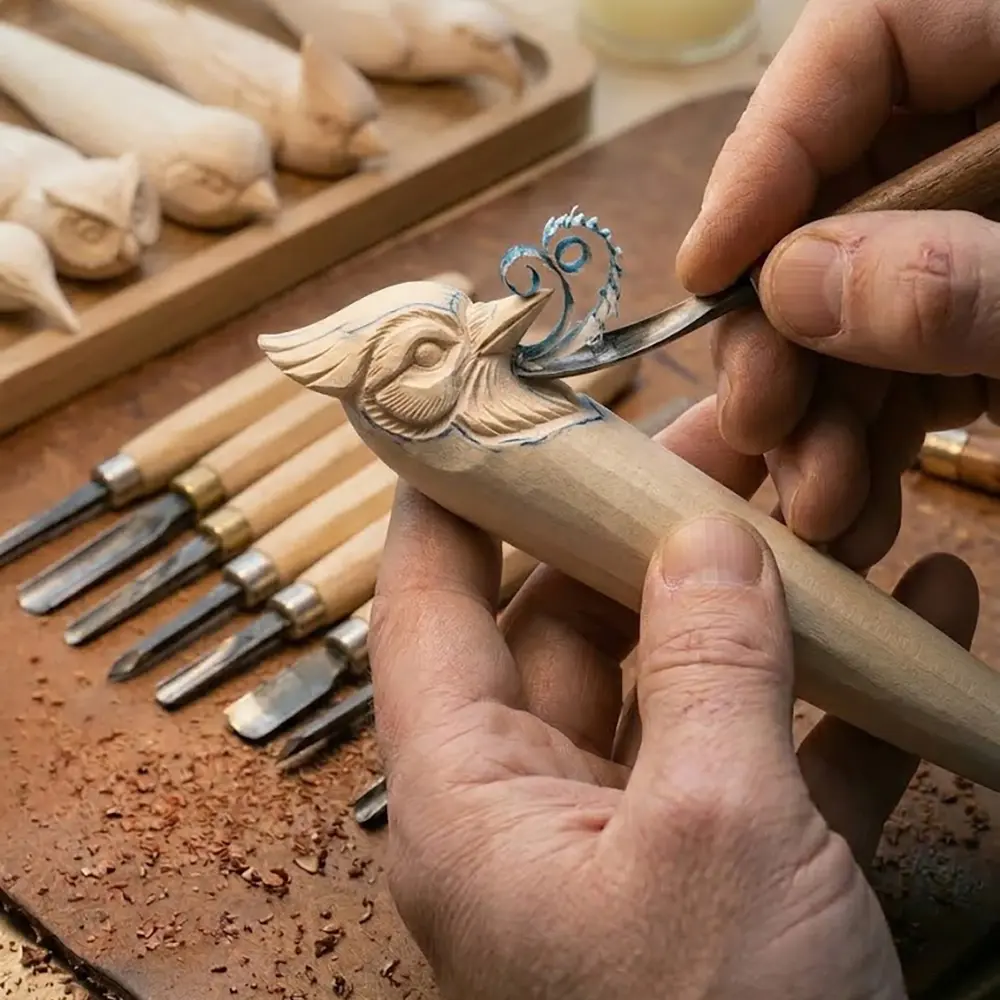
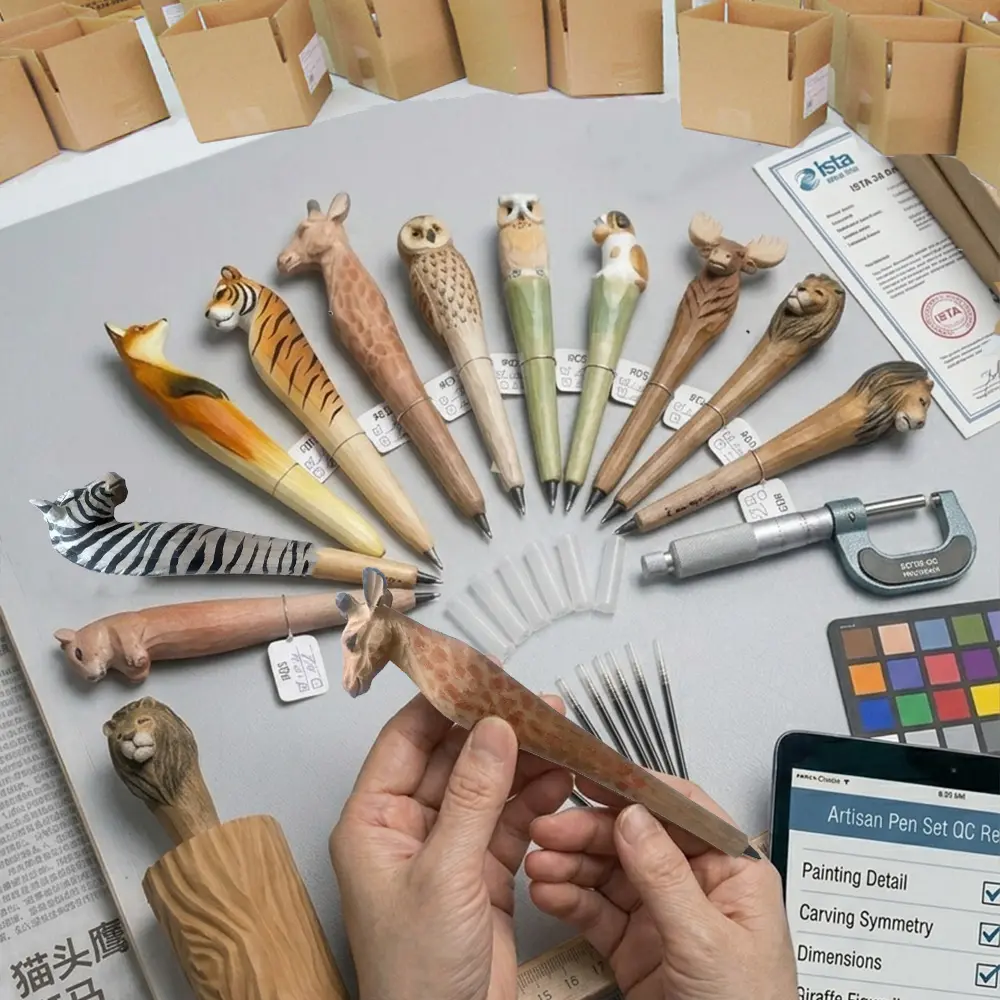
Whether you are ordering fountain pens or ballpoints, the wooden body must meet the same baseline quality criteria. Request these from your supplier before placing a production order:
Moisture content: Basswood must be kiln-dried to 8 to 12 percent moisture before carving. Higher moisture leads to warping, finish adhesion failure, and mold risk during ocean transit. Ask for a moisture test report with each production batch.
Finish durability: Natural lacquer or beeswax finishes should pass a 500-cycle rub test without visible wear. For painted pens, verify that the paint system meets EN71-3 (toy safety standard for surface coatings), which is increasingly required even for adult gift items entering the EU.
Mechanism reliability: Fountain pen nibs should write continuously for at least 200 meters without skipping. Ballpoint refills should meet the ISO 12757-1 writing length standard of at least 1,500 meters. Request sample pens with a test-writing card from each production run.
Packaging integrity: Pens are prone to nib damage and finish scratching during transit. Each pen should be individually sleeved in acid-free tissue, nested in a fitted cardboard or wood-veneer box, and packed in master cartons with dividers that prevent contact between units. For a complete export packaging strategy across all wooden product lines, review the OEM manufacturing specifications.
Gift Set Strategy: Combining Both Types for Higher AOV
The highest-margin SKU in the wooden pen category is not a single pen but a gift set that pairs one fountain pen with one ballpoint pen in a branded presentation box. This approach solves three problems simultaneously:
First, it elevates the perceived value. A gift box containing two distinct pen types feels more considered than a single pen, and the recipient perceives a higher price as appropriate. Second, it broadens the end-user appeal. Even if the recipient prefers ballpoints for daily use, the fountain pen adds a luxury dimension that justifies the gift purchase. Third, it increases average order value by 40 to 60 percent compared to selling pens individually.
For wholesale hand-carved wooden pens, the gift set format also differentiates from mass-produced alternatives. The visible hand-carving marks, the natural wood grain variation between the two pens, and the artisan presentation box all signal authenticity that machine-made pen sets cannot replicate.
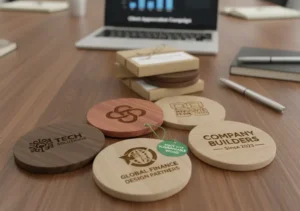
Buyers targeting corporate gifting programmes should consider adding a wooden decorative accent to the set, creating a complete desk accessory collection that strengthens brand recall for the end recipient.

Making the Right Assortment Decision
The choice between fountain and ballpoint wooden pens is not binary. The most successful wholesale assortments carry both types in a ratio that reflects the target market’s writing culture, price sensitivity, and gift-giving occasions. European and East Asian premium channels should skew toward fountain pens at a 60:40 ratio. North American and volume-driven channels should reverse that to 30:70 in favor of ballpoints.
Regardless of the ratio, insist on the quality specifications outlined above, verify them with pre-production samples, and build the assortment around gift sets as the hero SKU. This approach maximizes margin per unit while maintaining the breadth that retail buyers need to serve diverse customer profiles.
Frequently Asked Questions
What is the typical MOQ for wholesale wooden fountain pens?
Standard MOQ is 300 pieces for natural finish and 500 pieces for custom stained or painted finishes. Ballpoint pens typically require 500 to 1,000 pieces depending on the customization level.
Which region has the highest demand for wooden fountain pens?
Europe, particularly Germany, France, and the Netherlands, shows the strongest wholesale demand for wooden fountain pens due to established calligraphy culture and premium gift-giving traditions.
Can wooden pens be customized with a company logo?
Yes. Both fountain and ballpoint wooden pens accept laser engraving, pad printing, and branded gift box customization. Laser engraving is the most durable option and works well on natural basswood surfaces.
What quality certifications should I request from the supplier?
Request EN71-3 compliance for paint finishes entering the EU market, official logging permits for wood sourcing documentation, and a moisture content test report showing 8 to 12 percent kiln-dried levels for each production batch.
How do I reduce damage rates during shipping?
Each pen should be individually sleeved in acid-free tissue and nested in a fitted insert within the gift box. Master cartons must use dividers to prevent unit-to-unit contact. Target AQL 2.5 for fountain pens and AQL 4.0 for ballpoints during pre-shipment inspection.
Source Hand-Carved Wooden Pens Direct from the Factory
Explore our complete range of wholesale wooden fountain pens and ballpoint pens, available in natural basswood, custom stains, and branded gift sets. MOQ from 300 pieces with full OEM support.
Browse Wooden Pen Collection →