Skip to content
Key Takeaways
- Stock 5–10 cm figurines for impulse and checkout lanes; reserve 25–40 cm pieces as margin anchors.
- Match size to channel: gift shops turn small, while decor stores and designers buy large statement pieces.
- Check EN71 small-parts rules for anything under 12 cm sold toward children before you commit volume.
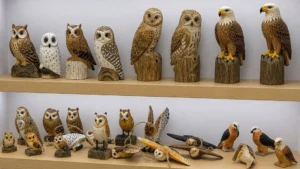
Size is the most under-thought decision in buying hand carved animal figurines for retail. The same owl that sells briskly at 8 cm as a checkout add-on can stall at 30 cm, and a 40 cm statement eagle that anchors a decor display would never move in a souvenir rack. This guide explains what each size band is for, which channels buy which bands, and how to build a size ladder that maximizes both turnover and margin.
The underlying logic is that size determines use, and use determines buyer. Small pieces are handled, gifted, and collected; large pieces are displayed, styled, and photographed. When you map your assortment to the way each channel actually uses the product, you stop guessing and start ordering with intent.
The Four Size Bands and What They Are For
Think in four bands. 5–10 cm is the impulse and favor band: pocket-priced, high-turn, ideal for checkout counters, party favors, and souvenir racks. 10–18 cm is the core gift band: substantial enough to feel like a present, small enough to fit a shelf; this is where most gift-shop volume lives. 18–25 cm is the decor accent band: a visible presence on a console or bookcase. 25–40 cm is the statement band: low volume, high margin, bought by home-decor stores, stylists, and hospitality projects as focal pieces.
Mapping Sizes to Channels
Gift and tourist shops should skew to the first two bands, where turnover is fast and the price point is an easy yes. Home-decor and furniture-adjacent retailers should carry the accent and statement bands, where a single large piece lifts the perceived value of the whole display. Museum and zoo shops often blend: small favors for kids, mid-size for the core gift, and one or two statement pieces near the register to set the tone. Ask your supplier for the same design across multiple sizes so a channel can offer a graduated family — a strategy that encourages collecting and trade-up purchases.
Safety & Sizing: The Small-Parts Question
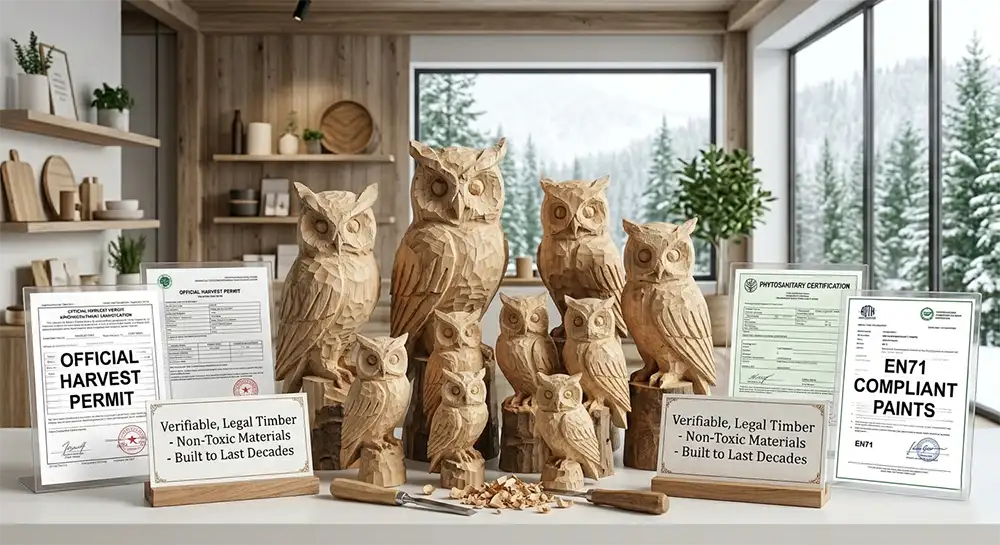
Size is also a safety attribute. Figurines marketed toward children must meet small-parts and choking-hazard rules; in the EU the EN71 toy-safety framework governs items intended for play, and similar rules apply in the US. As a rule of thumb, treat anything under roughly 12 cm that could be positioned to children as a regulated product and request the relevant test reports. Larger decor pieces are generally sold as home decor and follow general product-safety rules instead. Getting this classification right at the ordering stage avoids costly relabeling later.
Shelf Space, Freight & the Size Ladder
Finally, size drives logistics. Small bands pack dense and ship cheap, subsidizing the freight on large bands, which cube out a carton quickly. Build a mixed size ladder — for example 60% small, 30% mid, 10% statement — and adjust by channel. Plan shelf spacing so each band gets a proportionate footprint, and source the full ladder from a direct partner so colour and carving style stay consistent across sizes. A coherent graduated family, verified on a factory visit and folded into your broader wholesale wooden crafts plan, is the difference between a scattered shelf and a sellable collection.
Assortment Planning by Store Format
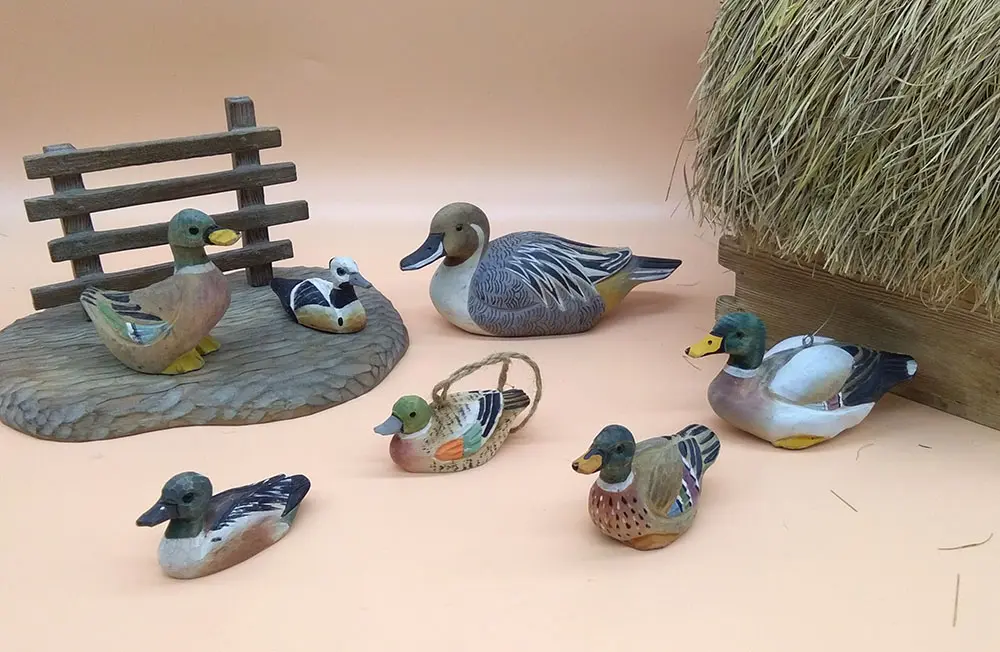
The right size mix depends on the physical store. A compact tourist kiosk has no room for statement pieces and should concentrate on the impulse and core gift bands, using vertical displays to show many small figurines densely. A home-decor boutique with roomy vignettes should invert that, using one or two large pieces to stop traffic and surrounding them with mid-size accents that customers can actually buy. Museum and zoo shops do well with a graduated family of one flagship animal, letting visitors choose their size and price.
Plan the shelf physically: small pieces need secure, high-density fixtures near the register; large pieces need floor or plinth space with lighting. Ordering without a fixture plan leads to the classic error — a beautiful 40 cm eagle sitting unlit on a top shelf where nobody can see it.
Display, Care & Longevity
Hand-carved figurines sell on texture, so display them where customers can see the tool marks and grain. Dust is the enemy of perceived quality; provide venues with a simple care note (dry cloth, no soaking) and, for painted pieces, a reminder that direct sunlight fades colour over years. Pieces that are easy to keep clean stay on display longer and sell longer.
Longevity is also a selling argument: solid wood figurines do not warp or chip like resin when treated well, so position them as heirlooms. That framing supports the premium bands and gives your staff a confident answer to “why is this more than the plastic one?” Source the full ladder from one production source so finish and style stay consistent, and confirm carving quality and safety documentation before committing to volume.
The Collector Mindset: Driving Repeat Purchases
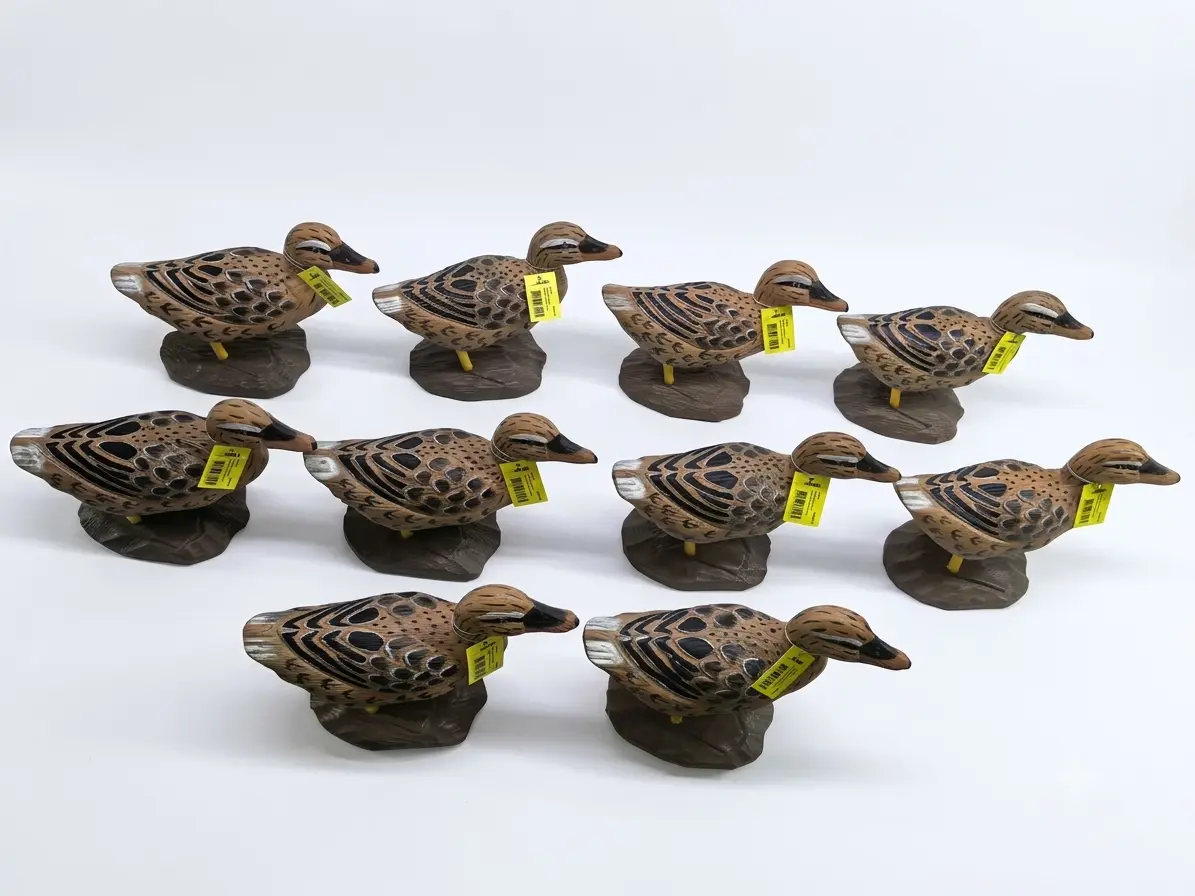
Small figurines are frequently collected, and designing for that behaviour lifts lifetime value. Release animals in themed families — forest, farm, ocean — and keep the carving style and finish consistent so pieces visibly belong together. A customer who buys one owl is likely to buy the whole stand if the next size and the next species look like part of the same world. Graduated sizes amplify this: collectors often choose one animal per size, or one size across animals.
Support collecting at the shelf with a simple display card showing the family and the size ladder, so the customer sees what they do not yet have. Limited seasonal accents (a spring chick, a winter owl) create gentle urgency without resorting to discounting. The goal is a range that sells the second and third piece as naturally as the first.
Track which families and sizes re-purchase together and feed that back into ordering. Over a few seasons you will learn, for example, that forest animals in the 10–18 cm band drive most collecting behaviour in gift shops, while statement pieces anchor decor stores. That data lets you allocate capacity where it compounds, and it is exactly the conversation to have with your manufacturing partner when planning the next carving run.
Size decisions also shape your photography and e-commerce. Show every size against a common reference — a hand, a coin, or a ruler — because “18 cm” means little to a shopper until they see it held. Consistent scale photography across the range reduces returns and builds confidence to buy the larger, higher-margin pieces online. Pair each size band with a one-line use suggestion (“fits a checkout bowl,” “anchors a bookshelf”) so the customer self-selects the right scale without asking.
Over time, the size ladder becomes a strategic asset. Because the same carving scales across bands, a design that proves itself at 10 cm can be extended to 30 cm with minimal new development, letting you test demand cheaply and expand only where the data supports it. That capital-efficient approach to range building is one of the quiet advantages of working with a single hand-carving partner across the full 5–40 cm span.
Begin with a narrow ladder — two or three designs across three size bands — and let sell-through data tell you where to widen. A range built this way stays coherent on the shelf, efficient in freight, and easy for customers to understand. Over a couple of seasons the size ladder becomes one of your most predictable and profitable planning tools.
Applied consistently, this size discipline turns a scattered assortment into a coherent, collectible range that sells across every channel you serve.
Frequently Asked Questions
Which size band sells best in gift shops?
The 10–18 cm core gift band, supported by 5–10 cm impulse pieces at the checkout. These turn fast and sit at an easy gift price point.
Who buys the large 25–40 cm figurines?
Home-decor stores, interior stylists, and hospitality projects that need statement focal pieces. Volume is low but margin and perceived value are high.
Do small figurines need toy-safety testing?
If they are marketed toward children, yes. Pieces under roughly 12 cm positioned to kids fall under small-parts rules such as EN71 in the EU; request test reports before ordering.
Should I offer the same design in multiple sizes?
Yes. A graduated family of one design encourages collecting and trade-up purchases, and keeps carving style and finish consistent across your shelf.
How does size affect freight cost?
Small bands pack dense and ship cheap, subsidizing large bands that cube out cartons quickly. A mixed size ladder balances turnover and freight efficiency.
Build a Graduated Hand-Carved Animal Range
Source the same designs from 5 cm to 40 cm with consistent carving and finish, channel-matched assortments, and full safety documentation for the kids’ bands.
Explore the Carving Factory →