Skip to content
Key Takeaways
- Stock 3-5 city-specific landmark designs per destination; tourists buy what they can recognise.
- Offer laser engraving as a flat-fee add-on; personalised souvenirs command a 40-60% premium.
- Design for the suitcase: compact, durable, and under 10cm; fragile or bulky souvenirs get left behind.
The souvenir ornament is one of the most reliable impulse purchases in retail. A tourist who visits a city wants a small, affordable, recognisable reminder of the place, and souvenir wooden ornaments custom designs that capture a landmark, a skyline, or a local symbol sell themselves. This guide explains how to build a souvenir ornament programme for tourist shops, museum stores, and destination retail.
The souvenir category is driven by recognition, not by novelty. The tourist who sees a carved version of the landmark they just visited feels an instant connection, and that connection is the purchase trigger. The buyer who stocks the right landmarks for the right destination will see strong sell-through; the buyer who stocks generic designs will see the rack sit empty.
Design Selection: What Tourists Actually Buy
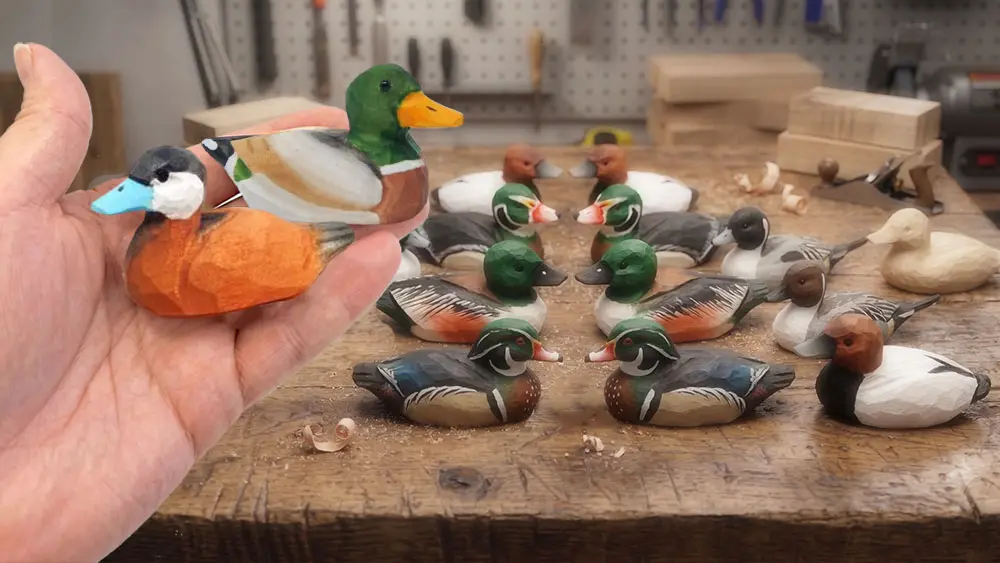
The best souvenir designs are instantly recognisable at a glance. A skyline silhouette, a famous bridge, a local animal, or a city symbol works because the tourist can identify it without reading a label. The buyer should stock 3-5 designs per destination, covering the most iconic landmarks and one or two local symbols that differentiate the destination from generic tourist merchandise. The designs should be compact, under 10 cm, and flat enough to pack in a suitcase without damage. The wooden ornaments wholesale supplier should be able to produce custom city-specific designs with a low MOQ, because the tourist shop buyer cannot commit to large quantities of a single design.
Personalisation: The Margin Multiplier
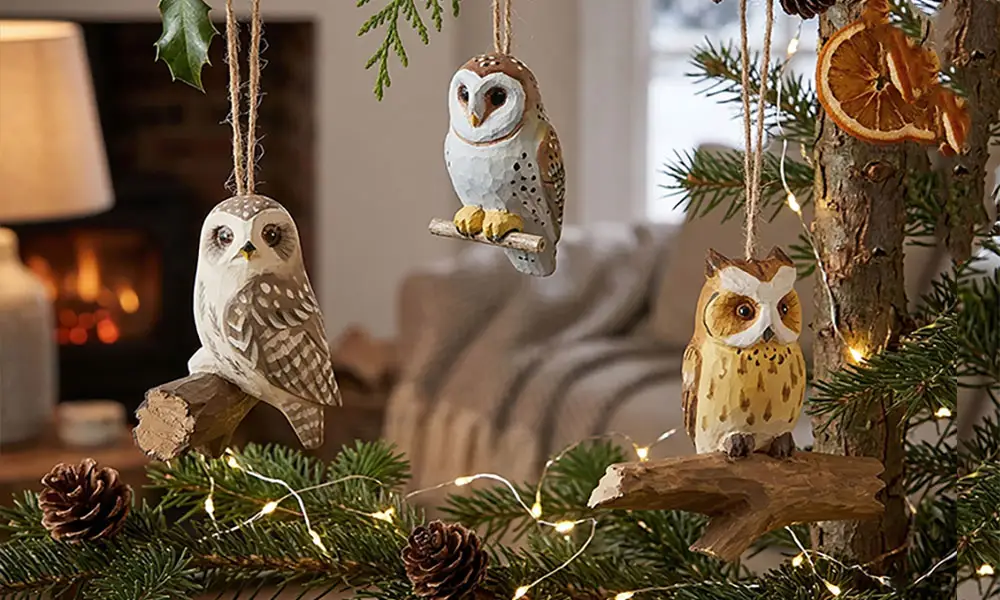
A souvenir ornament with a name and a date engraved on the back is no longer a souvenir; it is a keepsake. The personalisation premium is significant: a blank ornament that sells at one price sells at a 40-60% higher price with a name and date engraved. The tourist shop should offer laser engraving as a flat-fee add-on, with a selection of fonts and a simple order process. The engraving can be done on-site with a small laser unit, or the shop can take the order and fulfil it from the supplier. Either model works, but the key is that the personalisation is visible on the shelf: a sample ornament with a name engraved should be displayed beside the blank stock so the customer sees the option immediately.
Designing for the Suitcase: Size, Weight & Durability
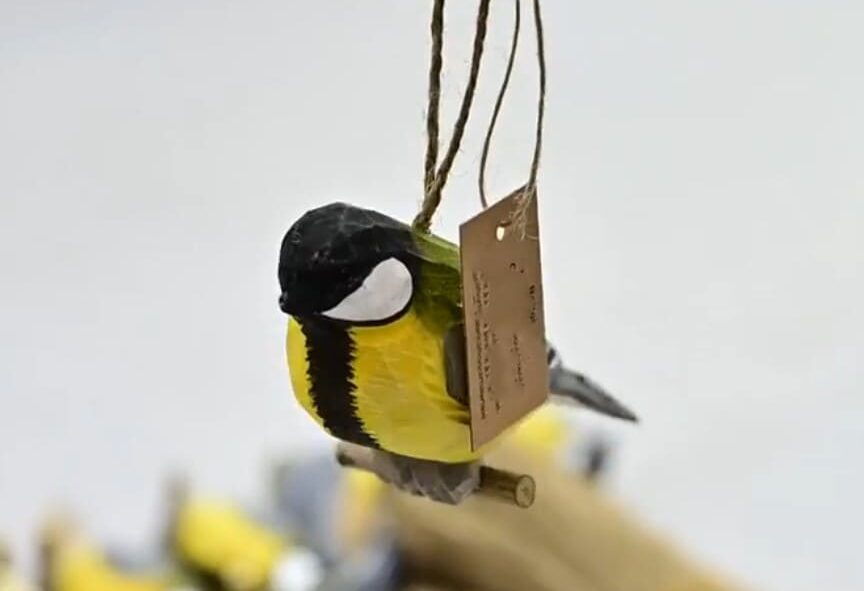
The souvenir that survives the trip home is the souvenir that gets bought. A fragile ornament with thin protruding parts will break in a suitcase, and the customer who experiences that once will not buy again. Wooden ornaments are inherently more durable than ceramic or glass, but the design still matters: avoid thin wings, delicate antlers, or protruding features that can snap. The ornament should be compact enough to pack without taking excessive space, and light enough that the customer does not hesitate to buy multiple pieces. The CPSC and EN71 safety standards apply if the ornament is marketed to children, so the supplier should provide test reports for the paint and finish used.
Merchandising the Souvenir Wall
The souvenir wall should be organised by destination, not by product type. A tourist looking for a New York souvenir wants to see all the New York options in one place, not scattered across a wall of mixed designs. Use shelf dividers or signage to create a destination-based layout, and place the most iconic designs at eye level. The personalisation option should be advertised on a shelf talker at each destination section. For online retail, the product page should lead with the destination and the landmark name, because the tourist searches for the place, not the product. The souvenir programme should be sourced from a single wholesale wooden crafts supplier who can produce custom designs at low MOQs, and the supplier relationship should be verified on a factory tour before committing to a multi-destination programme.
Destination Research: What Tourists Search For
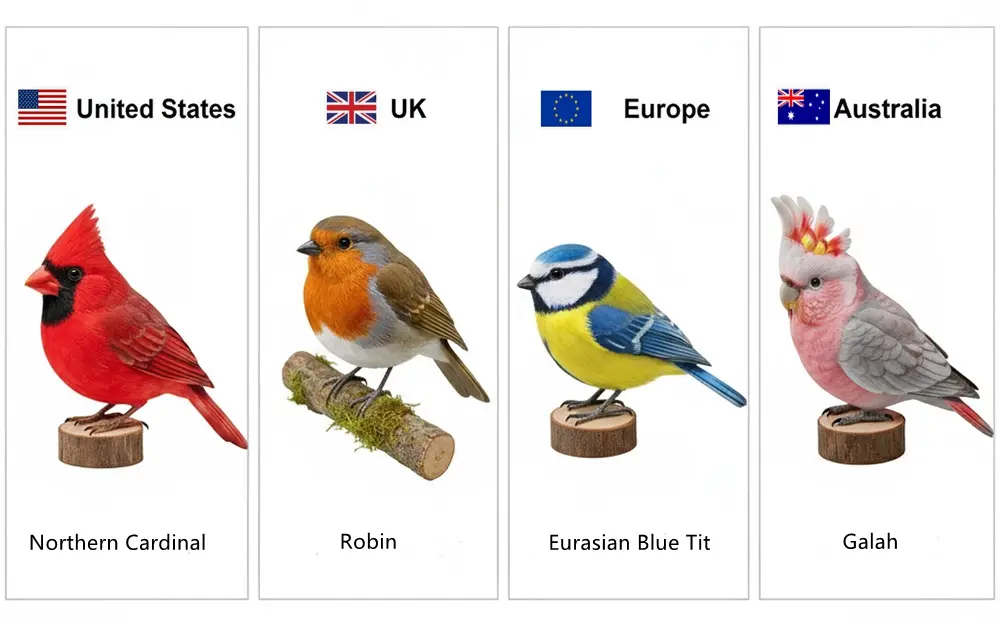
The souvenir ornament programme should start with destination research, not with product design. The buyer should identify the three to five most searched landmarks for each destination, because those are the designs that will sell. A city with five major landmarks needs five designs; a city with two needs two. The research should also cover the local symbols that differentiate the destination from generic tourist merchandise: a regional animal, a local flower, a traditional craft motif. These symbols create the connection between the product and the place that drives the impulse purchase.
The destination research should also include the competitive landscape. What souvenir designs are already on the market? What is the price range? Where are the gaps? A destination that already has fifty skyline designs does not need a fifty-first, but it may need a skyline design with a personalisation option, or a skyline design in a different size, or a skyline design with a local animal integrated into the composition. The differentiation is what makes the product stand out on a crowded souvenir wall, and the differentiation comes from the research, not from the design studio.
The research should be updated annually, because destinations change. A new landmark opens, a local symbol gains prominence, a seasonal event becomes a new reason to visit. The buyer who refreshes the destination research each year will have a souvenir programme that stays current, and the tourist who sees a design that reflects the destination as it is today, not as it was five years ago, is the tourist who buys.
Packaging for the Souvenir: Suitcase-Ready & Gift-Ready
The souvenir ornament packaging must solve two problems simultaneously: it must protect the ornament during the trip home, and it must present the ornament as a gift. A flat, compact box that fits in a suitcase and shows the design on the lid solves both problems. The box should be rigid enough to prevent crushing, with an interior insert that holds the ornament securely. The lid should show the design and the destination name, because the customer who is buying a gift for someone else wants the packaging to communicate the origin without opening the box. The wholesale wooden crafts supplier should provide the packaging as part of the product, not as a separate line item, because the packaging is part of the product experience.
For the personalisation tier, the packaging should include a space for the name and date, or a small card that can be personalised. The personalised ornament in a branded box with a name on the card is a complete gift solution, and the customer who buys it does not need to wrap it or add a card. The gift-ready packaging is the personalisation premium made tangible, and it is the reason the personalised tier commands a 40-60% premium over the blank ornament.
The packaging also carries the ESG story. A kraft box with a printed destination name, a species declaration, and a recycling symbol communicates responsibility without a word of marketing. The tourist who reads the species name on the box and knows the ornament was carved from a sustainably harvested tree is the tourist who feels good about the purchase, and the purchase that feels good is the purchase that gets recommended.
The souvenir ornament programme is a destination-driven business that rewards the buyer who researches the market, designs for recognition, and packages for the suitcase. The tourist who sees a carved landmark they recognise, in a box that fits in their bag, with a name engraved on the back, is the tourist who buys without hesitation. The retailer who builds that experience will see the souvenir category outperform every other impulse purchase on the floor. The programme is a system, and the system starts with the destination and ends with the suitcase.

Frequently Asked Questions
How many designs should I stock per destination?
3-5 designs covering the most iconic landmarks and one or two local symbols. Too few looks thin; too many dilutes the selection and increases inventory risk.
Should I offer personalisation on souvenirs?
Yes. Laser engraving a name and date lifts the price by 40-60% and transforms a souvenir into a keepsake. Display a personalised sample beside the blank stock.
What size should souvenir ornaments be?
Under 10 cm, compact and flat enough to pack in a suitcase without damage. Avoid thin protruding parts that can snap during travel.
How should I organise the souvenir wall?
By destination, not by product type. A tourist looking for a New York souvenir wants all the New York options in one place.
Can I get custom city designs at low MOQs?
Yes. A flexible supplier can produce custom city-specific designs with a low MOQ, because the tourist shop buyer cannot commit to large quantities of a single design.
Build a Custom Souvenir Ornament Programme
Source hand-carved wooden ornaments with city-specific designs, personalisation options, and suitcase-friendly sizing for tourist shops and museum stores.
Browse Wooden Ornaments →