Skip to content
Key Takeaways
- Start OEM ornament development in spring for a Q4 shelf launch; the design-to-container cycle takes months.
- Freeze the design and approve a golden sample before production tooling begins, not after the first run.
- Lock freight and packaging decisions in Q3, because peak-season surcharges erode the margin on late orders.
A custom Christmas ornament does not start in a factory; it starts on a calendar. Custom christmas ornaments OEM development is a sequenced process of design, sampling, tooling, production, and freight, and every week of delay in the early stages compounds into a late shipment at the peak. This guide walks importers through the full timeline from concept to container so the ornament wall opens on time and at planned cost.
The discipline is simple: fix the shelf date first, then walk backwards through every stage. A retailer who wants stock on shelf by early November needs to have the design approved by late spring, the golden sample signed by early summer, and production wrapping by late summer. The timeline is not elastic; autumn is too late to start, and winter is too late to arrive.
Design & Sampling: Spring to Early Summer
The design phase consumes more time than most buyers expect. A custom ornament needs a design brief, a reference sketch, a material and finish specification, and one or two rounds of sampling before the design is frozen. Allow four to six weeks for this phase, and budget for at least one sample round. The golden sample should be cut from production-grade material and painted by the same painter line that will produce the order, because a sample painted by a senior artisan will not match the production run. Approve the golden sample in writing, photograph it, and lock the design file with the same revision number.

Production: Late Summer to Early Autumn
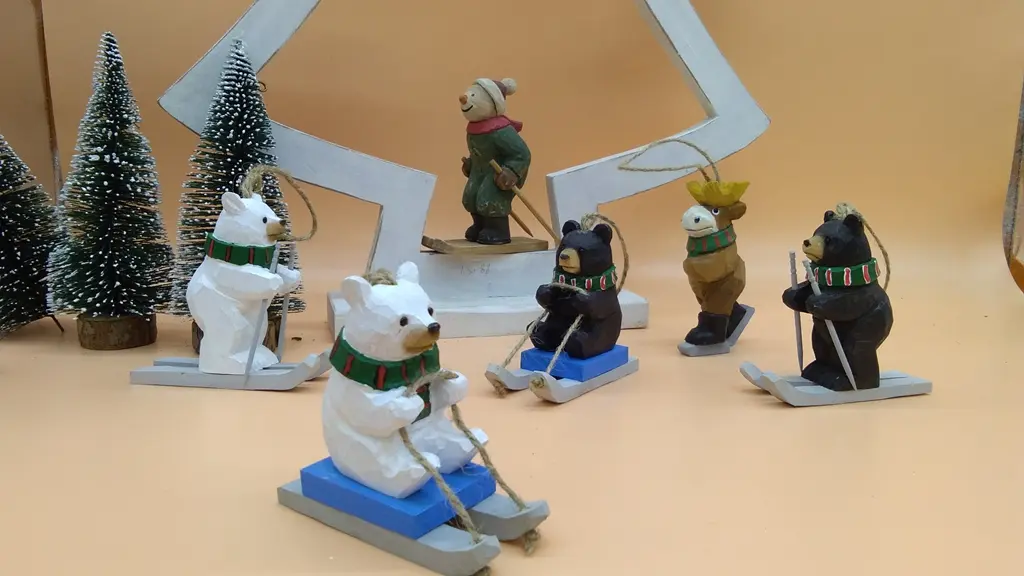
Once the golden sample is approved, the factory moves to tooling and production. For a custom design, new carving templates or moulds may be needed, and the painting line must be trained on the new colour-way. Production itself runs four to six weeks for a typical order, with hand-painting being the rate-limiting step. Reserve capacity by confirming the order in early summer, because painting lines fill up fast in Q3 and late confirmations pay a premium or get pushed to a later slot. The wooden Christmas crafts programme should be locked before the factory accepts other holiday work.
Freight & Delivery: Early to Mid-Autumn
Freight is the stage that most often breaks the timeline. Ocean transit takes four to six weeks, and peak-season sailings are full and expensive. Book the container when production is confirmed, not when it finishes, and budget for a one-week buffer on the sailing and another on customs clearance. The ICC Incoterms rules determine who controls the freight contract; under FOB, the buyer books and locks the rate early, which is the recommended approach for peak-season cargo. Air freight is a last resort for a small top-up of proven best sellers, never the whole programme.

QA & the Pre-Shipment Check
Before the container closes, run a pre-shipment inspection against the golden sample. Check paint consistency, packing quality, and the presence of all required labels and barcodes. A failed inspection at this stage is painful but fixable; a failed inspection after the container has sailed is a crisis. Budget the time for the inspection into the timeline, and make it a condition of payment release. Pair the OEM programme with a custom manufacturing partner who runs golden-sample discipline and pre-shipment inspection as standard, verified on a factory tour.
Writing the Design Brief That Saves Weeks
A clear design brief is the cheapest way to compress the timeline. It should include a reference image or sketch, the wood species, the finish, the dimensions, the packaging format, and the target retail price. A brief that is ambiguous forces the factory to guess, and guessing costs a sample round. The best briefs are one page, visual, and specific, and they are sent with a request for a feasibility response before the first sample is cut. That single step can save two to four weeks in the development cycle.
The brief should also specify the labelling and packaging requirements per market, because adding labels after production is a rework step that delays the shipment. Build the labelling into the brief so the factory applies it during production, and verify it at the golden-sample stage. Custom manufacturing partners who handle design, sampling, labelling, and freight under one roof compress the timeline further.
Contingency Planning for the Holiday Season
Every holiday timeline needs a contingency plan. Reserve one buffer week for design, one for production, and one for freight, and pre-agree the decision rules: if the design phase slips, do you cut a design from the range or accept a later arrival? If freight is delayed, do you air-freight a top-up or live with a shorter selling window? Writing the decision rules before the crisis keeps the programme rational and the margin intact.
The contingency plan is also the document that aligns your internal team: merchandising knows when the shelf must be ready, finance knows when the freight cost is locked, and the DC knows when to staff receiving. Share the timeline with every function, not just the supplier, and the Christmas ornament programme becomes a company-wide rhythm rather than a sourcing-department scramble.
The OEM Christmas ornament programme is a calendar discipline. The buyers who start in spring, freeze the design by summer, and lock freight by early autumn arrive on time and on budget. The buyers who wait until autumn to start arrive in January, and the shelf they were meant to fill is already empty. The timeline is unforgiving, but it is predictable, and the buyers who respect it own the holiday season.
OEM Christmas Ornaments move fastest with a locked timeline: for private label and OEM programs or a wider wooden ornaments wholesale range, agree the schedule before the first sample is cut. For hand-carved ornament designs that share this development path, see our wholesale wood carvings low-MOQ programme.
Frequently Asked Questions
When should OEM ornament development start?
In spring for a Q4 shelf launch. The design-to-container cycle takes months, and a late start pushes the arrival past peak selling weeks.
When should the golden sample be approved?
Before production tooling begins, typically by early summer. Approving the sample after tooling locks in is too late to change the design without rework cost.
When should freight be booked?
When production is confirmed in Q3, not when it finishes. Late booking in peak season means higher rates and fewer available sailings.
Should I use air freight for OEM ornaments?
Only as a last resort for a small top-up of proven best sellers. Air freight erases the margin on the programme and should never be the primary plan.
What is the single biggest timeline risk?
Starting late. Every week of delay in spring compounds through sampling, production, and freight into a late Q4 arrival. The timeline is not elastic.
Develop Custom OEM Christmas Ornaments On Time
Work with a factory that runs golden-sample discipline, sequenced production, and pre-shipment inspection so your custom ornament programme lands on shelf as planned.
Plan Christmas Ornaments →