Skip to content
Key Takeaways
- Custom logo engraving adds a flat per-unit fee; the one-time setup charge is amortised across the order quantity.
- MOQ for branded coasters starts at 100-300 pieces for laser engraving and rises for pad and screen printing.
- Specify the coaster material, size, finish, and engraving method in the purchase order to get an accurate quote.
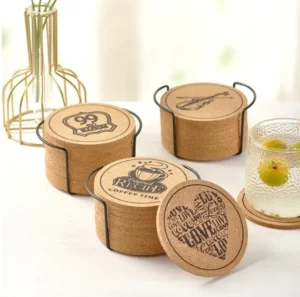
A coaster with a logo is not a coaster; it is a branded touchpoint. The bar, the hotel, the brewery, and the corporate client that orders custom logo coasters is buying brand visibility, not a tabletop accessory. Custom logo coaster MOQ and cost factors are the two questions every wholesale buyer must answer before quoting, and the answers depend on the coaster material, the production method, the quantity, and the packaging. This guide explains the cost drivers and the MOQ structure so the buyer can quote accurately and win the order.
The custom coaster order is a specification exercise. The buyer who sends a vague inquiry will receive a vague quote or no quote. The buyer who sends a detailed specification will receive an accurate quote within days. The difference is the quality of the specification, and the quality of the specification determines the quality of the quote and the likelihood of winning the order.
MOQ: What Drives the Minimum Order
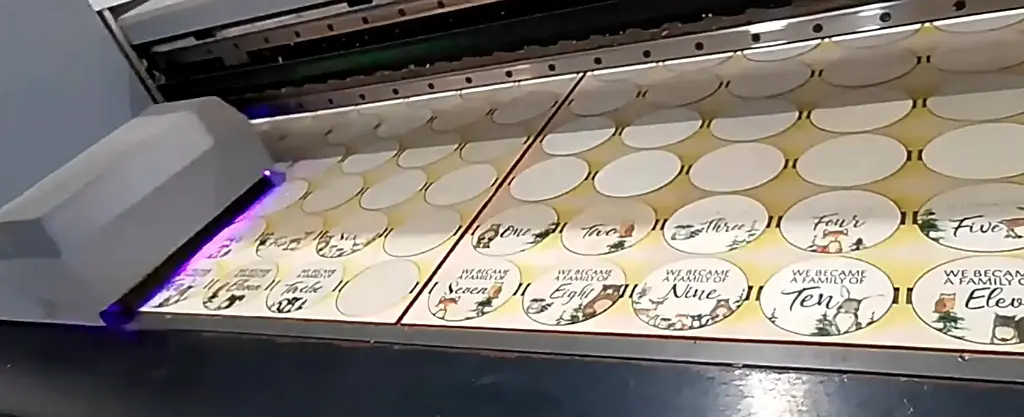
The MOQ for custom logo coasters is driven by the production method, not by the coaster material. Laser engraving has a low setup cost because the laser reads a digital file and switches designs in seconds, and the MOQ is typically 100 to 300 pieces per design. Pad printing and screen printing have higher setup costs because each colour requires a separate plate or screen, and the MOQ is typically higher. The coaster blank itself has a lower MOQ than the printing or engraving, so the production method is the binding MOQ constraint. The buyer should ask the supplier for the MOQ by production method, not by coaster type, because the method is the cost driver. The wooden coasters wholesale supplier should be able to quote MOQs for all three methods and advise the buyer on the best method for the order size.
Cost Factors: What Moves the Per-Piece Price
The per-piece cost of a custom logo coaster is driven by four factors. The coaster material and finish determine the base cost. Basswood with a sealed finish is the standard for most orders; hardwood species add cost. The production method determines the per-piece processing cost. Laser engraving adds a small flat fee per piece; pad printing adds a moderate per-piece cost; screen printing adds a higher per-piece cost for the best colour reproduction. The quantity determines the setup amortisation. The one-time setup cost for the engraving file or the printing plates is divided across the order quantity, so larger orders have a lower per-piece setup allocation. The packaging determines the finishing cost. Individual boxing or sleeving adds cost; bulk packing in trays reduces it. The custom manufacturing programme should provide a cost breakdown by factor so the buyer can see what moves the price and negotiate accordingly.
Writing the Specification for an Accurate Quote
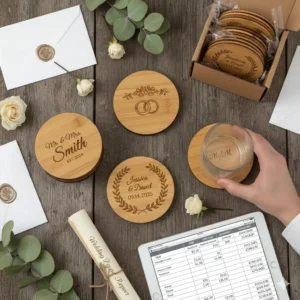
The specification for a custom logo coaster order should include the coaster material and dimensions, the finish, the production method, the logo file format, the quantity, and the packaging. A complete specification might read: “100 round basswood coasters, 10 cm diameter, sealed matte finish, laser-engraved logo centred at 4 cm diameter from supplied vector file, individually sleeved in kraft paper.” This specification is quote-ready, and the supplier can respond with a firm price within days. The specification also serves as the purchase order, because it contains all the information the factory needs to produce the order. The wholesale wooden crafts programme should include a coaster specification template that the buyer can use for every inquiry. Verify the production quality on a factory tour.
The branded coaster programme rewards the buyer who treats each order as a custom project with a defined specification, a transparent cost breakdown, and a verified production process. The buyers who approach the market with that discipline will win the orders that the generic-quote competitors lose. The discipline is the difference between a one-time order and a recurring programme, and the recurring programme is where the profit lives.
Sample and Proofing Workflow for Logo Coasters
Logo coaster orders follow a short proofing loop because the print or engraving area is small and mistakes are costly at volume. The buyer supplies vector artwork; the factory returns a digital proof showing logo size, position and colour breakdown on the chosen coaster shape within two working days. One revision round is included.
After proof approval, a physical sample set of five to ten pieces is produced with the real production method — laser engraving, full-colour print or deboss — so the buyer checks edge quality, colour fidelity and surface feel before the run starts. Sample lead time is typically one week from approval.
Compliance Notes for Hospitality Use

Coasters destined for bars, breweries and restaurants often raise food-adjacent compliance questions. Coasters are not food-contact surfaces, but venues frequently ask for documentation on finishes and coatings. Provide the coating specification sheet and, where the destination market requires it, evidence that finishes used on printed surfaces meet the relevant national standards for consumer articles. Avoid claiming food-safety certification unless a specific test report exists for the exact coating used.
Where venues request cork or rubber backing, confirm the backing adhesion method in the spec: glued backings can delaminate in dishwasher-adjacent environments, while moulded-in backings hold longer under bar conditions.
For branded hospitality programmes, agree a reorder cadence at the first order: venues that run seasonal menus typically reorder logo coasters twice a year, and holding the printed plate or engraving file on record cuts reorder proofing time to zero.
Frequently Asked Questions
What is the typical MOQ for custom logo coasters?
100-300 pieces for laser engraving, higher for pad and screen printing. The production method is the binding MOQ constraint, not the coaster blank.
What factors determine the per-piece cost?
Coaster material and finish, production method, order quantity for setup amortisation, and packaging type. All four factors affect the landed cost.
What should I include in a quote request?
Coaster material, dimensions, finish, production method, logo file format, quantity, and packaging. A complete specification gets an accurate quote within days.
Which production method is most durable?
Laser engraving is most durable because it burns into the wood. Pad and screen printing sit on the surface and can wear with heavy bar or restaurant use.
How should coasters be packaged for different customer types?
Bulk-packed in trays for hospitality use, individually sleeved or boxed for corporate gifting. Specify the packaging in the purchase order.
Quote Custom Logo Coasters with Confidence
Source branded wooden coasters with laser engraving, pad printing, and screen printing from one factory, with MOQ flexibility and detailed cost breakdowns.
Explore Wooden Coasters →