
Cooking fish on a Himalayan salt block infuses seafood with a subtle mineral depth while creating an even, caramelized sear. When properly heated and lightly coated with high‑smoke‑point oil, the block releases fish cleanly and enhances natural flavor without excessive salting. This guide explains how to preheat, handle, and cook salmon, tuna, halibut, shrimp, or scallops to achieve refined texture, balanced seasoning, and consistent restaurant‑quality presentation at home.
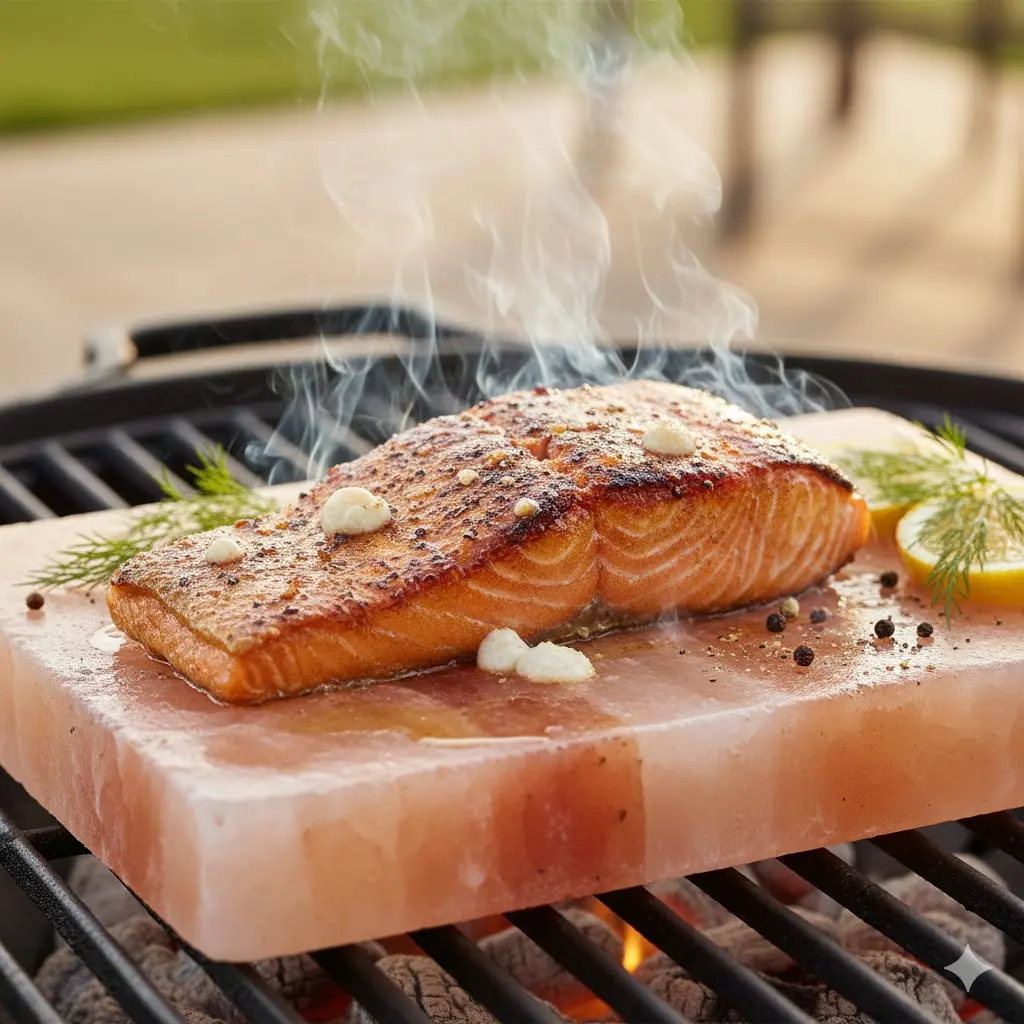
Prerequisites: Essential Tools and Materials for Salt Block Fish Cooking
Cooking fish on a Himalayan salt block requires the right tools and thoughtful preparation. Each item plays a role in achieving even heat, preventing sticking, and maintaining safety. Before preheating, gather the following materials to ensure a smooth process from start to finish.
- Food-grade Himalayan salt block with a flat surface, weighing approximately eight to twelve pounds
- Gas or electric burner, or an outdoor grill with adjustable heat control
- Thermometer or other reliable method to verify the surface temperature reaches at least four hundred degrees Fahrenheit
- High smoke point oil such as avocado, grapeseed, or light olive oil
- Fresh, firm fish fillets such as salmon, tuna, or halibut
- Thin metal spatula for precise flipping and lifting
- Heat-resistant gloves or sturdy tongs for safe handling of hot equipment
Having these essentials organized beforehand streamlines cooking, keeps the salt block at the correct temperature, and minimizes the risk of sticking or overcooking delicate seafood.
Step-by-Step Guide to Cooking Fish on a Himalayan Salt Block
Step 1: Preheat the Salt Block Gradually to the Correct Temperature
Begin heating the salt block gently on a low setting, then increase the heat in gradual stages over 30 to 45 minutes until it reaches 400°F to 450°F. This slow ramp-up prevents cracking and promotes an even surface temperature essential for clean searing.
Use a grill or infrared thermometer to monitor the temperature. A quick test—sprinkling a few drops of water—confirms readiness when they sizzle and evaporate immediately. Placing fish on a block that’s too cool encourages sticking, so confirming proper heat is critical before cooking.
Step 2: Prepare and Lightly Oil the Fish and Salt Block
Pat the fish fillets dry with paper towels, then season lightly. Brush a thin, even coat of high–smoke point oil, such as avocado or grapeseed, onto both the fish and the block’s surface. This microscopic barrier prevents direct salt contact and eases flipping.
Avoid heavy oiling, which may cause smoke or leave residue on the block. The objective is an ultralight coating that enables uniform browning and protection for both shellfish and firm fish varieties.
Step 3: Cook Fish Undisturbed Until a Crust Forms
Once the block is fully heated, place the fish directly onto it—skin-side down if applicable. For salmon or halibut, this crisps the skin and locks in moisture. Allow the fish to cook without disturbance; steady contact builds a golden crust and prevents tearing.
Cooking time varies by thickness, typically two to eight minutes per side. Wait until the fillet detaches naturally before turning. Use a thin metal spatula to slide gently beneath the fish, keeping the seared surface intact.
Step 4: Flip and Finish Cooking to Desired Doneness
After the first side develops color, gently flip the fish with a flat spatula. Continue cooking until the internal temperature reaches 135°F to 145°F. The fish should appear opaque and flake easily, retaining moisture throughout.
Transfer the fillets immediately to a plate once done. Leaving them on the heated block can cause over-salting and carryover cooking. This quick removal preserves the ideal flavor balance and texture for fish, shrimp, or scallops.
Authentic Himalayan Salt Blocks for Your Business
Partner with Jilin Ever Creation to source food‑grade pink Himalayan salt products from the Khewra Salt Mine. Choose custom sizes, shapes, packaging, and private labeling to enhance culinary presentation and flavor across food service, retail, and hospitality settings. Perfect for searing fish, shrimp, and scallops, these blocks combine function with visual appeal in professional kitchens.
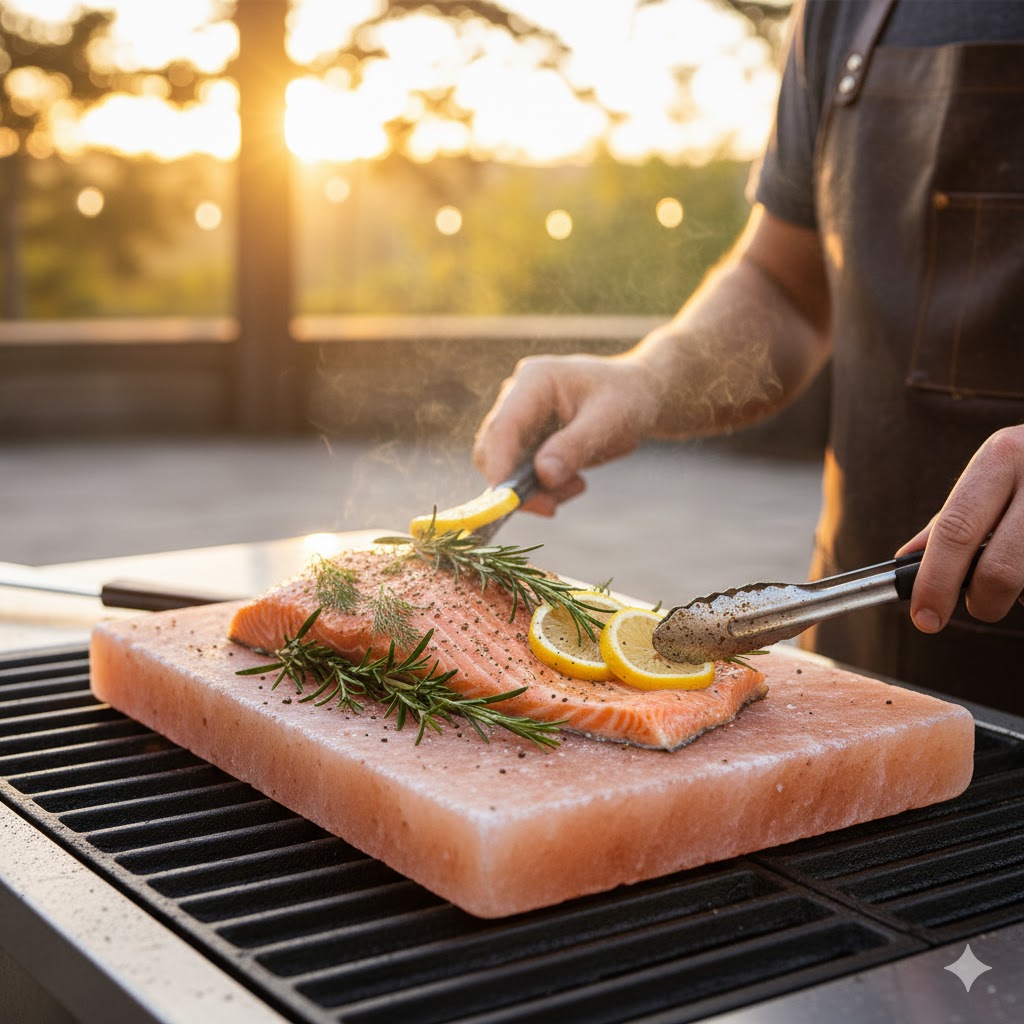
Choosing the Best Fish for Himalayan Salt Block Cooking
Firm, oily fish such as salmon, tuna, and halibut perform best on a Himalayan salt block. Their dense structure tolerates high heat, forming a crisp, flavorful crust while staying intact. When the block is thoroughly preheated to around 400°F, these varieties sear evenly, release cleanly, and develop balanced seasoning without excess salt.
Delicate species like flounder or tilapia can also be cooked on a salt block but require more precision. Apply a light film of high‑smoke‑point oil to both the fish and the block, and reduce cooking time to prevent over‑salting or drying. Avoid flipping too early—let the surface release naturally before lifting for the best result.
Whenever possible, source fresh, wild‑caught fish. Their firmer texture and higher natural oil content enhance both moisture retention and flavor, producing a tender interior and crisp exterior that showcase the salt block’s subtle mineral character.
Cleaning and Maintaining Your Himalayan Salt Cooking Block
Proper care keeps your Himalayan salt block safe, durable, and consistently effective for cooking fish or shellfish. Always let the block cool completely to room temperature before handling—cleaning or moving it while still hot can cause thermal stress and cracking.
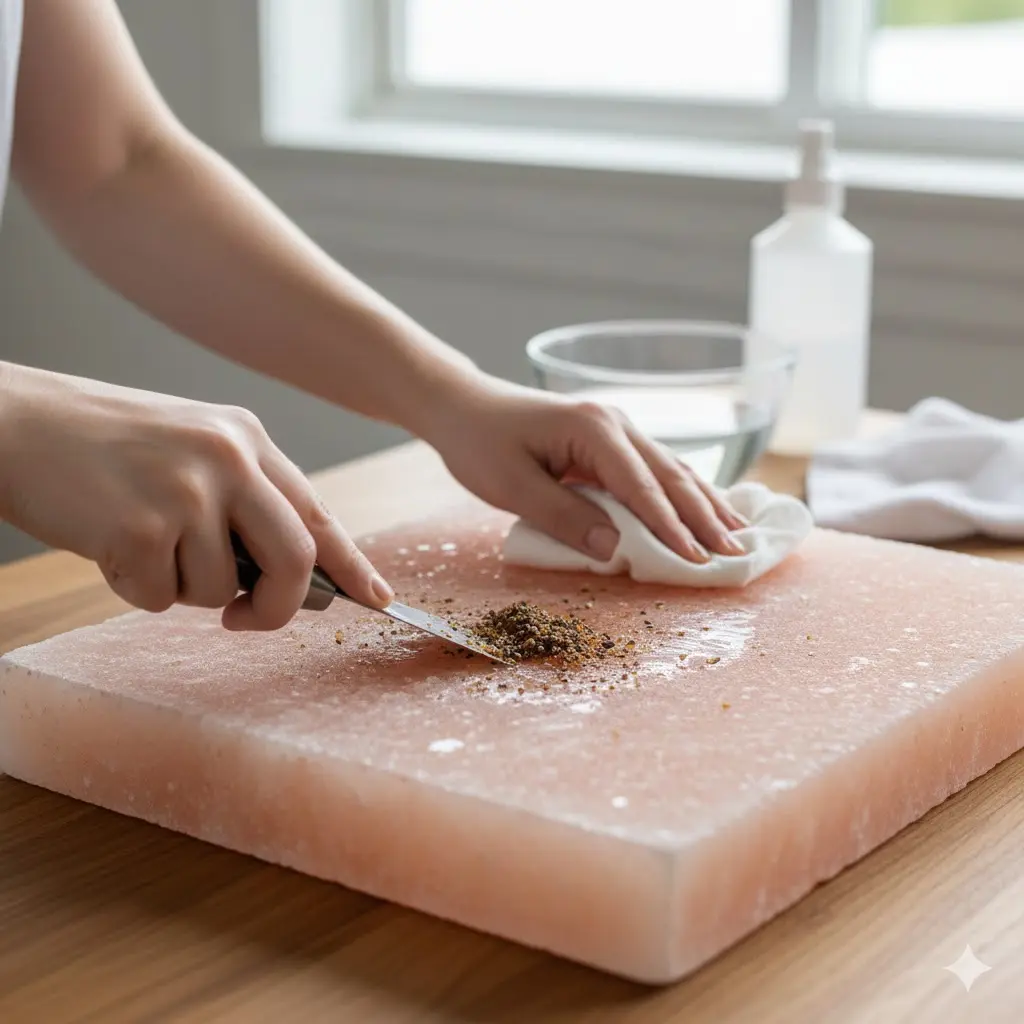
When cool, remove food residue with a slightly damp cloth or a scraper. Avoid soaking or using soap, as water and detergents dissolve the surface and strip away the block’s natural seasoning that enhances the flavor of seafood.
Dry the surface thoroughly and store the block in a cool, low-humidity environment such as a ventilated cabinet. Keeping it free from moisture preserves its structure, ensuring stable heat performance and balanced salinity for future use.
Expert Tips and Common Mistakes When Cooking Fish on Salt Blocks
Cooking seafood on a Himalayan salt block delivers a clean, balanced flavor, but precision is essential. Small missteps in heat, oil application, or timing can lead to sticking or uneven results. The following guide outlines the most frequent issues cooks encounter and how to prevent them for consistently professional outcomes.
| Common Mistake | How to Avoid / Solution |
|---|---|
| Placing fish on a cool or unevenly heated salt block | Preheat the block gradually in stages until it reaches around 400°F. Test readiness by sprinkling a few drops of water—if they sizzle and vanish instantly, the surface is ready. |
| Using too much or the wrong type of oil | Use only a thin layer of high smoke point oil, such as avocado, grapeseed, or refined olive oil, on both the fish and the salt block to reduce sticking and burning. |
| Flipping fish too early or moving it constantly | Allow the fish to sear undisturbed until it releases naturally, then slide a thin metal spatula underneath to turn or lift it without tearing. |
| Leaving fish on residual heat after cooking | As soon as the fish reaches ideal doneness, remove it from the block immediately. Leaving it on the surface causes dryness and excess salt uptake. |
| Cleaning the block with soap or soaking in water | Let the block cool completely, then scrape away residues with a damp cloth. Avoid soap or soaking to preserve the salt’s integrity and natural seasoning layer. |
When the process is executed correctly, a well-heated salt block imparts a gentle mineral accent that enhances seafood without overpowering it. Consistent heat control and careful cleaning extend the block’s lifespan and ensure reliable, flavorful results every time.
Frequently Asked Questions About Cooking Fish on Himalayan Salt Blocks
What types of fish work best on a Himalayan salt block?
Firm, moderately oily fish such as salmon, tuna, and halibut are ideal because they maintain their structure under direct heat. These varieties sear evenly and absorb just the right amount of salt during cooking. Avoid very delicate species like sole or flounder, which can break apart on the hot surface.
How can I prevent delicate fish from sticking to the block?
Ensure your salt block is fully preheated to at least 400°F. Lightly brush both the fish and the block with a thin layer of high-smoke-point oil before cooking. Let the fish sear undisturbed until it releases on its own—moving it too early often causes sticking or tearing.
How long should I cook a salmon fillet per side?
On a properly heated block, salmon fillets typically cook for 2 to 4 minutes per side, depending on thickness. Wait until the surface lifts cleanly before flipping to preserve the sear. The fish is ready when the center reaches an internal temperature of approximately 135–145°F and flakes with gentle pressure.
Does the salt block retain fishy odors after use?
No. Himalayan salt is naturally antimicrobial and nonporous, so it does not trap strong smells. Once the block has cooled, gently scrape off any residue with a damp cloth or sponge and let it dry completely. Avoid soaps or soaking, which can damage the salt surface.
Can I cook shellfish such as shrimp or scallops on a salt block?
Yes. Shrimp and scallops cook exceptionally well on a hot salt block. Pat them dry, brush lightly with oil, and cook for about two minutes per side until opaque and lightly caramelized. Remove them immediately to preserve sweetness and prevent excess salt absorption.
Your Takeaway
Cooking fish on a Himalayan salt block delivers exceptional results when the fundamentals are done correctly. Gradually heat the block to around four hundred degrees Fahrenheit, then apply a light coat of high‑smoke‑point oil to both the surface and the fish—whether it’s salmon, tuna, halibut, shrimp, or scallops. This step prevents sticking and ensures a clean, even sear.
When the fish touches the hot block, let it cook undisturbed until it releases naturally. Turn or remove it only at that point with a thin metal spatula to keep the flesh intact and seasoning balanced. After cooking, allow the block to cool before gently cleaning it to maintain structure and longevity.
With steady heat control, light handling, and proper care, you’ll achieve consistently flavorful, impeccably textured seafood enhanced by the natural mineral character unique to Himalayan salt.
Experience the quality firsthand with our trial order – an easy way to test these high-margin products with just a $500 investment. Get in touch to start your trial order today!