Skip to content
Key Takeaways
- Position hand-carved goods as heirloom-quality gifts; the visible tool marks are the value signal, not a flaw.
- Tell the maker story on the packaging and the shelf tag; the artisan narrative is the premium’s justification.
- Price hand-carved at a deliberate premium above machine-made equivalents, and never discount to compete.
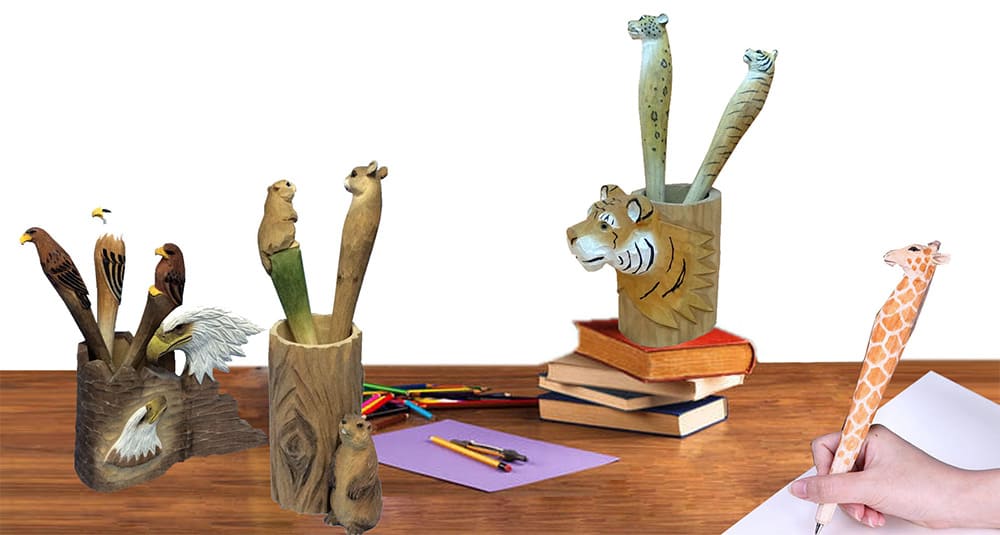
The consumer who buys a hand-carved wooden figurine is not buying a decoration; they are buying craft, story, and the visible evidence of a human hand. Handmade premium consumer demand is the structural force behind the growth of the wooden decor category, and it is the reason a carved owl sells at a multiple of a moulded plastic one. This guide explains what drives the handmade premium, how to merchandise it, and how to protect it from commoditisation.
The premium is not imaginary; it is visible. Tool marks, grain variation, and slight asymmetry are the value signals that tell the customer this piece was made by a person, not a machine. The retailer who hides those signals loses the premium; the retailer who highlights them captures it. The handmade story is the product’s most valuable asset, and it must be told at every touchpoint.
The Visible Value Signals
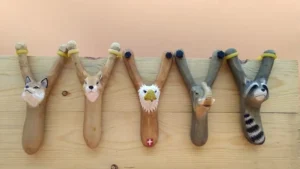
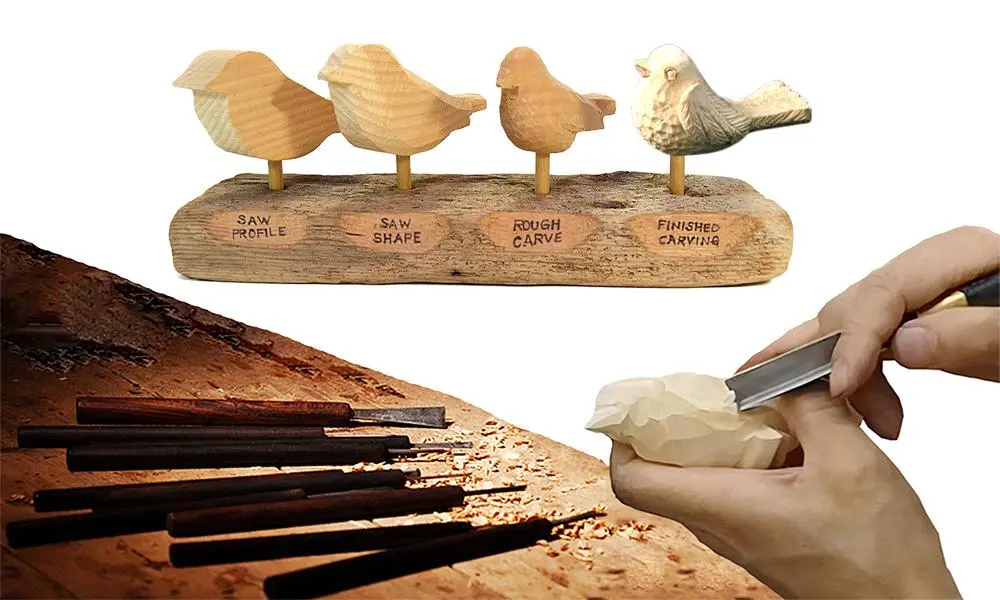
A hand-carved piece carries three visible value signals that a machine-made piece cannot replicate. The tool marks on the surface show where the carver’s chisel moved through the grain. The grain variation proves the piece was made from a single block of wood, not assembled from parts. The slight asymmetry in the shape proves it was guided by a human eye, not a CNC programme. These three signals are what the customer is paying for, and they must be visible on the shelf and in the product photography. A piece that has been sanded to machine-like perfection has been stripped of its value.
Telling the Maker Story
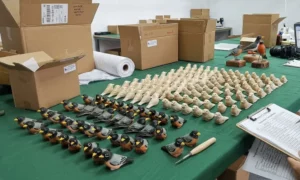
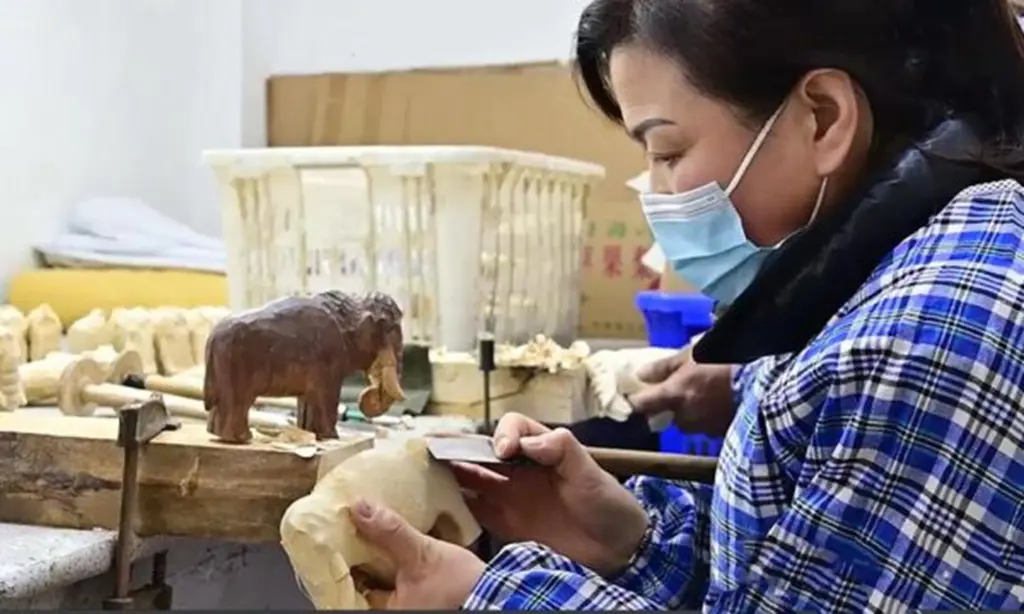
The maker story is the narrative that justifies the premium. It should name the wood species, the carving region, and the finishing process, and it should include a photograph of the carving process or the finished workshop. The story should be on the packaging, on the shelf tag, and on the product page. A customer who reads the story before they see the price perceives the price as fair. A customer who sees the price first and has no story perceives the price as high. The story is the bridge between the object and its value. The wood carving factory should provide the story elements as part of the product documentation, and the retailer should adapt them to the shelf and the screen.
Pricing the Premium and Protecting It
The handmade premium should be priced deliberately, not cost-plus. The retail price should reflect the perceived value of the craft, not the landed cost with a standard margin applied. A hand-carved piece that is priced too close to a machine-made equivalent undermines the premium for the whole category. The premium must also be protected from discounting. A hand-carved piece that goes on sale trains the customer to wait for the sale, and once the premium is discounted, it is very hard to restore. Protect the premium with a no-discount policy on the hand-carved line, and use the entry-tier, machine-made or simpler pieces for promotional activity. The wholesale wooden crafts programme should support this by keeping the hand-carved range visually and narratively distinct from the broader range.
The Future of the Handmade Premium
The handmade premium is structural, not cyclical. Consumers are increasingly valuing authenticity, sustainability, and human connection in the products they buy, and hand-carved wooden goods sit at the intersection of all three trends. The retailers who invest in the maker story, protect the premium from discounting, and source from a reliable custom manufacturing partner will own the category in their market. Verify the carving quality, the story elements, and the production consistency on a factory tour, and let the handmade premium compound across every piece on the shelf.
Defending the Premium Against Commoditisation
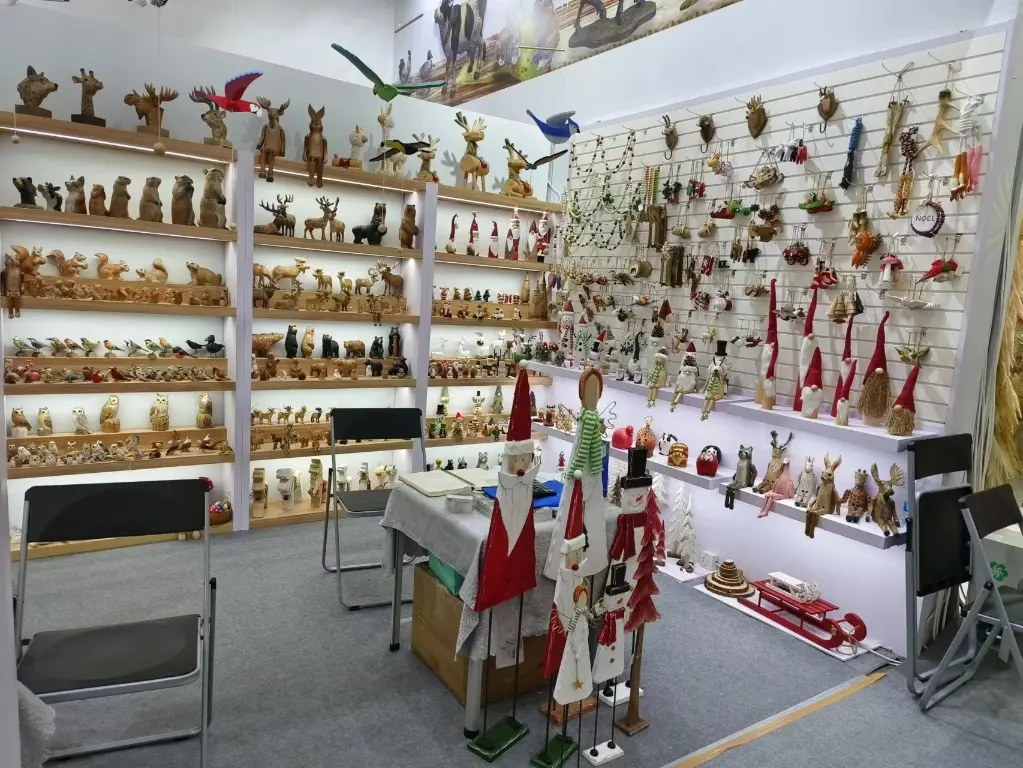
The handmade premium is under constant pressure from machine-made lookalikes that copy the shape but not the craft. The defence is not to lower the price; it is to raise the visibility of the craft. A machine-made piece cannot show tool marks, grain variation, or a maker story. The hand-carved piece can, and the retailer who makes those attributes visible on the shelf, on the packaging, and on the product page defends the premium against the copy. The wood carving factory should provide a maker story and a production photograph for every design, and the retailer should use them.
The second defence is channel discipline. A hand-carved piece sold through a discount channel or a marketplace that pressures pricing will commoditise the category. Keep the hand-carved line in channels that value craft and story, and use entry-tier, natural-finish pieces for price-sensitive channels. The premium is protected by where it is sold as much as by how it is priced. Position the hand-carved line as the premium anchor of your range, protect the price with a no-discount policy, and let the authentic craftsmanship speak for itself.
Frequently Asked Questions
What makes a product genuinely hand-carved?
Visible tool marks, grain variation from a single block, and slight asymmetry prove the piece was guided by human hands, not a machine programme.
How should I tell the maker story?
Name the wood species, the carving region, and the finishing process. Include a photograph of the carving process. Place the story on the packaging, shelf tag, and product page.
Should I discount hand-carved pieces?
No. Discounting trains the customer to wait and erodes the premium. Protect the hand-carved line with a no-discount policy, and use entry-tier pieces for promotions.
Is the handmade premium a lasting trend?
Yes, it is structural. Consumers increasingly value authenticity, sustainability, and human connection, and hand-carved goods, as tracked by industry insights like the National Retail Federation, sit at the intersection of all three.
How should I price hand-carved versus machine-made?
Price hand-carved at a deliberate premium reflecting perceived craft value, not cost-plus. Pricing too close to machine-made undermines the premium for the whole category.
Capture the Handmade Premium in Your Range
Source hand-carved wooden goods with visible tool marks, documented maker stories, and a protected premium price point that your customers value and your competitors cannot copy.
Explore the Carving Factory →