Skip to content
Key Takeaways
- A wood carving factory audit is not a formality — it is the single most important risk-reduction step in the wholesale sourcing process. An unverified supplier represents inventory risk, compliance risk, and brand reputation risk in one unopened shipping container.
- The audit falls into five verification areas: certifications (Trading FSC, BSCI, ISO), production capacity (artisan count, peak throughput, current order book), quality control (inspection gates, defect tracking, moisture content testing), social compliance (wages, hours, safety equipment), and sample integrity (do production samples match the catalog photos you approved).
- Remote audits can cover 70% of what an on-site visit verifies if you request the right documentation: live video walkthroughs of the production floor, timestamped photos of QC stations, and direct video calls with the production manager rather than the sales representative.
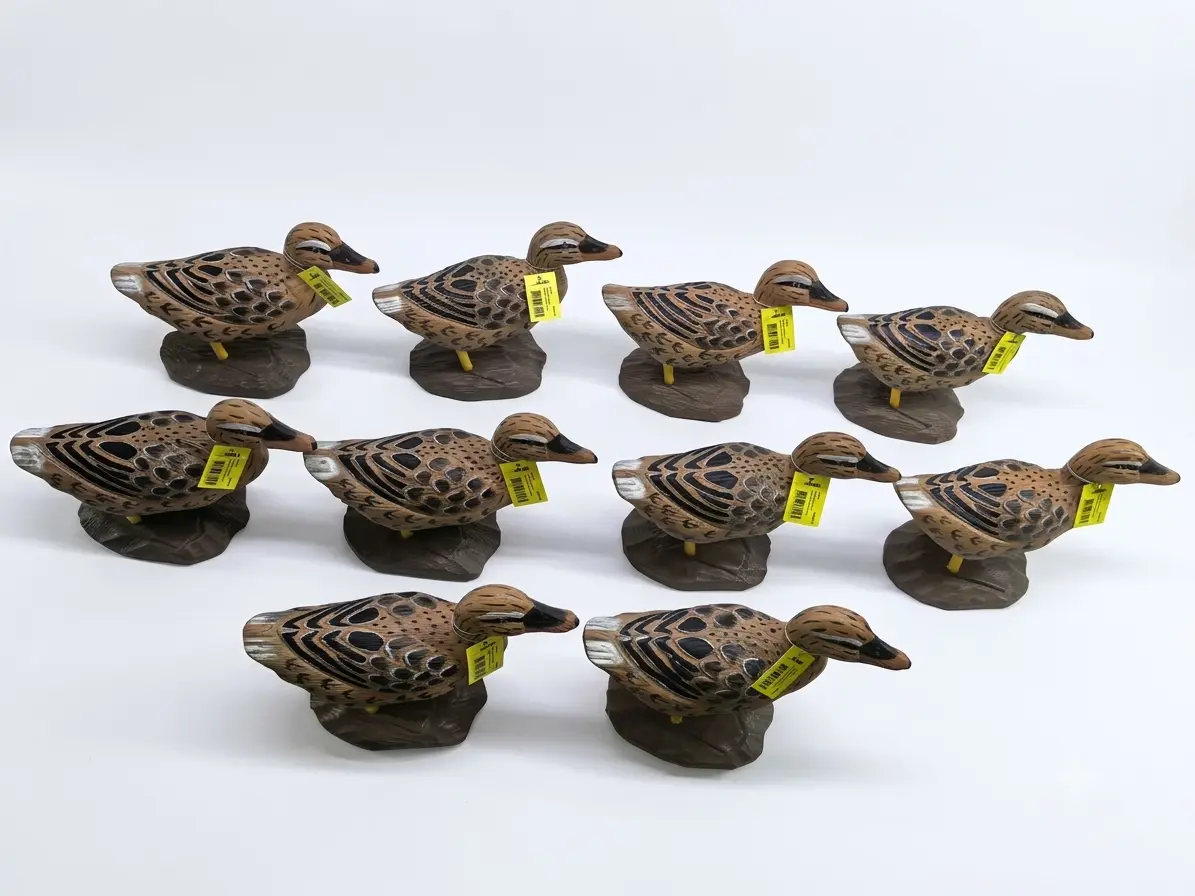
Step 1: Verify Certifications — The Paper Trail That Matters
Certifications are the starting point, not the endpoint, of a factory audit. The key is not just collecting certificates — it is verifying that they are current, cover the specific products you are ordering, and were issued by accredited bodies. A BSCI certificate dated 2023 that has not been re-audited is a red flag. Trading entity FSC certification backed by official logging permits and phytosanitary certificates ensures complete compliance for export.
| Certification | What to Verify | Red Flag |
|---|---|---|
| Trading Entity FSC & Permits | Trading entity FSC status, official logging permits, phytosanitary certificates. | Missing quarantine certificates or unverified timber source declarations |
| BSCI | Audit date within 2 years, grade level, corrective actions closed | Audit older than 2 years; open non-conformities |
| ISO 9001 | Scope includes your product category, certification body accredited | Self-declared without third-party audit; scope excludes manufacturing |
| EN71 | Test reports for your specific product, not a generic factory certificate | Company-wide certificate without per-product test data |

Step 2: Assess Production Capacity — Can They Deliver Your Order?
The most common factory failure is not quality — it is capacity. A supplier who produces 5,000 pieces per month at acceptable quality may collapse when your order requires 20,000 pieces in a six-week window. Ask for their current order book, their peak monthly throughput for your product category, and — critically — how many other buyers are in their production queue for the same delivery window.
Questions That Reveal Real Capacity
Ask these specific questions rather than “how many pieces can you produce.” How many full-time artisans work on your product category? What is their daily output per artisan for your specific item (not their fastest item)? What percentage of production capacity is already committed for your delivery window? What is the backup plan if an artisan is unavailable — cross-trained staff or production delay? At Jilin Ever Creation, we provide capacity transparency as part of our standard buyer onboarding: artisan headcount by product line, current order-book percentage by month, and guaranteed production slot reservation with contract signing.

Step 3: Evaluate Quality Control — The Gates That Catch Defects
A factory without defined QC gates is shipping unchecked products. There should be at least three inspection points: incoming material inspection (wood moisture content, sheet thickness, grain quality), in-process inspection (carving accuracy, paint application, assembly alignment), and pre-shipment inspection (AQL sampling, packaging integrity, label accuracy). Ask the factory to walk you through each gate — what they check, how they record results, and what triggers a rejection.
The Moisture Content Test
For wooden decor crafted from kiln-dried Basswood and Pine, moisture content is the single most predictive QC metric. Wood shipped at the wrong moisture content will warp, crack, or develop mold after reaching the destination climate — defects that surface weeks after the customer has accepted the product. Verify that the factory uses calibrated moisture meters (not visual inspection) and targets 8–12% for export shipments. Ask to see moisture-content logs for the past three production batches, not just a statement that they test. Ewoodarts provides batch-level moisture data with every shipment and uses a dual-check system: meter reading at incoming lumber inspection and a second reading at final assembly.
Start Your Supplier Verification

Step 4: Verify Social Compliance — The Human Side of the Audit
Social compliance is the part of a factory audit that buyers most often skip — and the part that carries the highest reputational risk. A supplier with perfect product quality but undocumented labor practices is a brand risk waiting to surface. BSCI (Business Social Compliance Initiative) certification is the baseline, but the audit should go further: ask about wage records, working hours during peak season, and safety equipment provision for artisans working with carving tools and water-based non-toxic paint materials.
Questions to Ask About Working Conditions
Specific questions reveal more than general ones. Instead of “do you treat workers well,” ask: What is the artisan-to-apprentice ratio? (A healthy workshop has 3–5 artisans per apprentice, ensuring proper training.) What safety equipment is provided — dust masks for sanding stations, ventilation for paint areas, finger guards for carving stations? Are overtime hours during peak season voluntary and compensated at a premium rate? Can you provide anonymized wage records for the past three months showing base pay and overtime? Ewoodarts maintains BSCI certification with annual third-party audits, provides full safety equipment at every workstation, and keeps documented wage records available for buyer review. Our artisan retention rate exceeds 90% year-over-year — a metric that speaks louder than any certificate.
Sample Integrity: The Final Verification Step
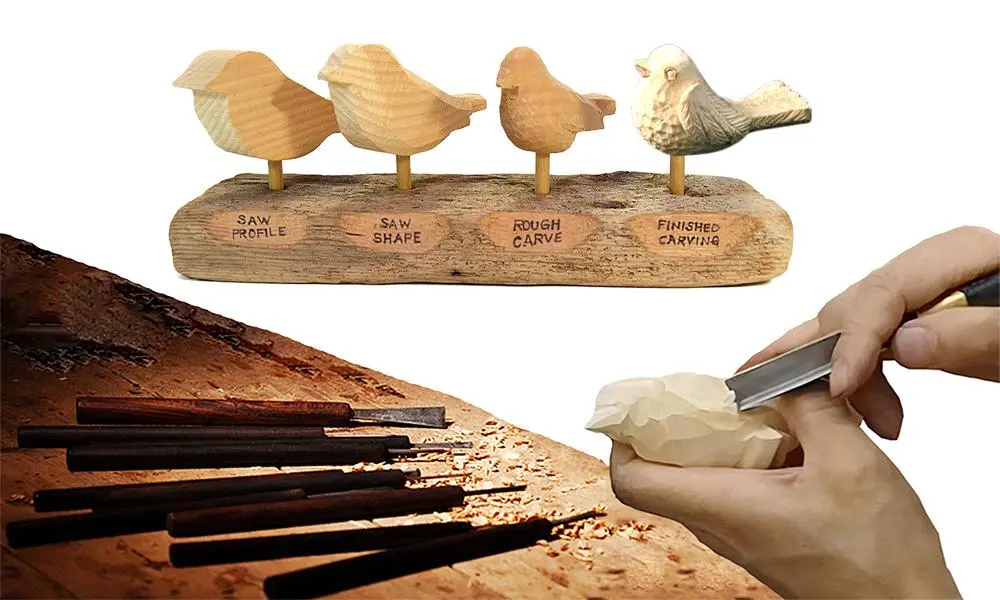
Order production samples before committing to the full production run — not the pre-made catalog samples that every supplier sends, but samples from the actual production batch that will fill your order. The difference is critical. Catalog samples are made by the most skilled artisan under no time pressure. Production samples are made by the artisans who will produce your order, under normal production conditions. If the production sample does not match the catalog sample in carving quality, paint accuracy, and finish consistency, the full production run will not either. This single step — requesting and approving production samples — catches 80% of the quality discrepancies that lead to buyer disputes. Ewoodarts includes production sampling as a standard step in every first-time buyer order, with photos sent for approval before the main production run begins.
A thorough factory audit is an investment of time that pays for itself many times over in avoided quality disputes, prevented shipment delays, and protected brand reputation. The suppliers who welcome detailed audits — who provide documentation promptly, answer specific questions with specific data, and treat the audit as a normal part of buyer due diligence — are the suppliers worth building a long-term sourcing relationship with. The suppliers who resist audits, provide vague answers, or treat documentation requests as unreasonable demands are revealing something about their operations that a certificate alone cannot communicate. Trust the audit process, and trust your instincts when a supplier makes the process difficult.
The goal of a factory audit is not to find a perfect supplier — no factory is perfect — but to find a supplier whose processes, documentation, and transparency give you confidence that when problems arise, as they inevitably do in any manufacturing relationship, they will be identified quickly, communicated honestly, and resolved professionally. Ewoodarts welcomes audits because we have built our business on the premise that informed buyers make better long-term partners, and better partnerships produce better products for the customers who ultimately matter most — the people who take our handcrafted wooden decor into their homes.
Audit findings map directly to our documented systems: the wood carving factory overview, BSCI and SEDEX compliance scope, the OEM/ODM customization workflow and the wholesale wooden crafts line list. Management-system references: ISO.
Frequently Asked Questions
Can I conduct a remote factory audit instead of visiting in person?
Yes. We support remote audits via live video walkthrough of production areas, real-time QC station demonstrations, and video calls with production management. Remote audits can verify certifications, production capacity, and QC processes effectively. Physical sample evaluation remains the one element better done in person or via shipped samples.
What documentation does Ewoodarts provide for buyer due diligence?
Standard package includes: Trading entity FSC certificate, official logging permits, phytosanitary certificates, BSCI social compliance audit report, ISO 9001 certificate, EN71 test reports (sections 1-3), moisture content logs for recent batches, artisan headcount by product line, and current production capacity chart by month.
How do you handle defect rates and quality disputes?
We ship to AQL 2.5 (major defects) and AQL 4.0 (minor defects) as standard. Pre-shipment inspection reports with photos are provided before payment release. If defects exceed agreed AQL levels, we offer replacement production or credit on the next order. Quality disputes are resolved within 5 business days with photographic evidence from both sides.
Do you allow third-party inspection companies to audit your factory?
Yes. Third-party inspection by SGS, Bureau Veritas, Intertek, or your designated inspector is welcome. We coordinate scheduling, provide access to all production areas and documentation, and accommodate both announced and semi-announced inspection visits. Inspection reports are shared with the buyer directly by the inspection company.
What is your sample policy for first-time buyers?
We offer a refundable sample program: choose up to 5 SKUs, receive production-quality samples within 2–3 weeks, and the sample cost is fully credited to your first production order. Samples are yours to keep regardless of whether you proceed — no return shipping required.