
Himalayan salt blocks are dense slabs of crystalized mineral salt used for grilling, chilling, and serving. Their natural thermal properties infuse food with a subtle salinity while adding a striking, artisanal presentation to any kitchen or professional setup. However, because these blocks are brittle and sensitive to moisture and rapid temperature shifts, they require careful handling. This guide explains what causes cracks and outlines proven methods to prevent thermal shock, fracturing, and moisture damage from the start.
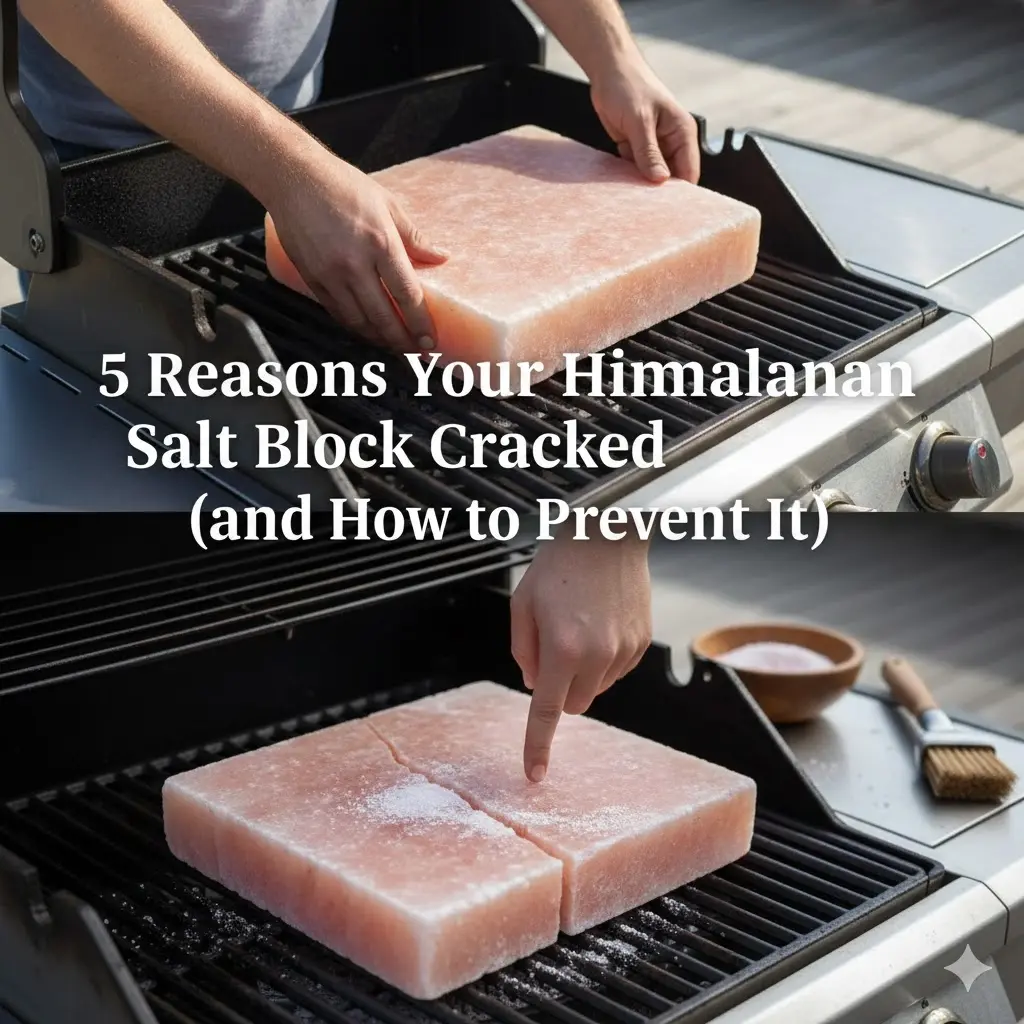
Prerequisites: Tools and Materials
Before heating or seasoning your Himalayan salt block, prepare the essential tools listed below. Each item contributes to steady heat control, moisture management, and overall durability, helping prevent cracks caused by thermal shock or uneven drying.
- Himalayan salt cooking block in sound condition
- Heat source with adjustable temperature (gas burner or grill preferred)
- Clean, dry cloth for wiping and drying the block
- Soft brush and a small amount of clean water for gentle cleaning
- Food-safe oil, such as olive or coconut, for protective seasoning
Having these materials ready ensures stable heating, consistent tempering, and long-term protection against cracking or warping.
Step 1: Gradually Heat Your Salt Block
Begin on Low Heat and Increase in Controlled Stages
Himalayan salt blocks are susceptible to cracking if heated too quickly. A gradual temperature increase allows the block to expand evenly, preventing thermal shock and reducing internal stress. Slow heating also helps any remaining moisture inside the crystal structure escape safely, minimizing the risk of surface fractures.

Start your heating process at approximately 100°C. Once the block reaches a stable temperature, increase to around 180°C, then continue to a high setting near 220°C. Allow several minutes between each stage so the block can adjust fully before moving to the next temperature range.
Never place a cold salt block directly over high heat, as sudden expansion from trapped moisture can cause immediate cracking. From the first use, maintain this measured tempering routine—each careful cycle reinforces the block’s structural integrity and extends its usable life.
Step 2: Store and Handle Your Salt Block Carefully
Keep the Block Dry and Protected
Proper storage is essential to maintain your Himalayan salt block’s integrity through repeated heating cycles. Moisture and impact are primary causes of cracking, so the block must always remain dry and well-supported. Because salt is naturally porous, any absorbed water can turn to steam when reheated, causing internal stress or fractures.
After each use, allow the block to cool completely before cleaning. Wipe away residue with a slightly damp cloth, then dry it thoroughly. Store it in a cool, low-humidity area, away from sinks, stoves, or other moisture sources, to prevent buildup and preserve the surface finish.
- Store the salt block in a dry, ventilated place to prevent humidity absorption.
- Limit water contact to light cleaning only, and dry the block completely afterward.
- Handle with clean, dry hands to prevent oils or moisture from weakening the surface.
- If the block remains unused for long periods, rotate it occasionally to ensure even drying and prevent warping.
Establishing this consistent care routine reinforces the block’s structural stability and significantly reduces the chance of cracking over time.
Authentic Himalayan Salt Blocks for Culinary & Hospitality
Partner with Jilin Ever Creation to source premium, food-grade Himalayan salt blocks from the Khewra Salt Mine. Each block is chosen for density and clarity, ensuring excellent heat retention and stability when properly tempered. Ideal for cooking, plating, or brand presentation, these blocks meet international food-safety standards and are available in customizable sizes for consistent B2B supply.

Step 3: Avoid Cooking with Oils and Direct Flame
Use Oiled Ingredients, Not Oil on the Block
Himalayan salt has a porous crystalline structure that readily absorbs liquids. When oil seeps into these pores, it accelerates surface wear and can lead to fine fractures over time. Instead of applying oil directly to the block, lightly coat your ingredients before cooking. This method enables proper searing while keeping the salt’s surface stable and resistant to damage.
Oil applied directly can burn at high temperatures, leaving uneven spots and weakening the block through repeated thermal stress. Oiling your food instead ensures even heat distribution and preserves the block’s integrity across multiple cooking cycles. These blocks respond predictably when treated gently—the more controlled each heating phase, the longer their structural life.
To minimize the risk of thermal shock, avoid direct or concentrated flames, such as those from small electric burners. Use a grill, gas range, or oven that allows gradual temperature increases. Controlled heat buildup prevents sudden surface tension shifts and helps maintain the salt block’s internal cohesion.
Step 4: Clean and Season Your Salt Block Properly
Gentle Cleaning and Regular Oiling
Proper cleaning keeps your Himalayan salt block strong and prevents cracks caused by retained moisture or uneven drying. Always allow the block to cool completely before cleaning, as exposing a hot block to water can cause fractures from sudden temperature changes.
Gently remove food residue with a soft brush and the smallest possible amount of mild water. Avoid abrasive pads, detergents, or chemicals—they erode the salt surface and weaken its crystal structure. Once cleaned, dry the block thoroughly with a cloth, then let it air-dry completely before storage.
When fully dry, apply a thin layer of food-safe oil such as olive or coconut oil across the surface. The oil creates a protective barrier against humidity and stabilizes the texture. Maintaining a consistent routine of cooling, cleaning, drying, and light oiling extends the block’s strength and resilience through repeated heating cycles.
Step 5: Inspect Your Salt Block for Pre-existing Cracks
Check for Fissures and Stress Points Before Heating
Before placing your Himalayan salt block over heat, take a few moments to assess its condition. Examine it under natural light and look closely for fine fissures or hairline lines on the surface. These subtle markings often indicate stress points that could deepen during future heating cycles.
Handle the block gently, rotating and tapping it lightly while listening for faint clicking or hollow tones. Such sounds may reveal internal fractures within the crystal structure. If you notice or suspect a crack, avoid exposing the block to intense heat or direct flame, as rapid temperature expansion can worsen existing damage through thermal shock.
Understanding your block’s current condition helps guide safe heating and handling. Establishing this quick inspection habit extends its service life and prevents minor flaws from developing into full fractures over time.
Expert Tips & Common Mistakes to Avoid
Himalayan salt blocks can last for many years when handled correctly. Their longevity depends on gradual heating, proper storage, and gentle maintenance. The table below highlights common handling mistakes and provides practical steps to prevent cracking, thermal shock, and structural wear.
| Common Mistake | How to Avoid / Recommended Practice |
|---|---|
| Heating the salt block too quickly on high heat | Raise the temperature gradually in stages from low to high. This controlled tempering prevents internal stress and extends the block’s lifespan. |
| Storing the block in humid or damp locations | Keep the block in a cool, dry, and well‑ventilated environment to prevent moisture absorption and surface deterioration. |
| Cleaning with strong detergents or soaking in water | Use a soft brush with a small amount of water and dry immediately. Avoid soaking or using soap, as salt dissolves upon prolonged contact with moisture. |
| Applying oil directly to the salt surface | Lightly oil your food before cooking rather than greasing the block. This prevents oil residue from burning and preserves surface integrity. |
| Using a block with visible cracks or unnoticed fissures | Inspect the block before every use. If cracks appear, avoid high‑heat applications and handle with care to prevent fractures from spreading. |
Salt blocks retain a “thermal memory” from each heating cycle. Beginning with gentle heat and maintaining consistent care reinforces their structure and minimizes the internal stress that leads to cracking over time.
Frequently Asked Questions
Can I continue using my salt block if it has a small crack?
A minor surface crack does not necessarily render the block unusable, but extra caution is required. Avoid rapid heating, as sudden temperature changes can expand the fissure. Place the block on a stable trivet and heat it gradually to minimize stress on the affected area.
What is thermal shock, and how can I prevent it?
Thermal shock occurs when a salt block undergoes a sudden temperature shift. Trapped moisture expands too quickly, generating internal stress that leads to cracking. Prevent this by tempering the block: start on low heat and increase the temperature gradually during every use.
Is a grill or stovetop better for heating a salt block safely?
Either can work if heat is distributed evenly, though a grill typically provides more consistent results. When using a stovetop, place a metal diffuser beneath the block to prevent direct flame contact. The priority is controlled, gradual heating to minimize thermal stress and cracking.
How do I check a new salt block for fissures before use?
Inspect the block carefully under bright, natural light. Hairline lines are normal, but deeper fissures or uneven textures may signal weak points. Tap it gently—an even, solid sound indicates internal stability, while a dull tone could suggest hidden fractures.
Can improper cleaning lead to cracks in a salt block?
Yes. Excess water can penetrate surface pores and create weak spots that fracture during subsequent heating. Always clean using a damp cloth, dry thoroughly, and store the block in a cool, low-humidity environment between uses.
Final Thoughts
Maintaining the integrity of your Himalayan salt block depends on patient, gradual heating and steady care. Each controlled tempering cycle enhances the block’s resistance to thermal shock, so allowing sufficient time for temperature adjustment is essential. This slow, even process minimizes stress from moisture or abrupt heat changes.
Always handle the block when completely dry, and store it in a cool, low-humidity environment to preserve its crystalline structure. Regular inspections for small cracks and consistent drying after each use significantly extend its lifespan.
With attentive maintenance and precise handling, your Himalayan salt block will deliver years of reliable performance and distinctive culinary presentation without the risk of premature cracking.
Experience the quality firsthand with our trial order – an easy way to test these high-margin products with just a $500 investment. Get in touch to start your trial order today!