Skip to content
Key Takeaways
- Classify wooden learning toys as toys, not decor, and request EN71 test reports for all three parts before ordering.
- Design for Montessori principles: real wood, natural finish, self-correcting shapes, and no electronic distractions.
- Label the age grade, the EN71 compliance, and the importer details on the packaging before the product reaches a shelf.
Montessori and wooden learning toys are the fastest-growing category in the educational gift market, and they sit squarely in the regulatory crosshairs of toy-safety law. Meeting full wooden learning toys EN71 compliance is not optional for importers serving the EU, because a product that looks like a toy, is marketed as a toy, and is sold to children will be treated as a toy by regulators. This guide explains the EN71 requirements that apply to wooden learning toys and how to build compliance into the product from the first design sketch.
The Montessori philosophy is a natural fit for wood: real materials, simple shapes, and a focus on tactile exploration. But the same features that make a wooden puzzle or stacking toy pedagogically sound also create the physical and chemical hazards that EN71 is designed to control. Small parts, sharp edges, and paint chemistry are all addressed by the standard, and a compliant product is one where the design already accounts for the test.
EN71 Parts 1-3: What Applies to Learning Toys
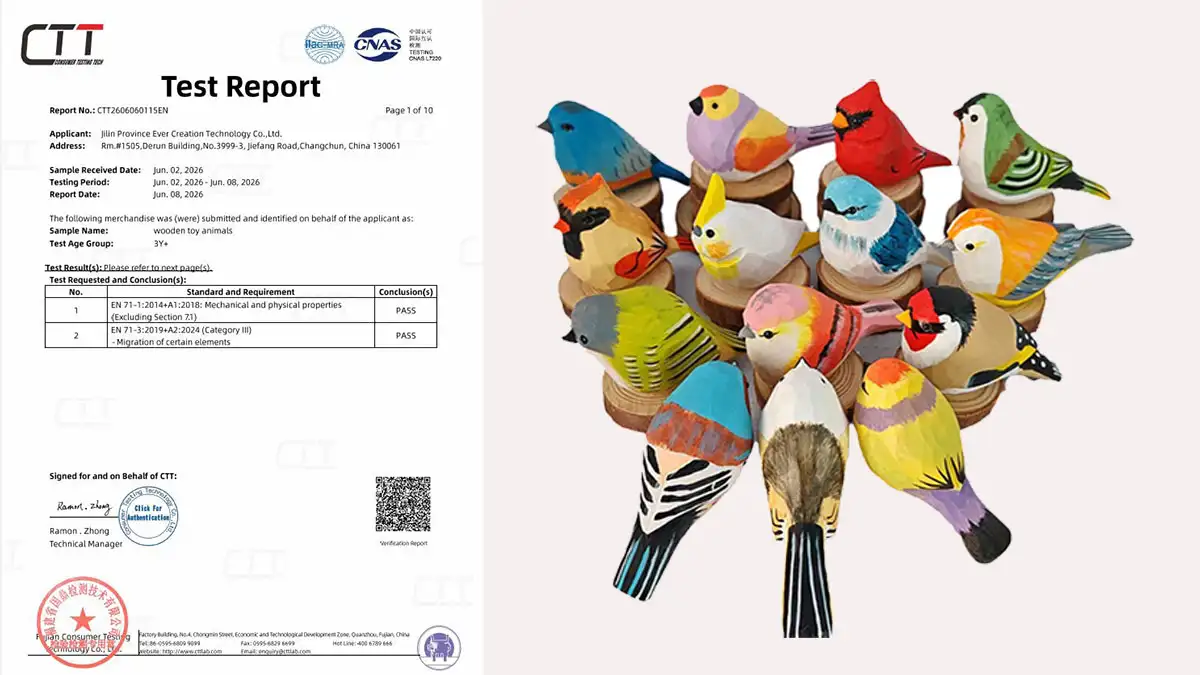
The EN71 toy-safety standard has three relevant parts for wooden learning toys. Part 1 covers physical and mechanical properties: small-parts choking hazards, sharp edges, and points. Part 2 covers flammability. Part 3 covers migration of certain elements from paints and coatings. For a wooden puzzle or stacking toy, Part 1 is the most demanding because the pieces are handled, mouthed, and dropped. Design the product so that no piece fits entirely into a small-parts cylinder, edge all corners, and test the exact retail configuration.
Designing for Montessori and Compliance Together
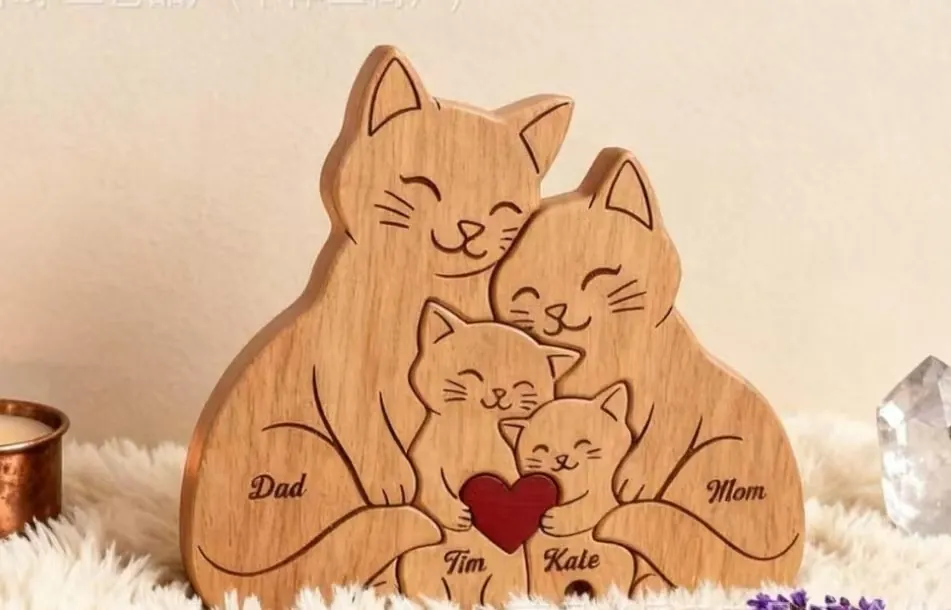
Montessori principles and toy safety are not in conflict. Natural wood, a non-toxic finish, rounded edges, and self-correcting shapes satisfy both the educational philosophy and the testing standard. The sweet spot is a product that is simple enough to pass EN71 testing and rich enough to hold a child’s attention. Avoid electronic components, which complicate compliance, and stick to solid wood with a water-based, non-toxic clear coat or stain. The wooden family puzzle format is a natural fit: large pieces, a self-correcting silhouette, and a finish that is safe to touch and mouth.
Packaging, Age Grading & the CE Mark
The packaging must carry the age grade, the CE mark, the EN71 compliance statement, the importer’s details, and any safety warnings in the language of the destination market. The age grade is the most important commercial decision: a product graded 0-3 faces the strictest testing, while one graded 3+ opens the preschool market with a manageable testing burden. The packaging should also prevent the product from being tested in-store, and it should be made of kraft or recycled board to align with the Montessori ethos. Verify the packaging claims with the supplier’s test reports and confirm the entire quality system on a factory tour before volume.
The Montessori Market & Buyer Profile
The Montessori toy buyer is informed, intentional, and willing to pay for quality. They read labels, they research brands, and they expect the product to be as simple and natural as the philosophy. Wooden learning toys that carry a verifiable species, a non-toxic finish claim, and an EN71 compliance statement win this buyer. Products that are vague or over-decorated lose them. The Montessori segment is one of the few toy categories where the packaging is part of the product: kraft boxes, paper inserts, and minimal plastic are expected, not optional.
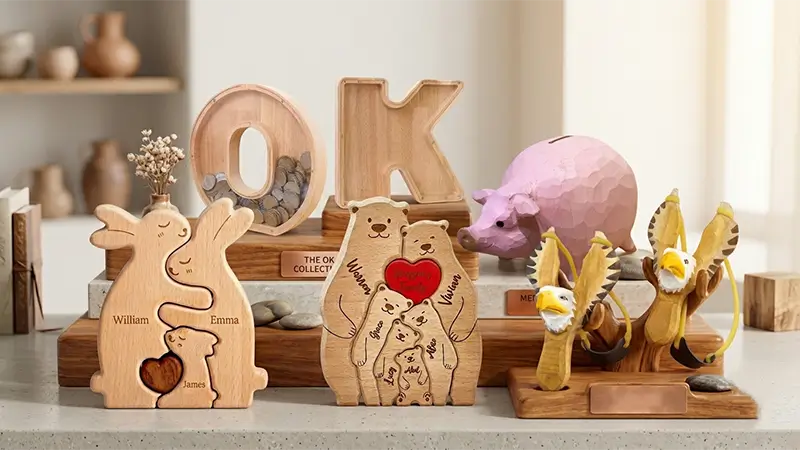
Retailers serving this market should stock a tight, curated range of proven designs rather than a broad catalogue. The buyer wants to see that the retailer has selected the best, not that they have listed everything. A wooden family puzzle line with a few complementary stacking toys and a clear, documented compliance story is the right scope for a Montessori shelf.
The Testing & Documentation Package
Build a compliance package for each SKU: EN71 parts 1-3 test reports, a species and finish declaration, the age-grade rationale, and a photograph of the finished product with its labels. This package is what a retailer, a marketplace, or a customs authority will ask for, and having it ready before the question is asked turns a compliance burden into a sales asset. The package should be updated annually or when the product changes, and it should be stored with the golden sample.
The compliance package also serves as a filter for suppliers. A factory that can produce it promptly and consistently has invested in testing infrastructure; one that cannot is either guessing or testing on your time. Choose the former and build the custom manufacturing relationship around the documentation.
The Montessori wooden toy category is a rare intersection: growing demand, a loyal customer base, and a compliance pathway that is well-defined and achievable. The importers who execute the EN71 compliance and the Montessori design together will own a category that rewards quality and punishes corner-cutting.
This pairs with our wooden piggy banks and the wider wholesale wooden crafts line for a full play-and-gift shelf. EN71 documentation looks the same for other wooden lines such as our wholesale wood carvings.
Frequently Asked Questions
Does EN71 apply to wooden learning toys?
Yes. If a product is marketed as a toy for children, it falls under EN71. Parts 1, 2, and 3 are relevant to wooden puzzles, stacking toys, and Montessori materials.
What age grade should I apply to a wooden puzzle?
3+ is common for puzzles with large pieces. It avoids the strictest testing for under-3 products while capturing the preschool market.
Can Montessori principles and toy safety coexist?
Yes. Natural wood, water-based finishes, rounded edges, and self-correcting shapes satisfy both the educational philosophy and the EN71 testing standard.
What must the packaging include?
Age grade, CE mark, EN71 compliance statement, importer details, and safety warnings in the destination language. Use kraft packaging to align with the Montessori ethos.
Should I avoid electronic components in Montessori toys?
Yes. Electronics complicate both the Montessori philosophy and the compliance testing. Solid wood with a water-based finish is simpler, safer, and easier to certify.
Source EN71-Compliant Wooden Learning Toys
Explore wooden puzzles, stacking toys, and Montessori materials with EN71 test reports, age-graded packaging, and water-based finishes for the preschool market.
Browse Wooden Family Puzzles →