Skip to content
Key Takeaways
- Choose wood over ceramic for children’s and gift channels; it survives drops that shatter glazed pieces.
- Factor freight weight: metal boxes cube out margin on shipping that wood’s lighter density avoids.
- Reserve ceramic and metal for premium adult decor; keep wood as the high-turn, low-breakage core.
Every gift retailer eventually stocks a money box, and the material choice — wood, ceramic, or metal — quietly determines your breakage claims, your freight bill, and your margin. Wooden money boxes wholesale have gained ground not because they are cheaper to make, but because they behave better in the real world of shipping, handling, and children. This guide compares the three materials on the dimensions that actually move a retailer’s bottom line: breakage, weight, safety, and perceived value.
The comparison is not about which material is “best” in the abstract. Each has a home. Ceramic wins on glossy premium decor; metal wins on durability for outdoor or industrial styling; wood wins on the combination of light weight, drop resistance, and warm gift appeal. The smart buyer stocks all three deliberately, in proportions matched to channel, rather than defaulting to whichever supplier called first.
Breakage: The Hidden Tax on Ceramic
Ceramic money boxes arrive with an implicit tax: breakage. Even well-packed glazed pieces suffer losses across ocean freight, DC handling, and store shelving, and every shattered unit is a full write-off plus a customer-service event. Wood, by contrast, dents rather than shatters; a dropped wooden piggy bank is still sellable, while a dropped ceramic one is landfill. Over a full season, the difference in breakage alone can swing the effective margin of the category by several points.
Metal avoids shattering but introduces other losses: dents and scratched finishes that downgrade a piece to clearance. Wood’s failure modes are gentler and rarer. For channels where the product is handled by children or shipped through rough last-mile networks, wood’s survivability is the decisive economic argument. Verify your supplier’s packaging with a factory inspection and a drop test so the survivability claim is documented, not assumed.
Weight & Freight: Where Metal Loses
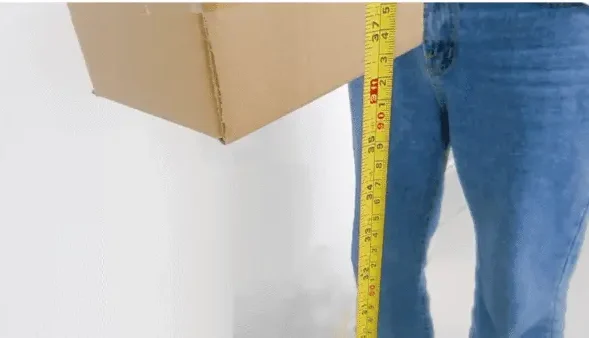
Metal money boxes are dense, and density is money in freight. A container of metal boxes hits weight limits long before it cubes out, so you pay for unused space; ceramic is similarly heavy. Wood is light, letting you fill the cube and spread freight across more sellable units. On a landed-cost basis, a wooden money box that appears marginally more expensive at FOB can land cheaper than a heavier alternative once freight is allocated per piece.

Safety & Channel Fit
Money boxes are frequently bought for children, so safety regulation follows. Wooden boxes with water-based finishes and no small detachable parts are straightforward to certify; where the item is positioned to children in the EU, the EN71 toy-safety framework applies and test reports should be requested. Ceramic adds chip hazards and metal adds sharp-edge and coating concerns. Wood’s benign failure mode makes it the lowest-friction material for the kids’ and gift channel, while ceramic and metal are better reserved for adult decor where toy rules do not apply.
Margin & the Deliberate Material Mix
Build the category as a portfolio. Stock wooden boxes as the high-turn core — they ship cheap, survive, and gift well — and carry a small ceramic and metal premium tier for adult decor shoppers who want gloss or industrial styling. This mix captures the full price ladder while concentrating inventory risk in the material with the fewest losses. Source the wooden core from a single wooden piggy bank program so finishes stay consistent, and fold it into your broader wholesale wooden crafts plan to consolidate freight. For private label, specify the material and finish up front in your custom manufacturing brief so the safety and breakage story is designed in, not bolted on.

Perceived Value & the Gift Moment
Material also shapes the gift moment. A hand-carved wooden piggy bank reads as a keepsake — something for a christening, a first birthday, or a savings milestone — while a glossy ceramic or stamped metal box reads as homeware. That perception lets wood carry a gift-grade price point and a personalization premium: engraved names and dates turn a stock item into a one-of-one, which is the highest-margin move in the category. Retailers should plan a personalization option into the wooden line from the start, because it is the feature that most reliably lifts ticket size.
Display matters too. Wooden boxes show well in natural-light gift settings and pair with other hand-carved pieces, letting you build a cohesive nursery or gift wall. Ceramic needs careful lighting to show its gloss; metal needs an industrial vignette. Wood’s warmth is the easiest to merchandise across seasons, which reduces the visual-merchandising effort per square foot.
Sourcing & Private-Label Considerations
From a sourcing standpoint, wood offers the smoothest private-label path. Carving, finishing, and engraving can all be held under one roof, so a buyer can specify a shape, a finish, and a personalization option in a single brief and receive a consistent product. Ceramic and metal typically involve different factories and longer tooling lead times for custom shapes, which raises the cost and risk of a private-label program. For a retailer building a branded money-box line, wood is the pragmatic starting point.
Whichever materials you stock, keep the category review honest: track breakage claims, freight per unit, and sell-through by material each season. The data will usually confirm the portfolio logic — wood as the reliable core, ceramic and metal as targeted premium accents — and it will tell you when a channel shifts. Use a single wooden piggy bank supplier for the core and verify finish safety and packaging on a factory tour before scaling.

Retail Display & the Money-Box Planogram
On the shelf, give money boxes a clear job. Place wooden boxes at eye level in the gift and nursery zones where they read as keepsakes, and keep the ceramic and metal premium tier grouped in a decor vignette so the materials do not compete in the same sightline. A small “why wood” shelf talker — light, drop-safe, refillable — answers the objection before a staff member is needed, and a coin in the slot of a display unit lets shoppers hear and feel the product, which materially lifts conversion on a tactile category.
Plan the planogram around the gifting calendar too. Money boxes spike at christenings, birthdays, and holidays, so keep the wooden core faced and full ahead of those moments and use the premium tier to dress the display rather than to carry volume. A disciplined planogram, matched to the portfolio logic, turns the category from a scattered assortment into a coherent, self-explaining shelf.
The material decision is ultimately a risk-allocation decision: ceramic allocates risk to breakage, metal to freight and dents, and wood minimizes both. Treating material selection as a data-led portfolio strategy — with wood as the forgiving core and ceramic or metal as targeted accents — prevents margin leaks and ensures the category quietly compounds year after year.
Frequently Asked Questions
Which material breaks least in shipping?
Wood. It dents rather than shatters, so a dropped wooden money box usually stays sellable, while ceramic shatters and metal dents or scratches. Wood has the lowest breakage-related write-offs.
Why does freight favor wooden money boxes?
Wood is light, so a container cubes out before hitting weight limits, spreading freight across more units. Metal and ceramic are dense and hit weight limits early, leaving paid-for space unused.
Are wooden money boxes safe for children?
Yes, when finished with water-based, non-toxic coatings and free of small detachable parts. Where positioned to children in the EU, request EN71 test reports. Wood’s benign failure mode adds safety.
When should I stock ceramic or metal instead?
For premium adult decor where gloss (ceramic) or industrial styling (metal) is the selling point and toy-safety rules do not apply. Keep these as a small premium tier, not the core.
How should I structure the money-box category?
As a portfolio: wooden boxes as the high-turn, low-breakage core, plus a small ceramic and metal premium tier. Concentrate inventory risk in the material with the fewest losses.
Stock Low-Breakage Wooden Money Boxes as Your Core
Explore hand-carved wooden piggy banks and coin boxes with water-based finishes, gift-ready packaging, and freight-friendly weight for gift and toy retailers.
Browse Wooden Piggy Banks →