Skip to content
Key Takeaways
- Ride the wellness wave with salt lamps and bricks positioned as ambient self-care, not mere decor.
- Serve the B2B spa channel with certified electrical components and bulk brick programs, not just retail.
- Keep claims experiential and compliant; sell ambiance and ritual, and never make unverified health-outcome claims.
Few product families have ridden the global wellness boom as smoothly as Himalayan salt. What began as a niche spa material is now a broad retail and commercial category spanning salt lamps, cooking blocks, bath products, and full halotherapy rooms. Himalayan salt wellness market growth is driven less by any single health claim than by a durable consumer desire for tangible, at-home wellness rituals. This article maps where the growth is coming from and how retailers and spa buyers can position salt products to capture it responsibly.
The category’s strength is its versatility across price points and channels. A small salt lamp is an accessible self-care purchase; a cooking block is a culinary gift; a salt-brick wall is a commercial installation. That spread lets a single supplier relationship serve impulse retail, premium gifting, and project buyers alike. Tracking the broader wellness economy, as reported by the Global Wellness Institute, helps buyers size the opportunity without overcommitting to any single format.
Where the Demand Comes From
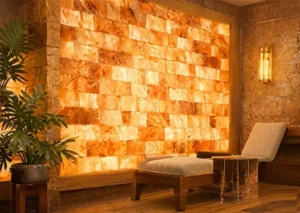
Three overlapping currents drive salt’s growth. First, the home-wellness movement: consumers recreate spa ambiance at home with lamps and diffusers, a habit cemented by years of hybrid living. Second, the experience economy: spas, gyms, and hotels add salt rooms and halotherapy as a differentiating amenity, creating a steady B2B demand for bricks and installation material. Third, the natural-living aesthetic: the warm glow and pink mineral look of salt fits the earthy, tactile interior trend, moving salt from wellness store to mainstream home decor.
Positioning Salt in Retail
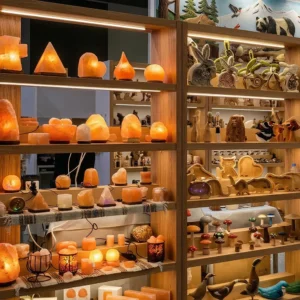
In retail, salt sells best when merchandised as ritual rather than object. Group lamps with bath salts, candles, and textiles in a “wind-down” zone, and light the display so the product glows — an unlit salt lamp reads as a rock, a lit one reads as ambiance. Keep the claim language experiential (“warm glow,” “calming ritual”) rather than therapeutic, which keeps you compliant while still tapping the wellness motivation. A coherent Himalayan salt products range lets you cover lamp, bath, and culinary formats from one source.

The B2B Spa & Halotherapy Channel
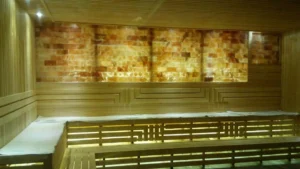
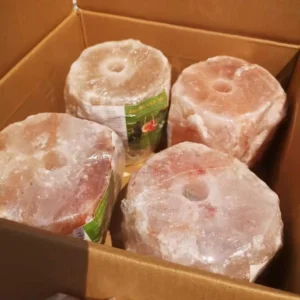
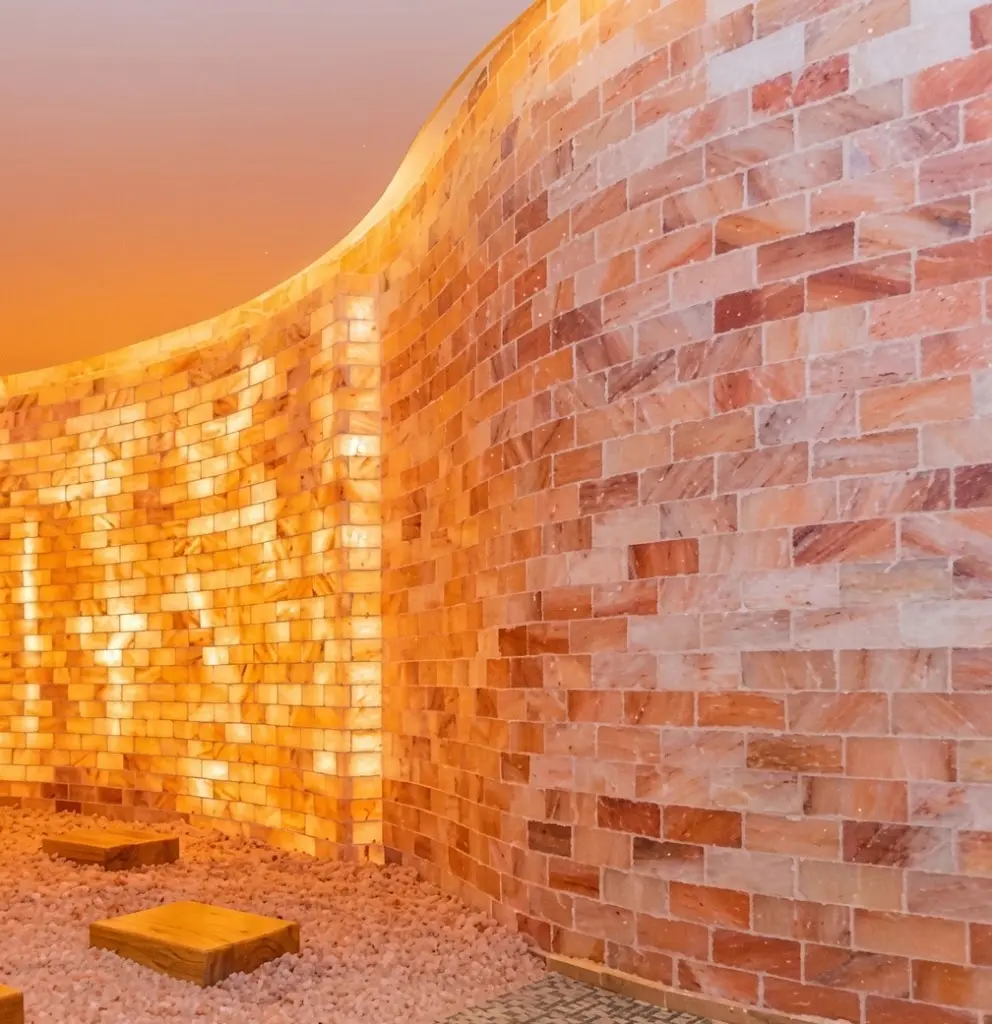
The commercial channel is where salt’s growth is most structural. Salt rooms and caves require bulk bricks, backlit panels, and reliable electrical components, and they are bought on specification and certification rather than impulse. Suppliers who can provide certified cords and bulbs, consistent brick sizing, and installation guidance win these projects. For buyers, the spa channel offers larger, repeatable orders and longer relationships than retail, but it demands documentation and consistency that only a serious custom manufacturing partner can sustain. Verify electrical certification and brick tolerance before quoting a project.
Growing Without Overclaiming
The category’s main risk is regulatory: marketing salt as a treatment invites scrutiny in most markets. The durable positioning is experiential — ambiance, ritual, and design — which is both compliant and, in practice, what customers buy. Buyers who keep claims clean protect their retail partners and their own brand, and they build a category that can grow steadily rather than boom and bust. Pair that discipline with verified sourcing and electrical safety, and salt becomes a reliable, multi-channel growth line. Confirm the supplier’s compliance posture on a factory tour before scaling.
Format Mix & the Price Ladder
Build the salt range as a ladder that mirrors the wellness customer’s journey. At the entry, small lamps and bath salts provide an accessible first purchase; in the middle, cooking blocks and larger lamps serve the committed enthusiast; at the top, brick panels and custom shapes serve gift and project buyers. Each rung should visually reference the next so customers can trade up, and the merchandising should keep the whole ladder lit so the category glows as one.
The ladder also de-risks inventory. Entry formats turn fast and fund the shelf; premium formats carry margin and anchor the display. When one format slows, the others compensate, so the category grows steadily rather than lurching with a single hero product. Review sell-through by rung each season and rebalance the mix toward the rungs that convert.
Sourcing, Seasonality & the Wellness Calendar
Salt’s demand has a gentle seasonality that rewards planning: gifting peaks in Q4, while spa and renovation projects cluster in spring and early summer when wellness venues fit out. Align orders so lamp inventory lands ahead of the gifting season and brick programs are quoted ahead of the spring fit-out window. Because salt is dense, consolidate it with lighter wooden lines in mixed containers to improve the cube and cut per-unit freight across your range.
Treat the category as a long-term wellness platform rather than a trend. The underlying desire for tangible, at-home ritual shows no sign of fading, and the commercial spa channel adds structural, repeatable demand. Buyers who combine compliant positioning, certified components, and a coherent ladder will find salt one of the most dependable growth lines on the shelf. Confirm sourcing and electrical certification through a trusted Himalayan salt supplier and a factory tour before committing to volume.
Competitive Landscape & Differentiation
The salt market is broad but unevenly differentiated. Commodity lamps compete almost on price, while the margin lives in design, certification, and program depth. Retailers can escape the commodity trap by choosing distinctive shapes and consistent color grading, by insisting on certified electrical components, and by offering a coherent range rather than a one-off SKU. In the commercial channel, differentiation comes from documentation and reliability: the supplier who can hand over certified cords, consistent bricks, and installation support wins the project regardless of a small price gap.
The through-line is clear: Himalayan salt’s market growth is real, but it rewards discipline. Buyers who position the category experientially, maintain compliant marketing claims, and insist on certified electrical components will build a highly profitable, sustainable business. Because Jilin Ever Creation’s manufacturing capabilities cover everything from retail-ready salt lamps to architectural salt bricks, you can scale your wellness assortment confidently without multiplying your vendor management burden. Partner with a reliable 21-year source, build a coherent product ladder, and turn this wellness trend into a dependable, long-term growth engine for your brand.
Frequently Asked Questions
What is driving Himalayan salt’s market growth?
Three currents: home-wellness rituals (lamps, diffusers), the experience economy (spa salt rooms), and the natural-living interior aesthetic that moves salt into mainstream decor.
How should retailers merchandise salt lamps?
As ritual, not object: group with bath and textile items in a wind-down zone and light the display so the product glows. An unlit lamp reads as a rock; a lit one reads as ambiance.
What does the spa channel require from suppliers?
Certified electrical components, consistent brick sizing, and installation guidance, bought on specification. It offers larger repeat orders but demands documentation and consistency.
Can I market salt for health benefits?
Keep claims experiential (ambiance, ritual, design) rather than therapeutic. Marketing salt as a treatment invites regulatory scrutiny; experiential positioning is compliant and durable.
Is salt a good multi-channel category?
Yes. One supplier relationship can serve impulse retail (lamps), premium gifting (blocks), and project buyers (bricks), spreading risk across price points and channels.
Capture Wellness Growth with a Full Himalayan Salt Range
Source lamps, cooking blocks, and spa bricks with certified electrical components and compliant, experiential positioning for retail and commercial channels.
Explore Himalayan Salt Products →