Skip to content
Key Takeaways
- Approve a golden sample before volume to lock colour, finish, weight, and feel in a physical reference.
- Sign, date, and photograph the sample; it becomes the binding physical specification for every reorder.
- Never accept a pre-production sample as golden; golden must come from production tooling and materials.
The gap between a pre-production sample and a production lot is where most wooden-decor defects are born. A sample hand-built by a master carver from the best board looks nothing like the 500th piece hurried through a mass-production line. Golden sample approval wholesale is the discipline that closes that gap: a single, approved, physical reference made from production tooling and materials, signed and dated, that becomes the binding specification for every subsequent shipment. This guide explains how to select, approve, and enforce a golden sample so your reorders match the product that won the business.
The golden sample is not the first sample you see, nor the prettiest. It is the one made under production conditions, after the design is frozen, that you judge to be acceptable and ship as the reference. Everything before it is development; everything after it is production. The distinction matters because a buyer who approves a pre-production sample as golden has approved a product that the factory cannot actually mass-produce.
What a Golden Sample Is and Is Not
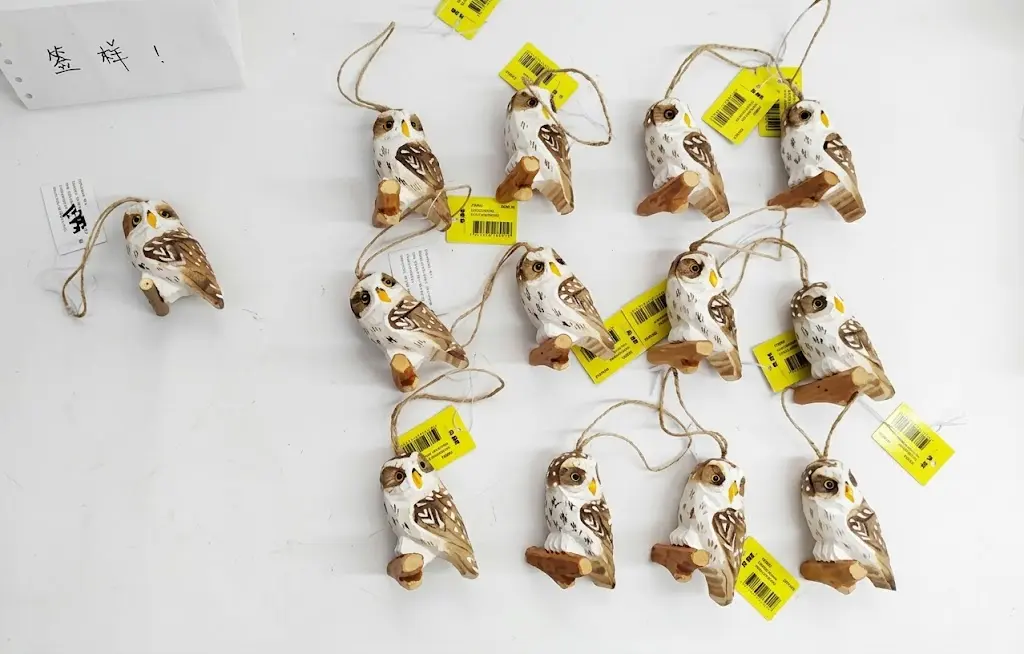
A golden sample is a physical reference made from the same tooling, same wood batch, same paints, and same finishing process that will be used in production. It is not a prototype, not a CAD render, and not a hand-finished showpiece. It must represent the average quality the factory can deliver, not the peak. The sample is the file’s physical twin: same revision number, same date, stored together. When a question arises on a reorder — the colour is slightly off, the weight feels different — the golden sample is the arbiter, not anyone’s memory.

The Approval Process: Sign, Date, Photograph
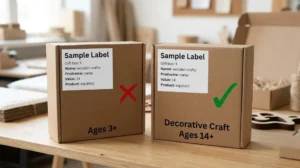
When you receive the golden candidate, inspect it against the spec sheet. Check dimensions, weight, colour under daylight, finish feel, and any branding or packaging. If it passes, sign and date it, photograph it from multiple angles on a neutral background, and store both the sample and the photos in a dated file that travels with the purchase order. The photographs are the backup; the physical sample is the primary reference. Both should survive the lifespan of the product line. For a wholesale wooden crafts program covering multiple SKUs, maintain one golden sample per design.
Enforcing the Golden Sample
The golden sample is only as strong as the clause that enforces it. Write into the purchase order that the golden sample is the quality standard, that deviations beyond an agreed tolerance are grounds for rejection, and that the factory must hold a duplicate golden sample on its side for reference. Without a duplicate, the factory is working from memory, and quality drifts. The American Society for Quality framework for supplier quality management reinforces the principle that a shared physical standard is the foundation of repeatable manufacturing. The golden sample, combined with an AQL plan, gives you a complete quality contract that is enforceable on inspection.

When to Renew the Golden Sample
Golden samples do not last forever. Renew them when the tooling or mould changes, when the wood source or finish formulation changes, or when the factory moves a line to a different facility. Also renew if the sample itself shows wear or colour shift from age. A faded golden sample is a degraded standard, and using it to judge fresh production guarantees drift. Treat the golden sample as a living reference that is reviewed and refreshed as part of your annual custom manufacturing review, and verify that the duplicate on the factory side still matches yours on a factory tour.
The Cost of Not Having a Golden Sample
Buyers who skip the golden sample pay for it in the most expensive way: at the receiving dock, when a shipment does not match the photograph that won the order. The cost of a rejected container, a rework, or a retailer chargeback dwarfs the cost of producing and approving one physical sample. Framed that way, the golden sample is not a cost centre; it is an insurance policy with a premium of a few pieces and a payout of a full production run.
The reputational cost is even larger. A retailer who receives product that does not match the sample may still accept the shipment, but they will not reorder, and they will tell their peers. In a wholesale business built on repeat orders, a single shipment that drifts from the approved sample can cost the account. The golden sample is what prevents that drift from becoming a surprise.
Batch Consistency & the Master Reference
For a line of multiple SKUs in the same wholesale wooden crafts program, maintain a master colour and finish reference that applies across all designs, and a golden sample per design. The master reference ensures that the owl and the eagle and the bear all share the same walnut tone; the per-design sample ensures that each shape is carved and finished to the same standard. Together they give the QA team a two-tier check that catches both colour drift and shape drift.
The Bottom Line: A golden sample is the simplest, most cost-effective quality system in global sourcing. It replaces subjective memory with a physical, signed, and dated contract of what “good” looks like. By actively enforcing this standard and demanding a duplicate reference on the factory floor, procurement managers can prevent silent quality drift. Partner with a manufacturer who treats the golden sample as a strict production baseline rather than a mere formality, and you transform a reactive QA process into a scalable, defensible wholesale program.
Frequently Asked Questions
What is the difference between a pre-production sample and a golden sample?
A pre-production sample is made for evaluation; a golden sample is made from production tooling and materials and becomes the binding quality reference for every shipment.
Should the factory keep a duplicate golden sample?
Yes. Without a duplicate on the factory side, the factory works from memory and quality drifts. Require it in the purchase order and verify it is current.
When should a golden sample be renewed?
When tooling, materials, or factory location change, or when the sample itself shows wear or colour shift. A degraded sample is a degraded standard.
How do I enforce the golden-sample standard?
Write it into the purchase order as the quality standard, state that deviations beyond an agreed tolerance are grounds for rejection, and pair it with an AQL inspection plan.
Can I use a photograph instead of a physical sample?
No. Photographs are a backup, not a primary reference. Colour, finish feel, and weight cannot be judged from a photo. Keep the physical sample and back it with photos.
Lock Your Specs with a Golden Sample Before Production
Work with a factory that builds golden samples from production tooling, keeps a duplicate, and treats the signed sample as the binding quality contract for every reorder.
Start a Wholesale Program →