Skip to content
Key Takeaways
- Specify brick dimensions, density, and colour grade in the purchase order before production begins.
- Plan container loading by weight, not cube; salt bricks are dense and hit weight limits before they fill a container.
- Request food-grade certification if bricks will be used for cooking surfaces or salt rooms with skin contact.
Himalayan salt bricks are not a commodity product; they are a specification-driven building material for salt rooms, spa walls, and culinary surfaces. Wholesale salt bricks buyers who treat them as a standard building material will receive bricks that vary in colour, density, and dimension. Buyers who specify their requirements in the purchase order will receive a consistent product that installs cleanly and performs predictably. This guide covers the specifications, sourcing, and container-loading logistics that wholesale buyers need to manage.
The Himalayan salt brick category serves three markets: spa and halotherapy construction, culinary surfaces for cooking and serving, and decorative wall panels for retail and hospitality. Each market has different specifications, different certification requirements, and different price points. The buyer who understands the differences can serve all three from a single supplier relationship.
Brick Specifications: Dimensions, Density & Colour
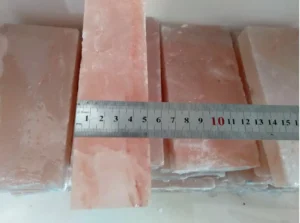
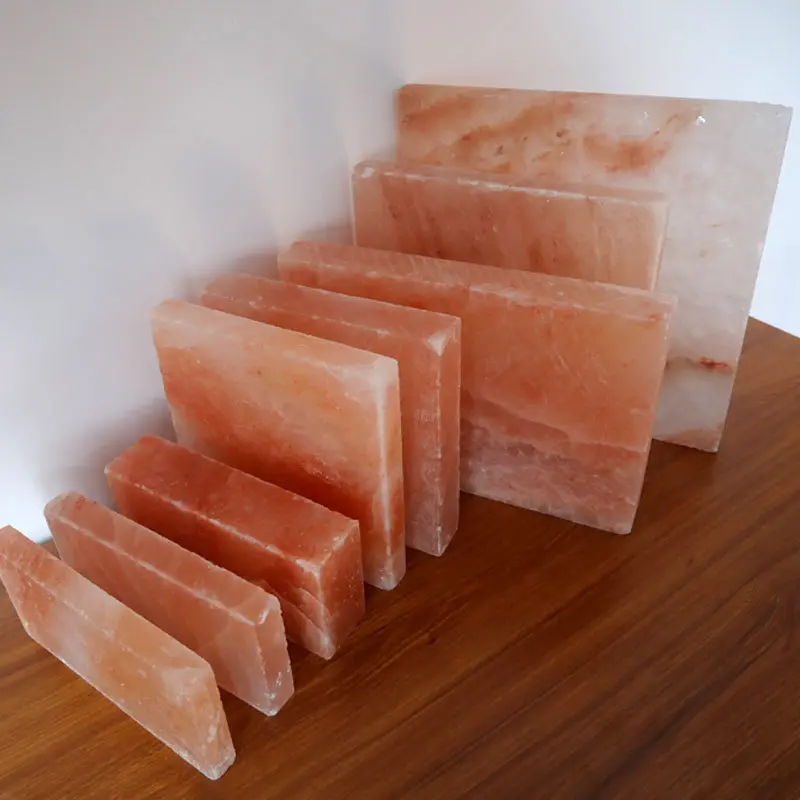
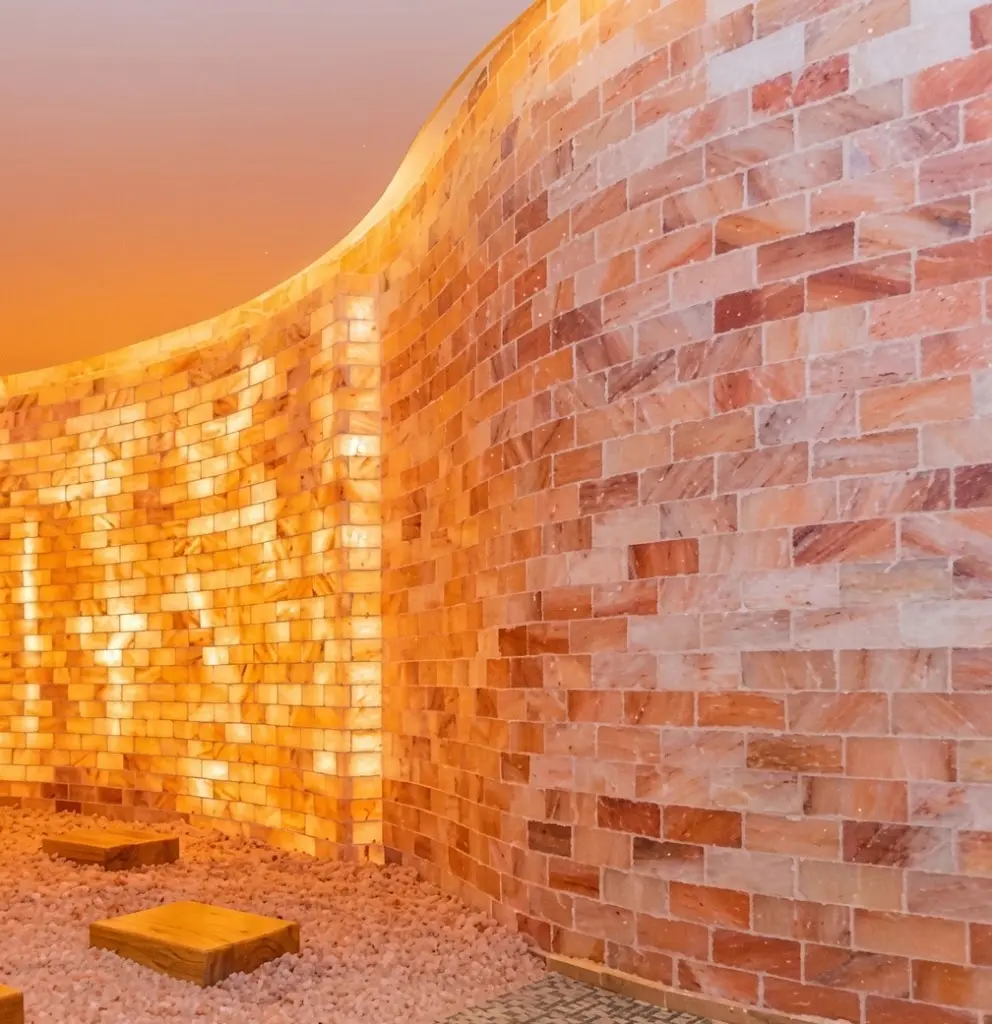
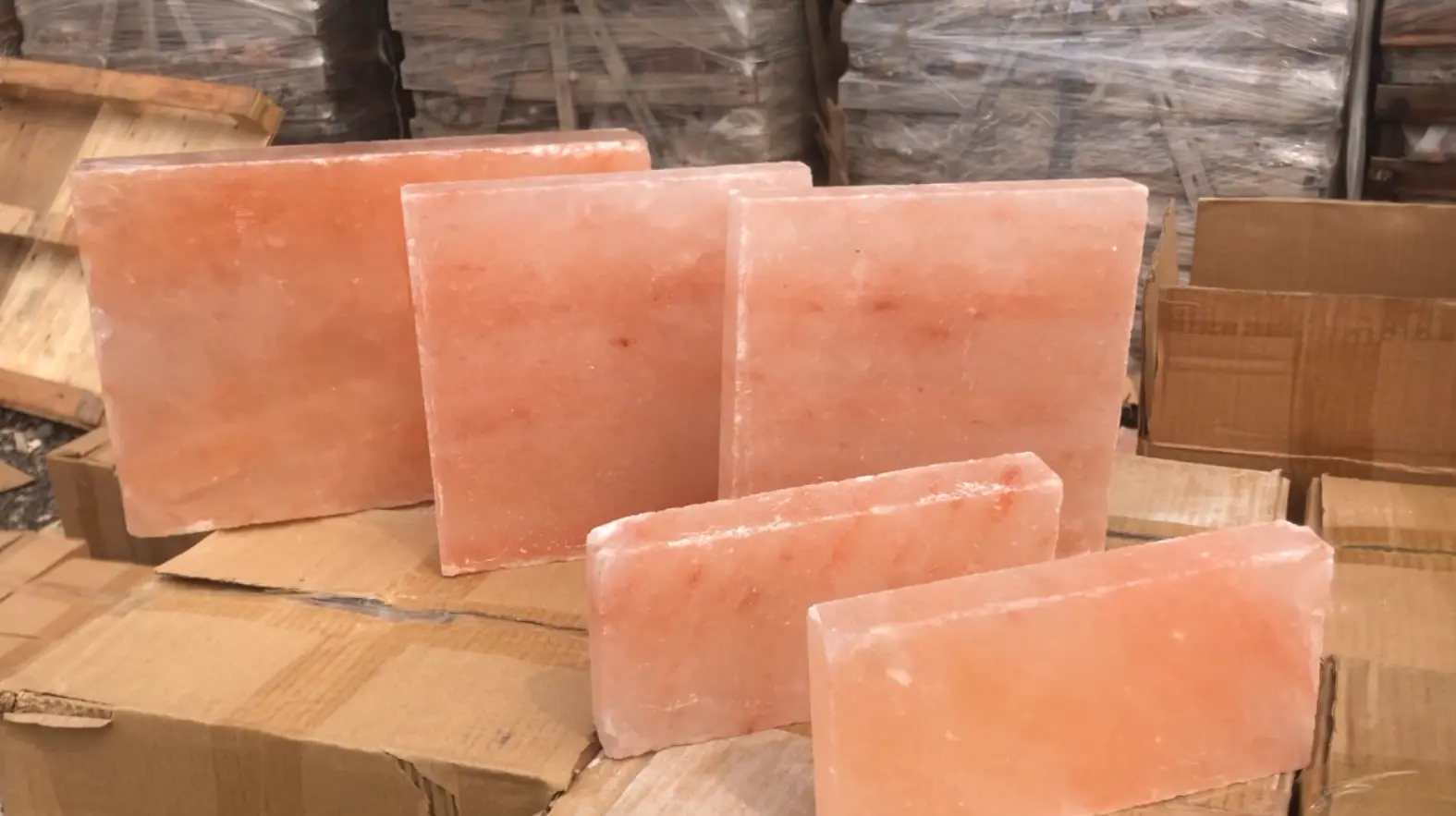
The three specifications that determine a salt brick’s performance are its dimensions, its density, and its colour grade. Dimensions must be consistent within a tolerance of plus or minus a few millimetres, because bricks that vary in thickness leave uneven gaps in a wall. Density determines the brick’s structural integrity and its light transmission for backlit walls; higher density bricks are stronger and transmit less light. Colour grade ranges from light pink to deep orange and red, and the bricks in a single wall should come from the same colour batch, because mixed batches produce a patchy wall. Specify the dimension tolerance, the density range, and the colour grade in the purchase order, and request a batch sample before production.
Food-Grade vs Decorative-Grade
Salt bricks destined for culinary use or for salt rooms where guests have skin contact must carry food-grade certification. This means the bricks have been tested for heavy metals and meet the limits for food salt in the destination market. The EU food-salt lead limit and the FSANZ limit are the two most common standards referenced. Decorative-grade bricks skip the food testing and are sold as building material for non-contact walls and displays. The certification is the only difference between the two grades; the crystal is the same. The buyer who needs food-grade bricks should specify the certification standard in the purchase order and request the test report with the shipment. The wholesale salt bricks supplier should be able to provide both grades from the same production line.
Container Loading: Weight, Packing & Moisture
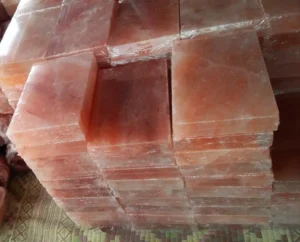
Salt bricks are dense, and a container of bricks hits its weight limit long before it cubes out. Plan the container load by weight first, then by volume. A standard container holds a specific tonnage of bricks, and the packing plan should maximise the tonnage within the weight limit. Each brick should be individually shrink-wrapped to protect against moisture, because salt absorbs humidity from the air and a damp brick arrives smaller, softer, and stained. The master cartons should be palletised and strapped, and the container should carry a desiccant. The ICC Incoterms rules determine who controls the freight and bears the risk of moisture damage; under FOB, the buyer controls the container and can specify the packing and the desiccant. The container loading plan should be reviewed with the wholesale supplier before the first shipment.
Applications: Spa Walls, Cooking Surfaces & Decor
The three applications for salt bricks require different specifications, and the buyer should match the brick to the use. Spa and halotherapy walls need consistent dimensions for clean installation, food-grade certification for skin contact, and a density that allows backlighting. Cooking surfaces need food-grade certification, a flat surface, and a thickness that can withstand thermal cycling without cracking. Decorative walls need colour consistency and can use decorative-grade bricks. The buyer who serves all three markets should stock three brick specifications from one supplier, and the purchase order should state the application so the factory grades the bricks accordingly. Verify the grading and the packaging on a factory tour before committing to volume.
Sourcing & Quality Verification
The quality of a salt brick is determined at the mine, not at the factory. The buyer should understand the source mine, the extraction method, and the grading process, because these three factors determine the colour, the density, and the consistency of the bricks. A supplier who sources from a single, consistent mine face will produce bricks that are uniform in colour and density; a supplier who sources from multiple mine faces will produce bricks that vary. Ask the supplier to name the mine and to describe the extraction and grading process. The wholesale salt bricks programme should include a mine-to-factory traceability document that the buyer can review before the first order.
The quality verification should also include a sample order before the production run. Request a sample of the bricks in the specified dimensions, density, and colour grade, and test them for the intended application. A brick that looks good in a photograph may be too soft for a cooking surface or too dense for a backlit wall. The sample is the buyer’s opportunity to verify the specification before committing to a container. The supplier who provides a sample promptly and accurately is the supplier who will deliver a consistent production run.
Finally, the salt brick category is a relationship business. The buyer who visits the mine and the factory on a factory tour will understand the quality of the source material and the capability of the processing line. The buyer who sources from a catalogue will receive what the catalogue shows, which may or may not match the specification. The salt brick category rewards the buyer who verifies, and the verification starts at the source.
The Himalayan salt brick category is a specification-driven business that rewards the buyer who defines the dimensions, the density, the colour grade, and the certification before the order, and punishes the buyer who treats the brick as a commodity. The suppliers who can grade by application, pack for moisture protection, and provide food-grade certification on request are the partners worth building a programme around. The category serves three distinct markets from a single source, and the buyers who serve all three from one supplier relationship will capture the full value of the salt brick market.
Start with a sample order, verify the specifications, and visit the mine and the factory before committing to a container. The salt brick category is a long-term, relationship-driven business, and the buyers who invest in the relationship will receive consistent, specification-grade product for years. The buyers who treat it as a transactional purchase will receive what the market gives them, which is rarely what they specified.
Frequently Asked Questions
What specifications should I include in the purchase order?
Dimensions with tolerance, density range, colour grade, and the application (spa wall, cooking surface, or decorative). Request a batch sample before production.
What is the difference between food-grade and decorative-grade?
Food-grade bricks pass heavy-metal testing and meet food-salt limits. Decorative-grade bricks skip the testing. The crystal is the same; the documentation is different.
How should salt bricks be packed for container shipping?
Individually shrink-wrapped, palletised and strapped, with desiccant in the container. Plan by weight, not cube, because bricks are dense.
Can one supplier serve all three applications?
Yes. One supplier should be able to grade bricks for spa, culinary, and decorative use from the same production line. Specify the application in the order.
Why is moisture protection critical for salt bricks?
Salt absorbs humidity and a damp brick arrives smaller, softer, and stained. Shrink-wrap each brick and use desiccant in the container.
Source Himalayan Salt Bricks to Specification
Order salt bricks with defined dimensions, density, colour grade, and food-grade certification from a supplier who grades by application and packs for moisture protection.
Explore Wholesale Salt Bricks →