Skip to content
Key Takeaways
- Choose basswood for lightweight, detailed carving; birch for strength; rubberwood for cost-effective volume.
- Specify moisture content at 8-12% for all species; a warped slingshot fork is a safety hazard, not a defect.
- Source all three species from one factory to keep finish, colour, and carving style consistent across the range.
The wood species in a slingshot is not a marketing detail; it is a performance specification. Wooden slingshot materials determine the weight, the strength, the flex, and the durability of the fork, and the wholesale buyer who understands the differences between basswood, birch, and rubberwood can specify the right material for the right price point and the right customer. This guide compares the three most common species used in wooden slingshot production, and explains which species fits which market segment.
The three species are not interchangeable. Basswood is light and carves beautifully but is softer. Birch is strong and dense but heavier. Rubberwood is affordable and consistent but lacks the grain character of the other two. The buyer who stocks all three, in a deliberate ratio, captures the full price ladder from the impulse buy to the premium gift.
Basswood: The Carver’s Choice
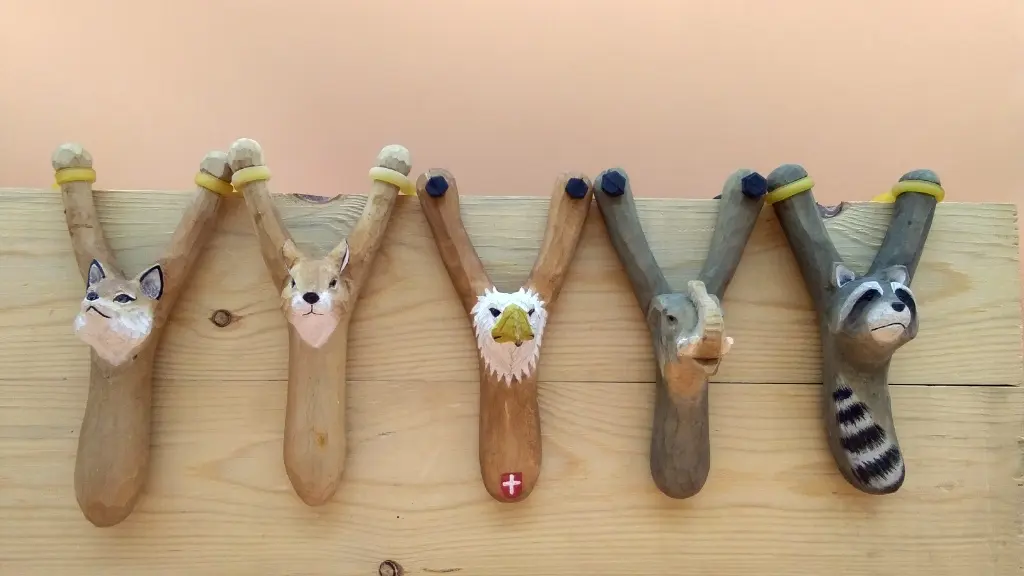
Basswood is the most popular species for hand-carved slingshots because it is light, fine-grained, and forgiving under the chisel. A skilled carver can produce complex shapes, animal forms, and decorative details in basswood that would be difficult or impossible in harder species. The wood takes paint and stain evenly, and its pale colour makes it ideal for both natural finishes and hand-painted designs. The trade-off is that basswood is softer than birch, so it is more susceptible to dents and edge wear from heavy use. For the gift and decorative slingshot market, where the piece is displayed and occasionally used, basswood is the ideal choice. For the outdoor enthusiast who uses the slingshot regularly, a harder species is better. The wooden slingshot supplier should be able to provide basswood in both natural and painted finishes, and should kiln-dry the wood to 8-12% moisture before carving.

Birch: Strength and Durability
Birch is the choice when strength matters more than carving detail. It is denser and harder than basswood, which means it resists dents, holds edges well, and can handle the repeated stress of a slingshot in regular use. Birch also has a distinctive grain pattern that looks attractive in a natural finish, and it takes oil and wax well, giving the finished piece a warm, honeyed appearance. The trade-off is weight: a birch slingshot is noticeably heavier than a basswood one, which some customers prefer and others do not. Birch is the right choice for the outdoor and sports channel, where the slingshot is a functional tool, not a decorative object. The birch should be kiln-dried to the same 8-12% moisture range as basswood, and the carving should be done with sharp tools to avoid tear-out on the harder grain.

Rubberwood: The Volume Choice
Rubberwood is the affordable, consistent option for volume production. It is a plantation species that is sustainably harvested after the tree stops producing latex, which gives it an environmental story that appeals to eco-conscious buyers. Rubberwood machines well, takes paint and stain evenly, and has a uniform density that produces consistent results across a large production run. It is lighter than birch but harder than basswood, making it a good middle ground for the standard slingshot. The main limitation is that rubberwood lacks the distinctive grain character of basswood and birch, so it is better suited to painted and stained finishes than to natural-finish products. For the promotional and gift-market volume channel, rubberwood is the cost-effective choice that still delivers acceptable performance.
Comparing Wooden Slingshot Materials for Each Channel
The right species depends on the channel and the price point. Basswood fits the gift and decorative channel, where the carving detail and the light weight are the selling features. Birch fits the outdoor and sports channel, where strength and durability justify the higher price. Rubberwood fits the volume and promotional channel, where consistency and cost matter more than grain character. The smart buyer stocks all three, merchandises them in a clear price ladder, and lets the customer choose based on the use case. The wholesale wooden crafts programme should include all three species as standard options, with the supplier able to produce each in natural and painted finishes. Verify the carving quality and the moisture control on a factory tour before committing to volume, and build the species selection into the CPSC compliance documentation for the children’s and gift channels.
Sourcing & Quality Control for Slingshot Wood
The species is only as good as the sourcing and the quality control behind it. Basswood, birch, and rubberwood all require kiln-drying to a controlled moisture range before carving, because a fork that warps after shipping is a safety hazard, not a cosmetic defect. The buyer should request a moisture-content report with each shipment, and the report should show the reading for the specific batch, not a generic certificate. While natural timber can never be completely free of knot scars, the wood must be strictly visually inspected before it enters the carving line. A knot specifically located at the slingshot fork is a structural weak point that can fail under tension, so these critical areas demand careful material selection. The wood carving factory should maintain a species-specific QC checklist that covers moisture, grain, and structural integrity, and the buyer should verify the checklist on a factory tour.
The packaging is also part of the quality specification. A slingshot fork with thin prongs can snap in transit if the packaging does not protect the prong tips. The packaging should hold the fork securely, protect the prong tips from impact, and prevent the cord from being compressed or stretched during shipping. The buyer should request a drop test on the production packaging, not a hand-built sample, because production packing is looser and faster than a sample packer builds. The drop test result should be documented and shared with the buyer before the first container ships.
Finally, the species mix should be reviewed against the sell-through data each season. If the birch sports models are outperforming the basswood gift models, shift the ratio. If rubberwood is generating returns from the outdoor channel, replace it with birch in that tier. The species decision is not a one-time choice; it is a managed portfolio that adjusts to the market. The buyers who track the data and adjust the mix will capture the full slingshot market; the buyers who set the mix once and forget it will leave margin on the table.
Finishing Options: Natural, Stained & Painted
The finish is as important as the species for the slingshot market. A natural-finish basswood slingshot showcases the carving detail and the grain, making it the ideal gift-channel product. A stained birch slingshot in a walnut or mahogany tone reads as a premium sports product, and the stain also helps mask minor grain imperfections. A painted slingshot in a bright colour or a camouflage pattern is the impulse-buy product that sells in outdoor and novelty channels. The buyer should offer all three finish options across the species range, and the supplier should be able to provide a colour-matched set of samples so the buyer can compare the finishes side by side. The wholesale wooden crafts programme should include all three finishes as standard options, with the species and finish combination specified in the purchase order.
The finish also interacts with the safety requirements. A painted slingshot marketed to children must meet the EN71 migration limits for the paint, and the buyer should request the migration test report for the exact paint system used. A natural-finish slingshot with a clear oil or wax coat must have the coat tested for the same migration limits if the product is positioned for children. The CPSC and EN71 frameworks are the reference points for the US and EU markets respectively. The buyer who builds the finish safety into the specification from the start will avoid a costly relabeling or recall later.
The finishing workflow is also a capacity constraint. A painted finish requires a painting line, drying time, and a quality check for coverage and adhesion, which adds days to the production cycle. In contrast, a natural-finish product typically requires intricate hand-carving followed by multiple machine sanding passes to achieve a smooth, high-quality tactile feel before final oiling. The buyer who plans a painted slingshot for a seasonal promotion must order earlier than for a natural-finish product, because the painting line is the bottleneck. The supplier who can demonstrate their painting capacity on a factory tour is the partner who can deliver a painted slingshot programme on time.
Frequently Asked Questions
Which wood is best for a slingshot?
Birch for strength and durability in the sports channel; basswood for detailed carving in the gift channel; rubberwood for cost-effective volume production.
Why does moisture content matter for slingshot wood?
A slingshot fork that warps after shipping is a safety hazard. Kiln-drying to 8-12% moisture before carving prevents warping and cracking in transit.
Is basswood too soft for a functional slingshot?
For occasional use, basswood is adequate. For regular use, birch is better because it resists dents and holds edges under repeated stress.
Is rubberwood a sustainable choice?
Yes. Rubberwood is harvested from plantation trees that have stopped producing latex, making it a byproduct with a lower environmental footprint than primary timber.
Should I stock all three species?
Yes. Each species fits a different channel and price point. Stocking all three captures the full market from the impulse buy to the premium sports product.
Source Slingshots in Basswood, Birch & Rubberwood
Stock the full species range from one factory, with kiln-dried wood, hand-carved detail, and natural or painted finishes for gift, sports, and volume channels.
Browse Wooden Slingshots →