Skip to content
Key Takeaways
- Mix dense salt lines with light wooden lines in one container to improve cube and lower per-unit freight cost.
- Plan the container load by weight first, then by volume; salt is dense and will hit the weight limit before wood.
- Barcode each mixed SKU and provide a detailed packing list so the receiving warehouse can process without confusion.
Freight is one of the largest single costs in wooden decor and Himalayan salt importing. It is also one of the most controllable. Mixed container loading decor is the technique of combining products of different densities, typically heavy salt bricks and lighter wooden carvings, into a single container to maximise the cube and reduce the per-unit freight allocation. This guide explains how to plan, pack, and document a mixed container so that both product lines ship together, arrive together, and receive together.
The mixed container is not a compromise; it is a freight optimisation. A container of wooden carvings alone cubes out before it hits the weight limit, leaving paid-for space unused. A container of salt bricks alone hits the weight limit before it cubes out, leaving paid-for capacity unused. A mixed container of both fills both the cube and the weight, maximising the value delivered per container. The buyer who consolidates wood and salt in one container pays less freight per unit than the buyer who ships them separately.
Planning the Mix: Weight, Cube & Ratio
The mixed-container plan starts with the container’s weight limit and the unit weights of each SKU. Salt bricks are dense and heavy per piece. Wooden carvings are light and bulky. The plan should allocate the weight budget to the salt products first, then fill the remaining cube with wooden products. A typical ratio for a container mixing salt bricks and wooden carvings is roughly 60% weight from salt and 40% from wood, but the ratio depends on the specific products and the container capacity. The ICC Incoterms rules determine who controls the freight; under FOB, the buyer books the container and plans the loading, which is the preferred approach for a mixed container because the buyer knows the full product range. The loading plan should be reviewed with the wholesale wooden crafts supplier and the salt supplier, who may be the same factory group, to confirm that both product types can be consolidated at a single loading point.
Packing the Mixed Container
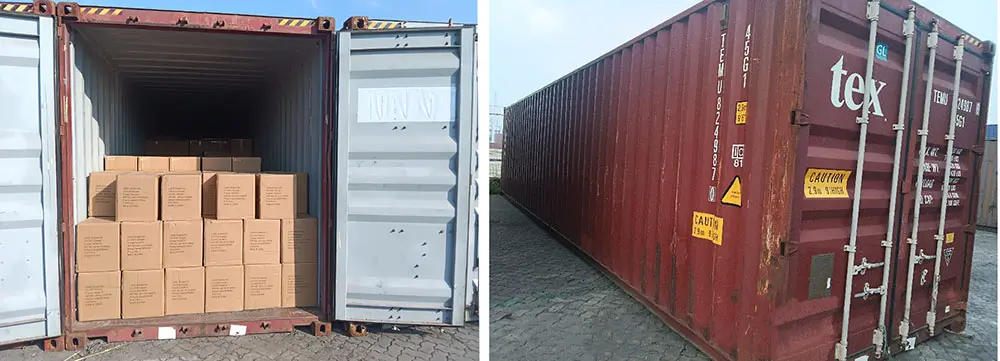
The heavy salt products should be loaded at the bottom of the container to lower the centre of gravity, and the lighter wooden products should be loaded on top. Salt products must be individually shrink-wrapped to protect against moisture, and wooden products must be packed in cartons that prevent crushing from the weight above. The salt and wood should be physically separated by a layer of dunnage or a pallet to prevent the salt dust from settling on the wooden products. A desiccant should be placed in the container to absorb moisture, because the salt will draw humidity from the air and release it into the container environment during transit. The loading should be documented with photographs and a stowage plan so the buyer can verify the loading quality without being present at the factory.
Documenting the Mixed Container
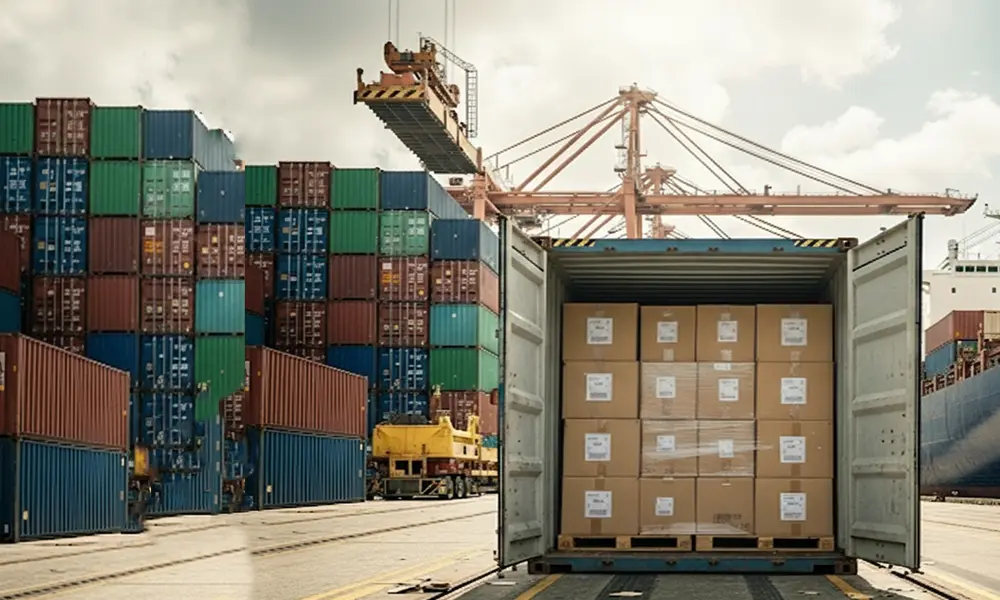
A mixed container must be documented more carefully than a single-product container because the receiving warehouse will process multiple SKUs from multiple product categories. The packing list should list every SKU with a unique barcode, the quantity, the carton count, and the location in the container. The commercial invoice should separate the salt products and the wooden products by HS code, because they may fall under different duty classifications. The customs entry should reference both the salt and the wood product classifications, and the buyer should confirm the HS codes with a customs broker before the container sails. The factory tour should include a review of the mixed-container loading process, the packing documentation, and the customs classification, because a well-documented mixed container clears customs faster than a poorly documented single-product one.
Cost Analysis: Mixed vs Separate Containers
The freight savings from a mixed container can be calculated by comparing the per-unit freight cost of two separate containers versus one mixed container. A container of salt alone carries a limited number of units because the weight limit is reached before the container is full. A container of wood alone carries a limited number of units because the cube is filled before the weight limit is reached. A mixed container carries the sum of the salt units up to the weight budget plus the wood units up to the cube budget, which is a larger total unit count than either container alone, spread across the same total freight cost. The per-unit freight saving flows directly to the gross margin of both product lines. The wholesale wooden crafts programme and the salt programme should be planned together on a single freight calendar so the mixed-container opportunity is captured on every shipment.
The cost analysis should also account for the receiving cost. A mixed container requires the receiving warehouse to process multiple product categories in one delivery, which may require more labour or different handling equipment. The cost should be estimated and compared to the freight saving. In most cases, the freight saving far exceeds the incremental receiving cost, especially if the warehouse is already set up to handle both product types. The buyer who runs the cost analysis on the first mixed container will have the data to justify the mixed-container programme for every subsequent shipment.
The mixed container also simplifies the replenishment cycle. Instead of managing two separate container schedules with two separate arrival windows, the buyer manages one container that delivers both product lines on the same timeline. The DC can plan the receiving labour once, the inventory can be updated in one batch, and the reorder cycle can be synchronised. The factory tour should include a review of the mixed-container loading process and the cost analysis, because the buyer who understands the economics of the mixed container will never ship wood and salt separately again.
Safety Separation: Keeping Salt Away from Wood
Salt dust is corrosive and hygroscopic: it draws moisture from the air and can cause corrosion or staining on wooden products if they are in direct contact. The mixed container must physically separate the salt and wood products with a moisture barrier, typically a layer of heavy-duty plastic sheeting or a full pallet-height separation. The salt products should also be individually shrink-wrapped, which provides the primary moisture barrier. The wood products should be packed in cartons that are sealed against dust ingress.
The separation should be documented in the loading plan and photographed before the container is sealed. The buyer should request a photograph of the loaded container showing the salt-wood separation before the container ships. A well-separated container arrives with both product types in sellable condition. A poorly separated container arrives with salt dust on the wooden products, which requires cleaning or discounting. The separation is not a suggestion; it is a requirement for a successful mixed container.
The mixed container is one of the simplest and most effective freight optimisation techniques available to a wooden decor and Himalayan salt buyer. The buyers who plan the mix, pack the separation, and document the paperwork will cut their per-unit freight cost and simplify their replenishment cycle. The buyers who ship wood and salt separately will pay for the unused capacity in every container they book. The mixed container is a competitive advantage disguised as a loading plan, and the buyers who adopt it will have a structural cost advantage over those who do not.
The mixed-container loading programme is a structural freight advantage that compounds with every container. The buyers who mix wood and salt, plan by weight and cube, and document the packing will have a per-unit freight cost that their single-product competitors cannot match. The advantage grows with volume, and the buyers who adopt it early will have a cost advantage that is hard to replicate.
Frequently Asked Questions
Why mix wood and salt in one container?
Wood is light and cubes out; salt is heavy and hits weight limits. Mixing both fills cube and weight, lowering per-unit freight cost.
What ratio of wood to salt should I load?
Roughly 60% weight from salt and 40% from wood, adjusted by product density. Plan by weight first, then fill remaining cube with wood.
How should salt be packed in a mixed container?
Loaded at the bottom, individually shrink-wrapped, separated from wood by dunnage. Use desiccant to control moisture.
Do mixed containers need special customs documentation?
Yes. Separate HS codes for salt and wood on the commercial invoice. Confirm codes with a broker before the container sails.
Can one factory load both wood and salt?
If the same factory group produces both, yes. If not, the goods must be consolidated at a single loading point, which requires coordination.
Optimise Freight with Mixed-Container Loading
Consolidate wooden decor and Himalayan salt products in one container, planned by weight and cube, with documented packing and customs-ready paperwork.
Explore Wholesale Programmes →