Skip to content

Key Takeaways
- Buy the surface, not the shape. Paint-ready sanding and clean cut edges decide whether customers finish in twenty minutes or complain about splinters; the spec matters more than the silhouette count.
- Pack sizes follow your event math. Bulk cartons of one shape beat mixed novelty packs for classrooms and camps; mixed sampler boxes suit subscription kits and trial tables.
- Two lanes for kits. Assemble kits in-house from bulk blanks plus your own paints and cards, or order boxed kit formats at factory terms — the decision is labour versus lead time.
- Children activities change the paperwork. When kits include art materials and target kids, paint and small-part documentation becomes the requirement, not an afterthought.
- Reorder early, reorder shallow. Blanks skip painting and cure time, so late-season reorders stay realistic — but hole-and-string specs must be locked at first order or reorders mismatch your display.
- Your margin is the activity, not the wood. Pricing power comes from instructions, themes and packaging you control; the blank itself is the cheapest component in your kit.
In This Guide
Shape Selection for Activity Sellers
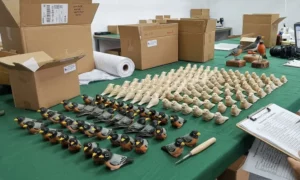
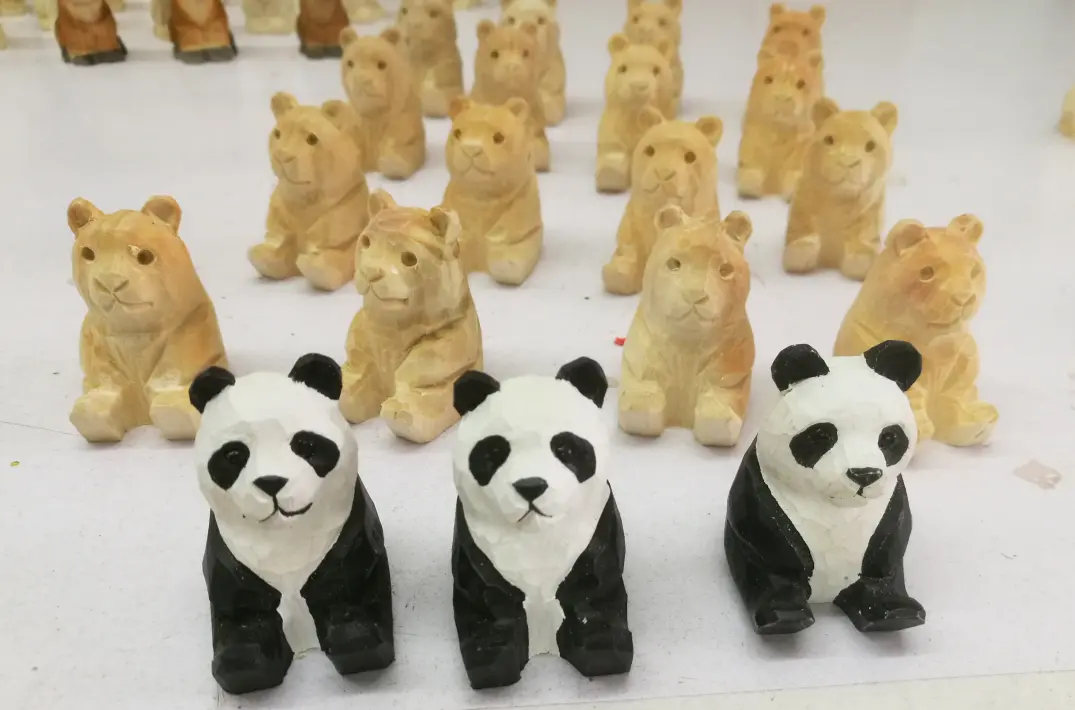
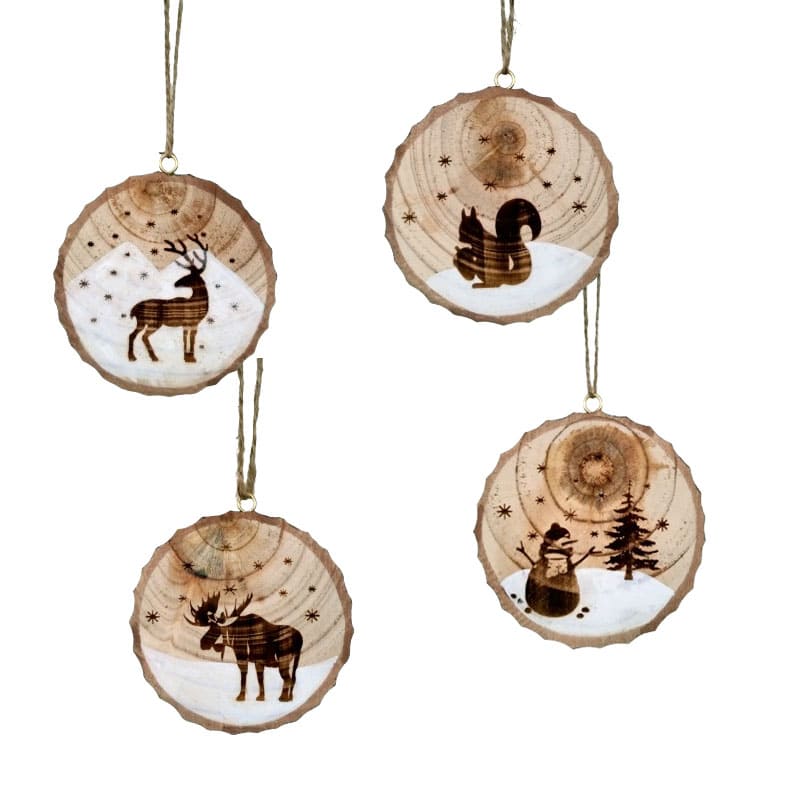
Activity buyers sort shapes by finish time, not by cuteness. Flat laser-cut shapes — stars, houses, snow families, animals in silhouette — dry fast and suit one-session classrooms. Carved blanks with real dimension, like the duck and bird shapes behind the unfinished duck blanks line, reward older makers and sell as keepsakes once painted. Natural wood slices, the pyrography classic, move the activity from paint to burn and take the kit into a different equipment lane entirely. A sensible first order takes three shapes at bulk depth rather than nine shapes at sample depth: fewer SKUs, real teaching and packing rhythm, and reorder confidence before the season peak. A simple test sorts any candidate shape: can a tired instructor hand it to a child and get a recognisable finished piece back within one session? Shapes that fail that test are shelf décor, not kit inventory, no matter how good they look in the sample box.

The Surface Spec to Put in Writing
Four lines decide blank quality and belong on the purchase order, not in a chat: both faces sanded to paint-ready smoothness; cut edges clean of char and sharp grain; moisture held low enough that pieces stay flat through a heated classroom winter; and a fixed hole-and-string position identical across the run. Verify all four the way any buyer should — paint ten pieces yourself before the bulk ships and compare them against the approval sample you keep. The construction detail behind carving quality is covered in the hand-carved versus laser-cut guide, and the same golden-sample discipline an activity buyer uses is what factories keep for production comparison.
Pack Sizes and Carton Logic
Bulk cartons arrive by the hundred per shape, which maps neatly to institutional sales: a classroom pack is one carton serving many students, a camp kit takes a whole carton divided by session week. Mixed sampler cartons, where several shapes share a case, suit subscription boxes and trial tables — the buyer experiments across silhouettes before committing a reorder to one. Decide early whether string ships pre-threaded or loose: pre-threading costs per-piece labour you may not want paying for a classroom pack, but a market kit selling as gift-ready wants the loop tied at the factory. Counting discipline prevents the worst programme embarrassment — an empty activity table with one shape left — so reorder each shape on its own pace rather than as a carton set.
Assemble In-House or Order Kit-Ready
Two lanes, decided by whether your labour or your calendar is tighter. In-house assembly: buy blanks in bulk cartons, add your own paints, brushes, instruction cards and theme packaging at your bench — maximum control, custom seasonal themes, no new supplier minimums, and the card copy stays your competitive voice. Factory kit-ready: order boxed kit formats with defined contents, which removes weeks of assembly labour before a peak but commits you to fixed contents and separate print minimums for artwork. Most growing sellers start in-house and move the best-selling single kit format to factory boxing once volume proves the minimum out.

Safety Notes for Children-Facing Kits
An ornament blank is a decorative wood article; a box of blanks plus paints aimed at children is a craft activity set, and in most markets activity sets for kids carry expectations: paints documented to the relevant standard for the destination, age-grading stated honestly on the pack, small-part and string-length checks for under-threes, and edges verified as child-safe after handling. Requirements differ by market and age band, so confirm applicable standards with a compliance specialist before labelling for children — the paint-side picture is explained in the EN71 non-toxic paint guide. The low-risk default that still sells: larger blanks, simple string loops, washable paints, and age guidance printed on the box front.
Kit Economics Without a Price List
Build your own kit margin sheet with three inputs you control and two you ask the supplier for. Yours: the activity price your market already pays for a paint-session, your assembly minutes per kit, and your card-and-box print run cost. Supplier-side: the per-unit bulk rate at your realistic quantity step, and the freight share for a carton that is light but bulky — wood blanks ship on volume weight, so carton dimensions matter more than weight in your landed calculation. The structural insight for craft sellers is pricing power: the blank is the cheapest component in the kit, while instruction design, theme naming and packaging are where your margin and your brand live. The sheet worth building before your first order: price per seat you can charge, kits per event, blanks per carton, and the number of events your calendar can actually run — those four numbers decide your real annual quantity, and the real annual quantity is what turns a per-order MOQ conversation into a programme conversation worth having with the factory.
Reorder Rhythm Through the Season
Plain blanks carry a calendar advantage no painted SKU has: with no paint line, cure time or gift-box assembly in the path, reorder-to-delivery stays realistic deep into the season, which is what lets market sellers restock a best-selling shape mid-run rather than freezing the assortment in August. Lock the first order in the planning window, keep a one-carton buffer of your two proven shapes, and place reorders when sell-through crosses half, not when the carton is empty. For sellers who also run stalls, the merchandising and sell-through discipline for activity tables is laid out in the craft fair booth guide, and the volume-terms logic sits in the MOQ negotiation guide.
anks
If you are building a paint-your-own or pyrography programme and want shape options, surface specs and bulk carton terms mapped to your session calendar, our team can put that supply plan together with you.
Request a Wholesale Quote →Frequently Asked Questions
What MOQ applies to bulk unfinished wood ornaments?
Standard custom runs start at 300 units per shape at Ewoodarts. Catalogue blanks in current shapes can start lighter than fully custom designs, and plain-blank runs carry the shortest lead times in the Christmas category.
What makes a wood blank paint-ready?
Both faces sanded smooth, cut edges clean of char, low moisture so pieces stay flat, and a consistent hole-and-string spec across the run. Paint ten pieces against the approval sample before the bulk order ships.
Should craft businesses assemble kits or buy them boxed?
Start in-house with bulk blanks plus your own paints and cards — maximum control, no extra minimums. Move proven formats to factory boxed kits when volume justifies fixed contents and artwork runs.
Do children craft kits need extra safety work?
Yes. Included paints need documentation matched to the destination standard, age grading printed on the pack, and small-part and string checks for young children. Confirm applicable requirements with a compliance specialist.
How late in the season can blanks be reordered?
Farther than any finished decoration, because the painting, cure and gift-box steps are absent — the practical answer is when half your stock has sold, not when the last carton empties.
Sources
Children-product safety expectations for craft sets: EU toy safety requirements. Confirm current rules for your destination market with a compliance specialist before labelling activity kits for children.