Cooking vegetables on a heated Himalayan salt block enhances their natural flavor while imparting a clean mineral depth that traditional pans can’t replicate. The technique uses the block’s even heat and subtle salinity to create crisp, well-seasoned results with minimal effort. In this guide, we compare asparagus and zucchini—examining how each cooks, how their textures and flavors respond to searing, and which is best suited to your menu and cooking approach.
Asparagus vs. Zucchini: Key Differences at a Glance
When choosing which vegetable to cook on a Himalayan salt block, understanding how asparagus and zucchini respond to heat allows for better control over flavor and texture. The table below compares their behavior under roasting and searing, highlighting differences in texture, taste, cooking time, and seasoning approach.
| Feature | Asparagus | Zucchini |
|---|---|---|
| Texture after cooking | Crisp-tender with a light snap | Soft yet slightly firm |
| Flavor profile | Delicate, earthy, with gentle salt notes | Mild and subtly sweet with mineral balance |
| Cooking time on salt block | Approximately ten minutes | About five to seven minutes |
| Recommended seasoning | Olive oil and freshly ground pepper | Light oil coating with herbs such as thyme |
| Preferred cooking method | Roasting or grilling on a preheated block | Quick searing or light grilling on the block |
What Is Asparagus on a Himalayan Salt Block?
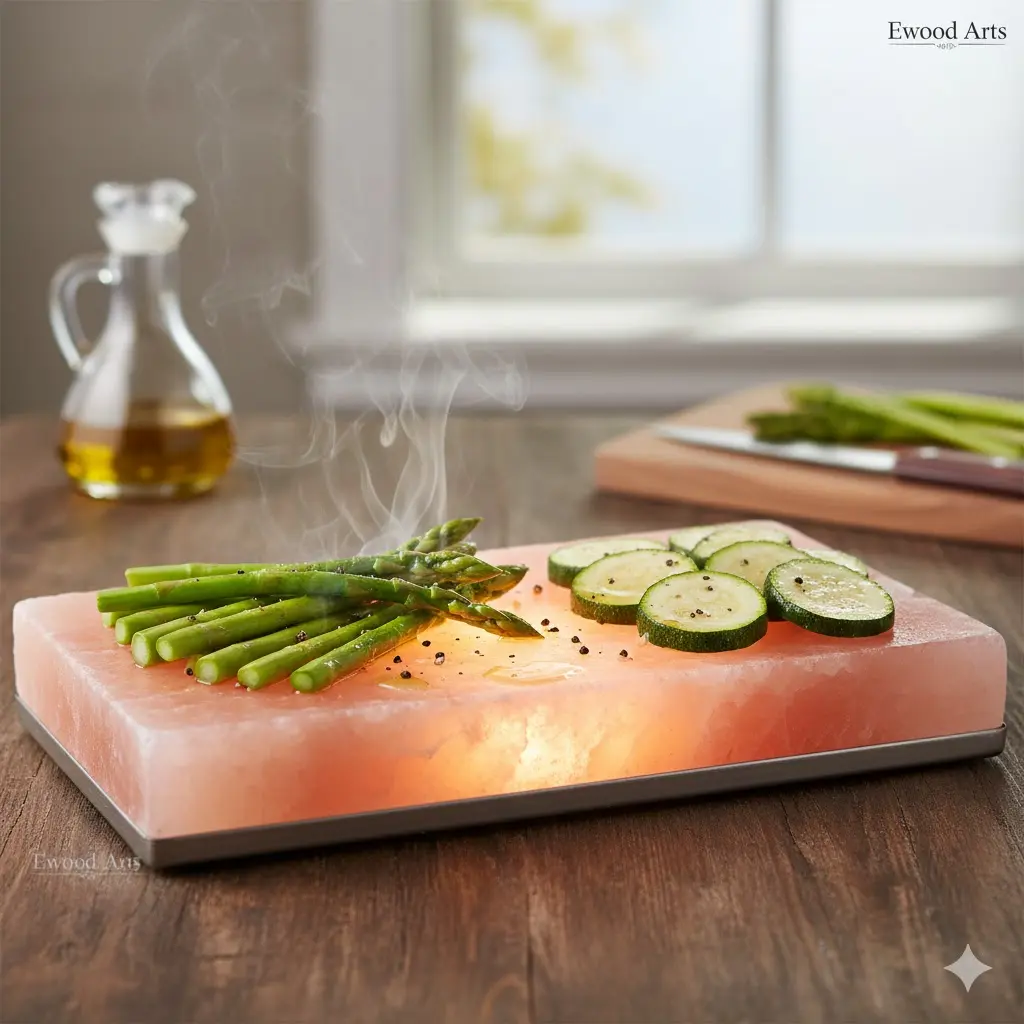
Cooking asparagus on a Himalayan salt block produces a crisp yet tender side dish with a clean, mineral edge seldom achieved with conventional cookware. As the block heats, it naturally seasons the spears while retaining their moisture. The key is a brief, high-heat sear—enough to achieve gentle charring without drying the vegetable.
The result is a light, flavorful side that pairs seamlessly with grilled meats, seafood, or other salt block specialties such as potatoes or zucchini. This method keeps cleanup minimal and presentation refined, whether served directly from the block or drizzled with olive oil before plating.
Flavor and Texture Advantages of Asparagus
Asparagus excels on a salt block because of its even cooking and enhanced flavor depth. The block’s mineral composition provides stable, radiant heat that lightly caramelizes the exterior while preserving a delicate snap inside.
- Develops a crisp-tender texture with subtle surface char when cooked on a properly heated salt block.
- Absorbs gentle salinity that enhances its natural earthiness without overwhelming other flavors.
- Requires only minimal seasoning—olive oil and freshly ground pepper emphasize purity of taste.
For the most consistent outcome, preheat the salt block gradually before arranging the asparagus. Rotate the spears once midway through cooking for balanced searing, and serve immediately to highlight their peak texture and flavor.
What Is Zucchini on a Himalayan Salt Block?
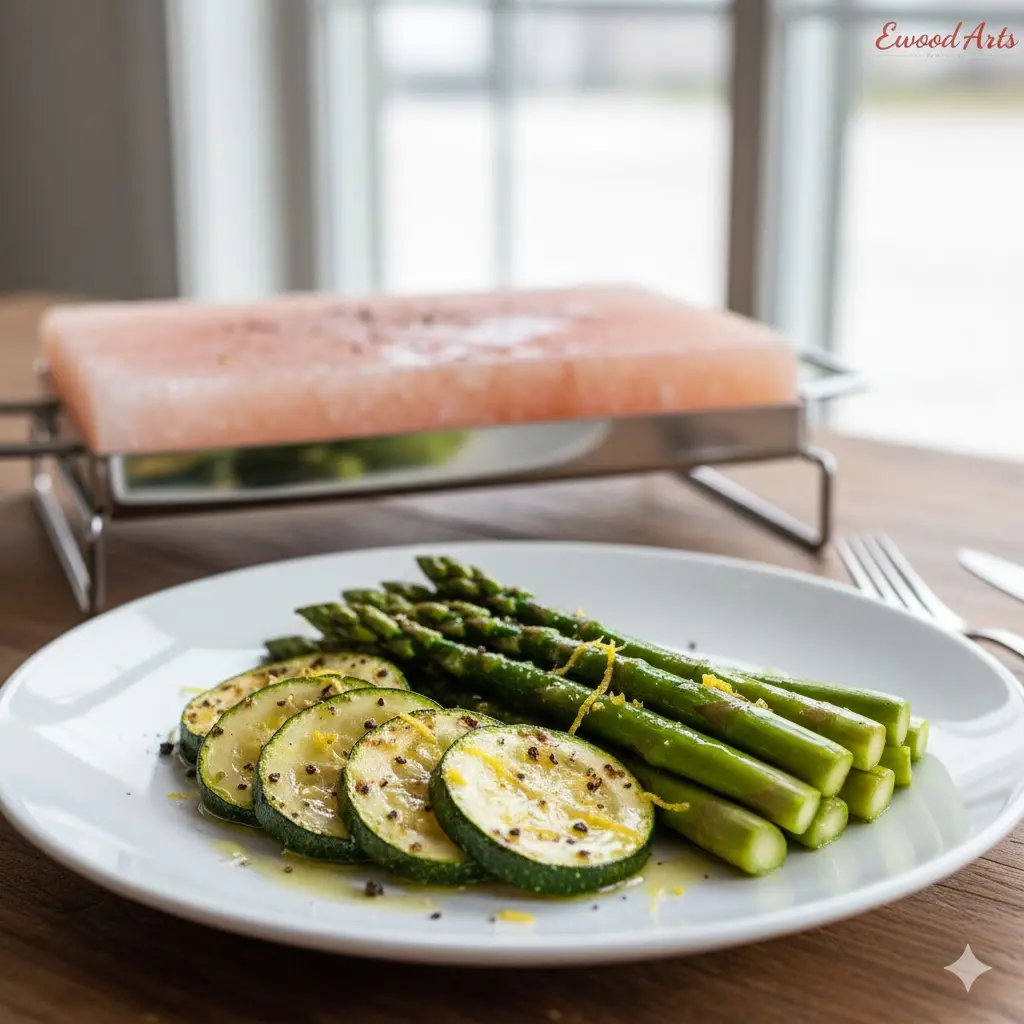
Cooking zucchini on a Himalayan salt block delivers a quick, consistent sear that enhances its natural sweetness and texture. The block’s radiant heat caramelizes the surface while gently seasoning each slice with balanced mineral depth. With proper temperature control and timing, zucchini retains firmness and moisture, making it a reliable choice for fresh, flavorful side dishes.
Culinary Advantages of Zucchini on a Salt Block
When seared or grilled on a salt block, zucchini develops a tender yet slightly crisp finish. Its mild flavor readily absorbs the block’s subtle saltiness, which pairs well with light coatings of olive oil and complementary herbs such as thyme or oregano. Turning the slices once midway through cooking prevents moisture loss and maintains the vegetable’s bright, clean character.
Its brief cook time makes zucchini ideal for efficient preparation—suited to both professional kitchens and home grilling. It blends seamlessly with meats, seafood, or other vegetables like peppers and corn, adding color and balance to the plate with minimal effort. This combination of speed, texture, and refined seasoning is why salt block–grilled zucchini remains a staple for versatile, well-executed sides.
Premium Himalayan Salt Blocks for B2B Culinary Excellence
Partner with Jilin Ever Creation for authentic pink Himalayan salt blocks sourced from the Khewra Salt Mine. These blocks enhance grilled vegetables like asparagus, zucchini, and peppers while achieving crisp sears on potatoes, corn, and mushrooms. Designed for hospitality, restaurant, and retail use, each order supports customized sizing, private labeling, and secure global delivery with flexible minimums.
Cooking Techniques: Asparagus vs. Zucchini on Salt Blocks
Temperature and Timing Guidelines
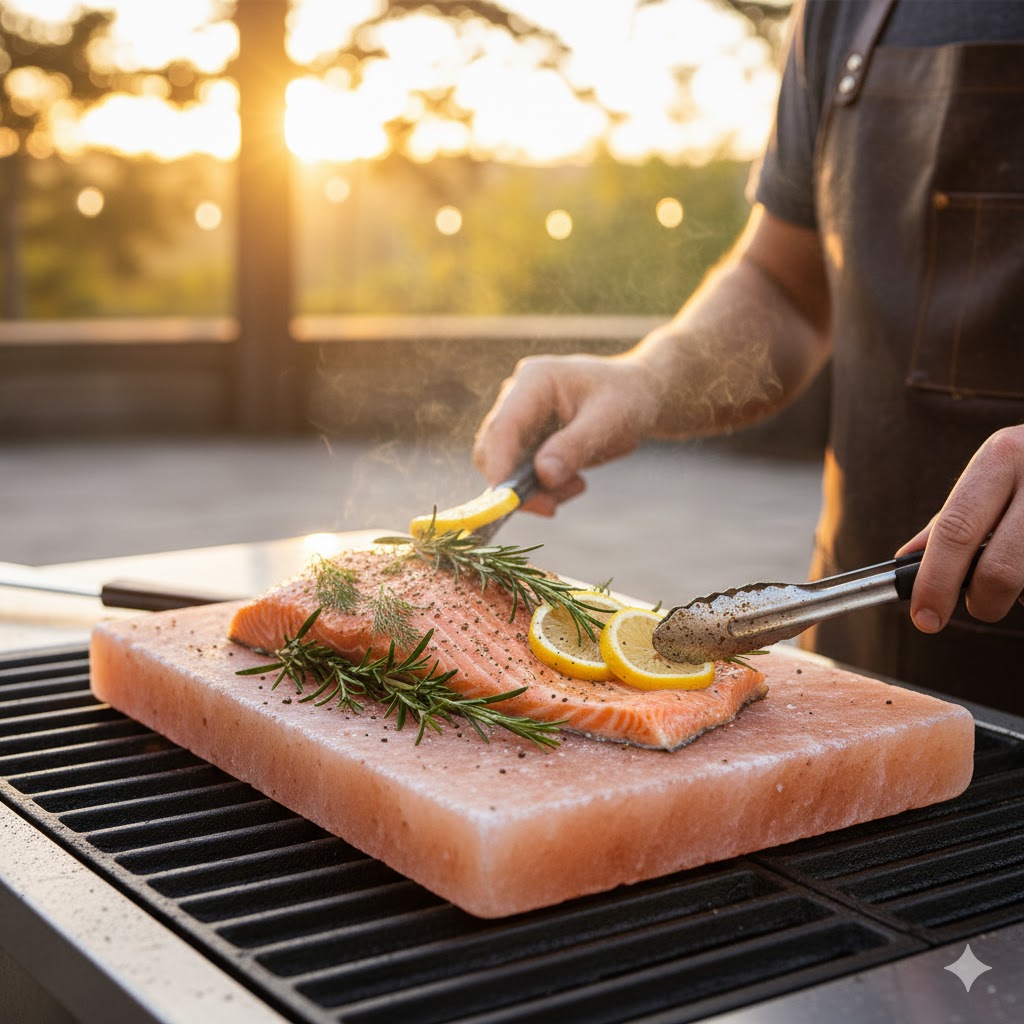
Successful salt block cooking depends on precise heat management. Always heat the block gradually—start on low and raise the temperature slowly until it reaches cooking range. This prevents cracking and ensures even thermal distribution across the surface.
Asparagus responds best to about ten minutes on a moderately hot block, producing a crisp-tender texture and balanced salinity. Zucchini, being more delicate, cooks quicker—around five to seven minutes total. Sear each side briefly to preserve firmness and prevent excess moisture loss. For both vegetables, limit surface contact to achieve flavor depth without over-salting or softening.
Seasoning and Preparation Essentials
Because the salt block imparts its own seasoning, restraint is key. Lightly brush the asparagus and zucchini with oil rather than coating the block itself. This prevents sticking and controls salt absorption. Choose high smoke-point oils such as avocado or grapeseed to encourage even browning and crisp edges.
Use herbs and aromatics to complement rather than dominate the flavor. Fresh thyme or oregano pairs well with zucchini, while lemon zest and cracked black pepper enhance asparagus. Avoid adding extra salt or heavy marinades—the natural interaction between vegetables and the mineral block already creates a well-balanced result. Serve immediately to highlight the contrast between seared exteriors and tender interiors.
Health and Flavor Impact: Asparagus vs. Zucchini on Himalayan Salt Blocks
Cooking vegetables such as asparagus and zucchini on a Himalayan salt block enhances both taste and nutrition. The quick, high-heat sear helps the vegetables preserve vitamins and moisture while introducing a subtle mineral depth. Because the block seasons through direct contact, additional salt or heavy sauces are unnecessary for developing a rich, balanced flavor.
Asparagus maintains its antioxidants, along with vitamins A and C, when seared briefly on the salt block, resulting in a crisp, vibrant texture. Zucchini—naturally high in fiber and water content—softens into a tender, mildly smoky bite under the same conditions. Both vegetables achieve a cleaner, more defined flavor compared to those cooked in conventional pans or ovens.
This method aligns well with health-conscious cooking practices. It naturally moderates sodium while retaining key nutrients through minimal exposure time. The outcome is a refined side dish that feels flavorful and satisfying while supporting a lighter, nutrient-rich diet.
Selecting the Right Himalayan Salt Block for Vegetable Cooking
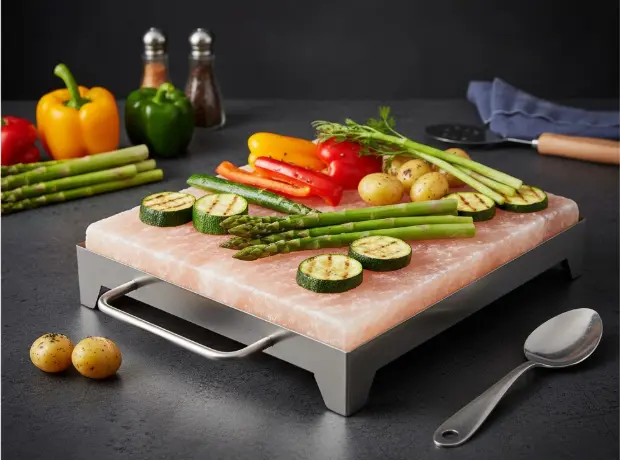
Choosing an appropriate Himalayan salt block greatly influences results when grilling or searing vegetables such as asparagus, potatoes, zucchini, or peppers. A mid‑weight block—around two inches thick—provides stable, even heat transfer without becoming cumbersome. This thickness keeps temperature consistent across the surface, allowing brief, controlled searing that preserves crispness and prevents excess moisture absorption.
Authentic pink Himalayan salt from the Khewra Salt Mine is prized for its trace minerals and structural integrity. These blocks tolerate high heat and impart a clean, mineral note that enhances roasted or seared vegetables. With proper heating and care, a quality block offers years of reliable performance for both hot and chilled applications.
Using accessories such as stainless‑steel holders, trays, or heat‑resistant stands enhances safety and handling efficiency. They simplify movement between grill and table, reduce thermal stress, and protect the block from cracking. Together, these details make vegetable cooking on a Himalayan salt block both precise and visually refined.
Frequently Asked Questions About Himalayan Salt Block Side Dishes
How can I keep vegetables from becoming too salty?
Reduce the time vegetables remain on the salt block. A brief, high-heat sear builds flavor without excessive salt absorption or moisture loss. For softer vegetables such as zucchini or peppers, use slightly thicker slices to moderate salt transfer.
Should the vegetables or the salt block be oiled before cooking?
Always brush a light layer of oil on the vegetables, not the salt block. Oiling the block can cause uneven heating and reduce its longevity. A thin coating on asparagus, corn, or mushrooms supports even searing and prevents sticking.
What temperature range is best for cooking vegetables on a salt block?
Heat the block gradually to approximately 400–500°F before placing the vegetables on it. This temperature range enables quick searing that keeps zucchini, potatoes, and peppers firm while developing light caramelization and balanced seasoning.
Can vegetables and meat be cooked together on the same salt block?
It’s best to cook them separately. Salt blocks retain some flavors from proteins, which can transfer to vegetables. Use distinct areas of the block or clean and reheat it between batches to preserve both taste and food safety.
Which vegetables are not suitable for salt block cooking?
Leafy greens and high-moisture vegetables like spinach or cucumbers are not ideal for salt block cooking, as they wilt and release excess liquid. Firm vegetables such as potatoes, corn, bell peppers, and asparagus perform best under direct heat and maintain their texture.
Final Thoughts
Cooking vegetables such as asparagus and zucchini on a Himalayan salt block highlights how fine control over heat and timing defines flavor. Asparagus offers a crisp, earthy bite that intensifies with a slightly longer roast, while zucchini cooks quickly, maintaining a tender texture and subtle sweetness ideal for lighter meals.
Adjust surface contact and temperature to achieve balanced seasoning and ideal texture. Just a few minutes of difference can determine whether vegetables turn limp or emerge perfectly seared—transforming simple ingredients into standout sides.
For chefs focused on consistency, presentation, and mineral-rich flavor, premium Himalayan salt blocks from Jilin Ever Creation provide lasting performance and refined results across professional kitchens.
Experience the quality firsthand with our trial order – an easy way to test these high-margin products with just a $500 investment. Get in touch to start your trial order today!