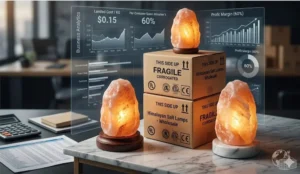
Grilling surfaces like Himalayan salt blocks and pizza stones each offer distinct cooking advantages. A salt block naturally seasons food while it sears, adding subtle mineral depth, whereas a pizza stone ensures crisp, evenly browned crusts through steady heat distribution. This guide explains how both options perform in flavor, heat retention, maintenance, and durability—helping you select the ideal surface for your next grill or bake session.
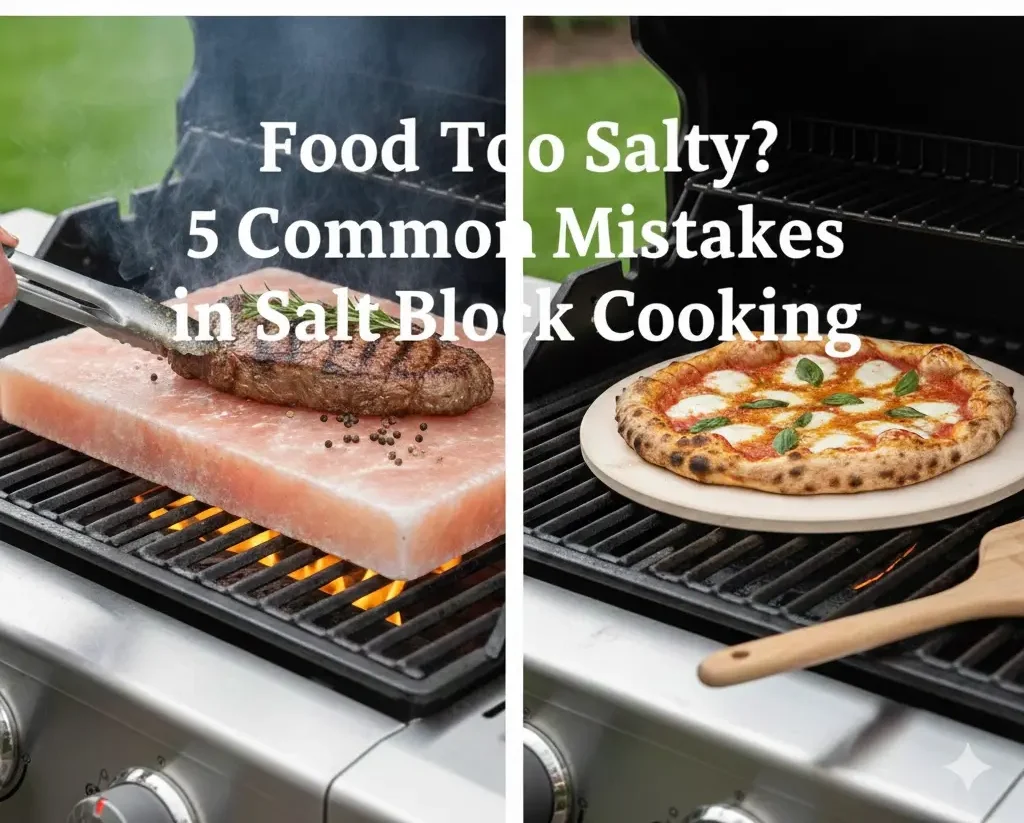
Himalayan Salt Block vs. Pizza Stone: Core Differences at a Glance
Both tools enhance your grilling results, yet each aligns with a distinct cooking approach. The comparison below highlights how a Himalayan salt block and a pizza stone differ in function, durability, heat performance, and flavor contribution, helping you select the one that best supports your cooking style.
| Feature | Himalayan Salt Block | Pizza Stone |
|---|---|---|
| Primary Use / Function | Used for direct cooking and searing, providing gentle salt infusion that naturally seasons food during grilling. | Ideal for baking pizza and bread on the grill or in the oven, delivering steady heat for evenly cooked, crisp crusts. |
| Material Composition | Carved from natural pink halite rock from the Khewra Salt Mine, containing trace minerals that influence both flavor and color. | Constructed from ceramic, cordierite, or soapstone, engineered for excellent heat retention and structural durability. |
| Durability & Maintenance | Fragile and sensitive to rapid temperature changes; should be cleaned by scraping when cool—never rinsed with water. | Highly durable for frequent use; resists thermal shock and cleans easily with a dry brush or damp cloth. |
| Heat Handling | Requires slow, gradual heating to avoid cracking but retains heat effectively once warmed, ideal for precise searing. | Handles rapid preheating and maintains consistent, high heat throughout extended cooking sessions. |
| Flavor Impact | Adds a delicate, balanced saltiness that enhances meats and vegetables; prolonged contact can intensify flavor. | Neutral in taste; results depend entirely on temperature control and ingredient quality. |
Understanding the Himalayan Salt Block for Grilling
The Himalayan salt block is more than a cooking surface—it’s a solid slab of mineral-rich salt that reshapes how food grills and tastes. When heated, it sears meats, seafood, and vegetables while imparting a subtle, naturally mineralized salt flavor. Highly valued for both function and presentation, it serves as a cooking base and an elegant serving piece. Unlike ceramic or cordierite stones, a salt block acts as both cookware and a seasoning medium, requiring careful temperature control and gentle maintenance.
Origin and Composition of Himalayan Salt Blocks
Himalayan salt blocks are cut from dense pink halite extracted from the Khewra Salt Mine in Pakistan’s Punjab region. These ancient salt deposits formed as prehistoric seas evaporated millions of years ago, leaving behind pure salt crystals enriched with trace minerals such as iron and magnesium. These elements create the block’s distinct pink hue and subtle flavor complexity.
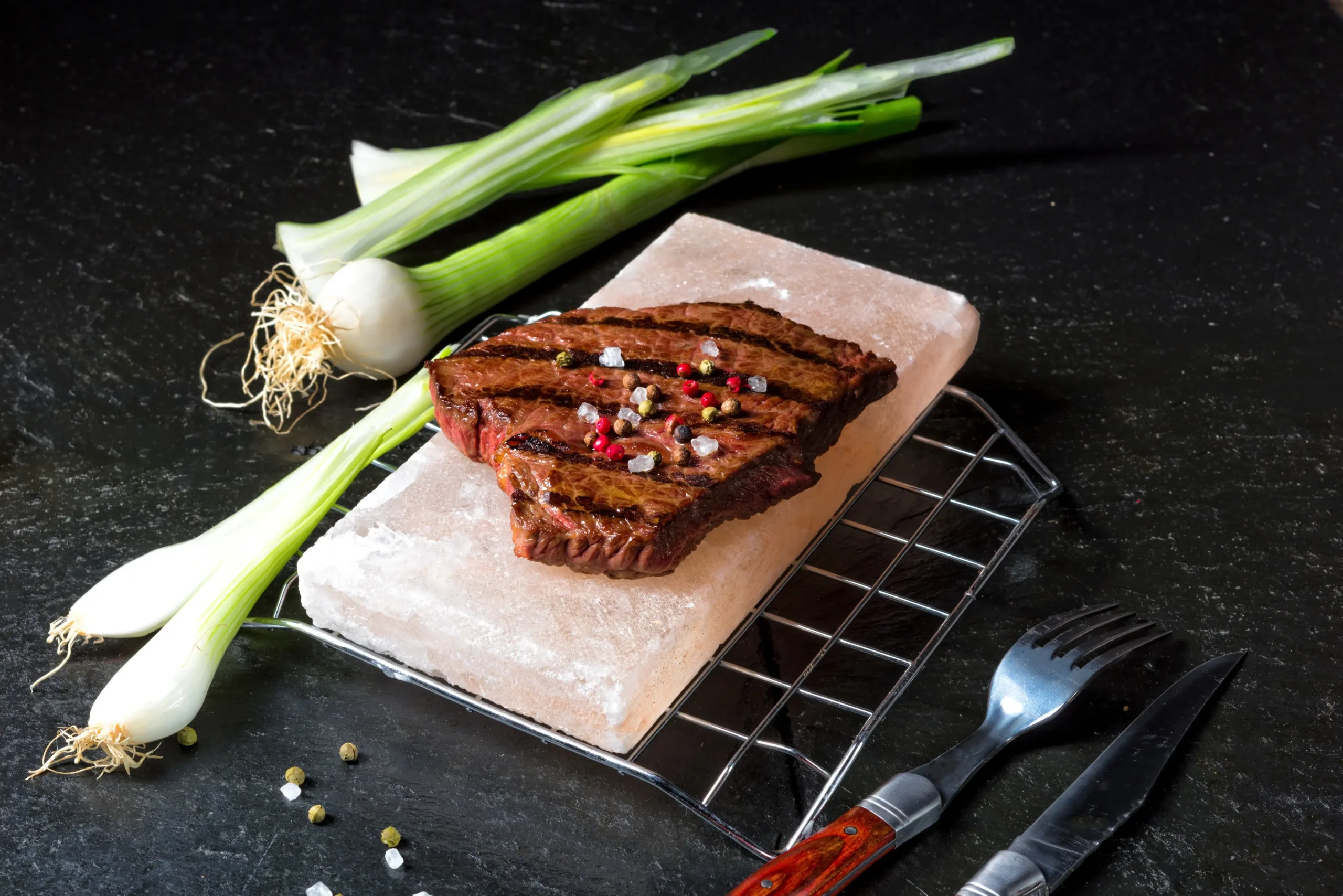
Each block’s unique mineral pattern adds visual and culinary character. During grilling, it seasons food gradually, enhancing taste without overpowering it—a result difficult to achieve with refined table salt. Its natural striations and coloration also elevate presentation, making it as striking on the grill as it is when used as a serving platform.
Exploring Pizza Stones and Their Grilling Advantages
Pizza stones are essential tools for achieving a crisp, evenly baked crust whether on the grill or in the oven. Crafted from dense, heat-retaining materials, they replicate the thermal qualities of a brick oven—storing and radiating heat for uniform results. Their combination of durability and ease of care makes them a dependable choice for both routine grilling and weekend baking.
Material Composition and Thermal Design of Pizza Stones
Most pizza stones are made from ceramic, cordierite, or soapstone—materials selected for their ability to withstand extreme temperatures and distribute heat evenly across the surface. Their inherent resistance to thermal shock allows them to move safely from room temperature to high heat without cracking, a notable advantage over Himalayan salt blocks, which require gradual warming.
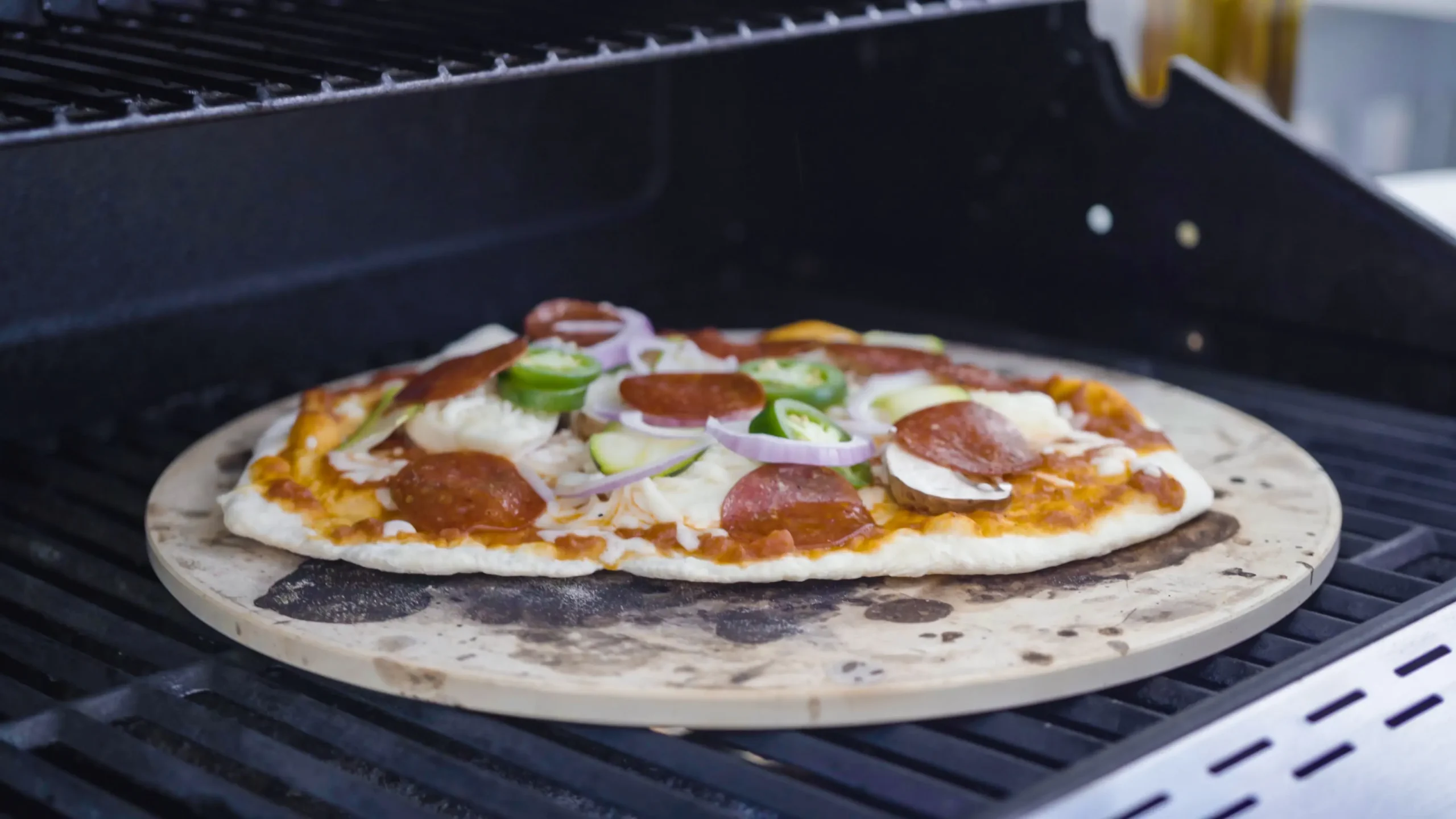
The stones’ porous structure absorbs moisture from dough, promoting the crisp, golden texture associated with wood-fired baking. Their flat, broad design ensures complete surface contact on grills or oven racks, supporting consistent heat retention and uniform cooking. With minimal care needs and long-term resilience, a quality pizza stone provides a balance of performance and practicality for any serious grill or baking setup.
Partner with Jilin Ever Creation for Premium Himalayan Salt Blocks
Offer your customers natural, food-grade Himalayan salt blocks sourced directly from the Khewra Salt Mine. Benefit from flexible customization, FDA and EU-approved quality, and reliable global logistics tailored for culinary, retail, and hospitality sectors.
Performance Comparison: Flavor, Heat Retention, and Cooking Results
Flavor and Seasoning Effects
A Himalayan salt block imparts a gentle, balanced salinity as it cooks, naturally transferring trace minerals that intensify the flavor of meats, seafood, and vegetables. It functions as both cooking surface and seasoning medium, creating distinctive results that standard grill plates cannot replicate. Because it seasons food continuously during contact, it’s ideal for simple ingredients where clarity of flavor is important.
A pizza stone, in contrast, is completely flavor-neutral. It doesn’t alter taste but refines texture through steady moisture evaporation. This precision yields crisp crusts and uniform browning in pizzas, flatbreads, and other baked dishes. Its primary strength lies in heat consistency, not seasoning.
Heat Retention and Thermal Stability
Pizza stones provide reliable, high-temperature performance. Their ceramic or cordierite makeup enables quick preheating, strong heat retention, and even thermal distribution. This stability ensures uniformly baked crusts without hot or cold spots and allows the stone to maintain temperature effectively through multiple cooking cycles.
Himalayan salt blocks, by contrast, require careful, gradual heating to prevent cracking. They must warm slowly from low to high temperature to withstand thermal stress. Once heated, they maintain sufficient warmth but distribute it less uniformly than engineered stones. They perform best in single, dedicated sessions rather than multiple rapid uses.
Optimal Applications for Each Surface
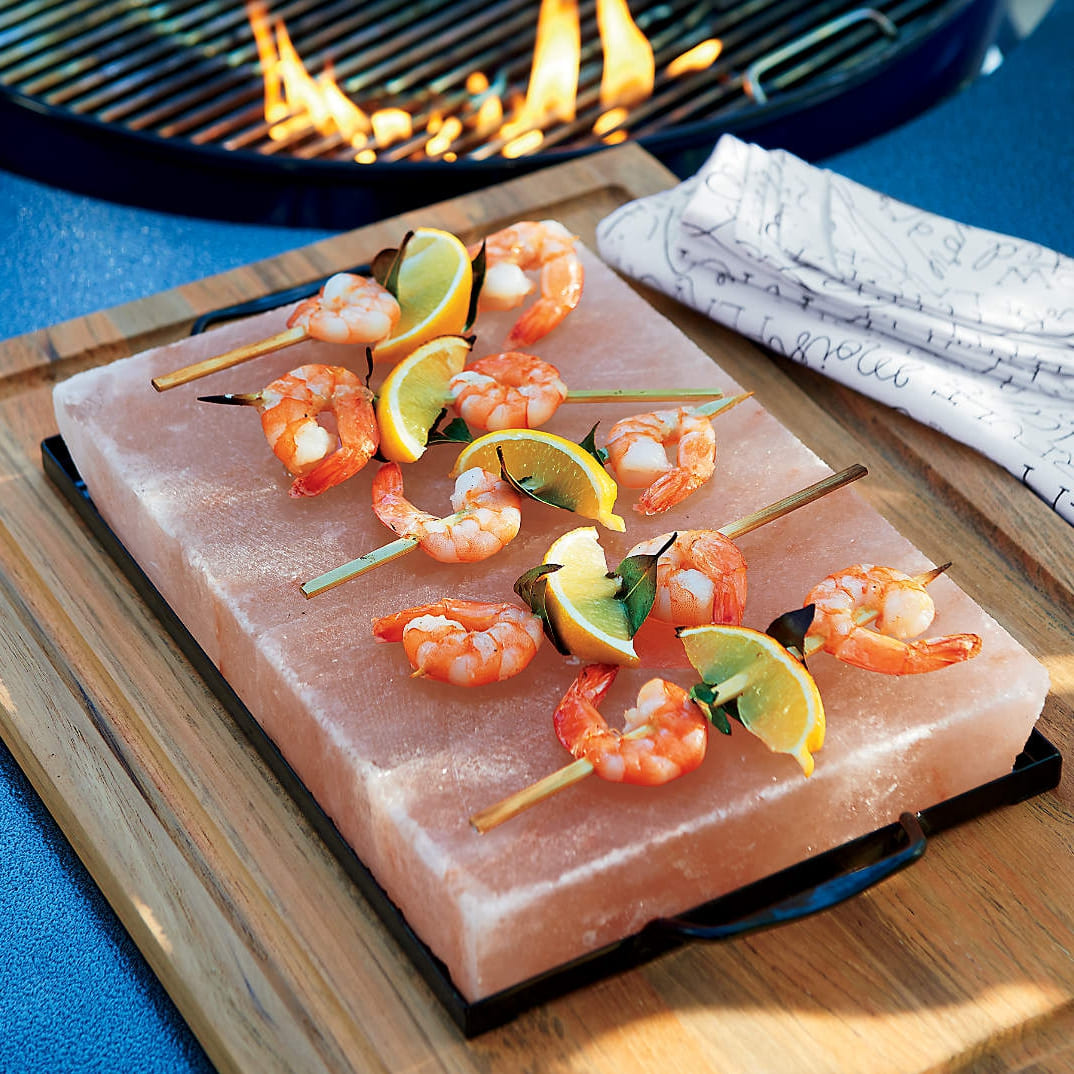
The Himalayan salt block excels in searing and presentation-focused cooking. It enhances proteins such as steak, shrimp, and scallops, forming a flavorful crust while adding a subtle saline note. Its striking appearance also makes it suitable for serving and tableside preparation, perfect for small-scale, gourmet grilling.
Pizza stones are preferred when consistency and textural precision take priority. They deliver superior results with pizza, bread, cookies, and flatbreads, where uniform heat is essential. Their resilience and low maintenance make them a practical choice for frequent, varied use. Ultimately, the decision comes down to whether the goal is flavor infusion or dependable thermal performance.
Maintenance and Durability: Care Tips for Salt Blocks and Pizza Stones
Cleaning and Storage Requirements
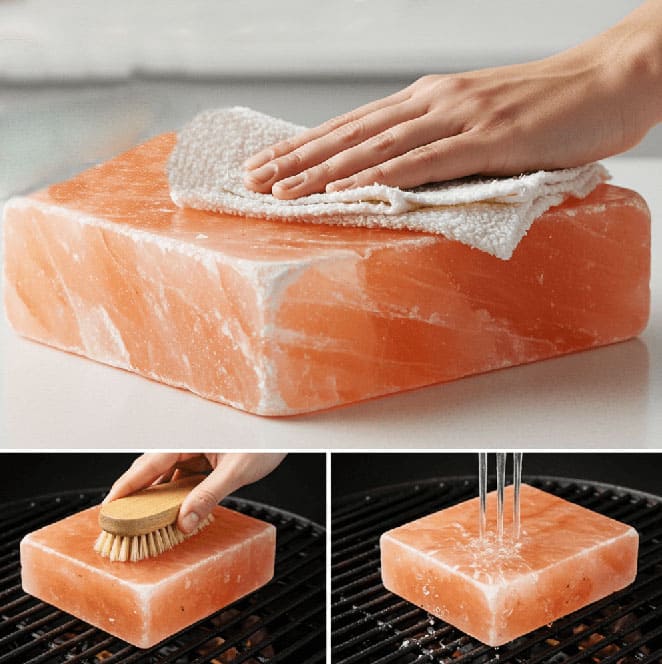
Cleaning practices differ due to the materials involved. A Himalayan salt block should never come into contact with water. Once it cools, gently scrape away residue with a spatula and allow it to air-dry in a well‑ventilated, dry area. Avoid sealing it in plastic or wrapping that can trap moisture, as humidity accelerates cracking—open‑air storage is the safest approach.
A pizza stone requires minimal maintenance. After use, let it cool completely before brushing off crumbs or wiping it with a damp cloth. When deeper cleaning is needed, a mild wash and careful drying suffice. Its porous ceramic or cordierite surface naturally resists grease buildup, helping it maintain reliable nonstick performance through repeated baking or grilling.
Durability and Lifespan
Each surface offers distinct longevity characteristics. A Himalayan salt block delivers exceptional flavor but has a finite lifespan due to gradual surface erosion and susceptibility to sudden temperature changes. Rapid heating or exposure to liquids can cause fractures. Even with proper care, minor wear occurs over time—a natural part of its aging process that contributes to its visual and culinary appeal.
A pizza stone, by contrast, is engineered for endurance. Whether made from ceramic or cordierite, its dense composition withstands thermal shock and repeated high‑heat sessions without damage. For regular bakers or grill users, this resilience translates into consistent cooking results, long service life, and minimal upkeep.
Choosing Between Himalayan Salt Blocks and Pizza Stones
Choosing the right grilling surface depends on your cooking style and desired outcome. A Himalayan salt block is ideal if natural flavor enhancement is your priority. It lightly seasons food while searing meats and seafood, imparting a subtle, mineral-rich salinity. This quality makes it especially suitable for proteins, vegetables, or signature dishes that benefit from direct contact with the seasoned surface.
A pizza stone is the better option when durability and ease of maintenance matter most. Crafted from ceramic or cordierite, it distributes heat evenly to produce crisp crusts and uniform browning on pizza, bread, or pastries. Its robust construction allows for quick reheating and repeated use without risk of cracking, making it highly practical for frequent grilling or oven baking.
Many grill enthusiasts use both tools for versatility. Select the salt block for flavor-focused searing and presentation, and the pizza stone for consistent baking performance. Together, they broaden your cooking capabilities, enabling seamless transitions between savory grilling and precision baking with reliable results every time.
Frequently Asked Questions About Himalayan Salt Blocks and Pizza Stones
Can you cook pizza directly on a Himalayan salt block?
Technically yes, but it is not ideal for pizza. Salt blocks heat unevenly, which can produce inconsistent crusts. Pizza stones distribute heat uniformly, creating the crisp base and golden edges associated with professional oven results.
Which surface retains heat longer—a salt block or a pizza stone?
Pizza stones, particularly those made from cordierite or ceramic, maintain and radiate heat longer than salt blocks. This consistent thermal performance supports even cooking across multiple batches without the need for reheating.
Which option is more durable and resistant to cracking?
Pizza stones are engineered for long-term use and resist thermal shock during quick temperature changes. Salt blocks are more delicate and can fracture if heated too rapidly or exposed to moisture.
How do the cleaning processes differ between them?
A salt block should be scraped after cooling and kept dry to prevent surface erosion. A pizza stone simply requires brushing away debris; it can be rinsed lightly if fully dried before reuse.
Which surface is more versatile for different foods?
Pizza stones accommodate a wide range of foods—from breads and pastries to roasted vegetables and meats. Salt blocks excel at searing proteins such as steak or seafood, offering gentle seasoning and an appealing presentation.
Final Thoughts
Himalayan salt blocks and pizza stones both enhance grilling and baking, though each excels in different ways. The salt block naturally seasons food while delivering a firm sear, making it ideal for meats, seafood, and vegetables. The pizza stone, by contrast, ensures even heat distribution and crisp crusts, providing consistent texture and color across diverse recipes.
Understanding how each surface responds to heat and care simplifies the decision. Choose a Himalayan salt block if flavor infusion and distinctive presentation matter most. Opt for a pizza stone if durability, thermal stability, and ease of maintenance are your priorities.
Either way, both tools elevate your cooking repertoire—expanding what’s possible on the grill or in the oven while bringing elevated results to every dish.
Experience the quality firsthand with our trial order – an easy way to test these high-margin products with just a $500 investment. Get in touch to start your trial order today!