Skip to content
In the commercial hospitality and barware procurement sector, Himalayan salt shot glasses offer a high-margin, experiential alternative to commoditized standard glassware. Carved from natural pink Himalayan salt, these unique vessels impart a subtle salinity that elevates the tasting profile of premium tequila, mezcal, and other agave-based spirits. While traditional glass shot glasses prioritize operational durability and high-volume turnover, salt shot glasses provide product differentiation and a memorable consumer experience. This article compares both options in terms of material, commercial application, care, and wholesale value—helping hospitality buyers and distributors choose the right barware to enhance their brand and menu offerings. 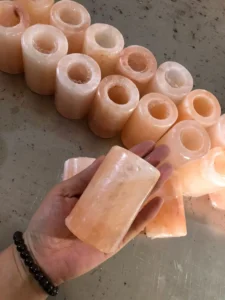
Himalayan Salt Shot Glasses vs. Standard Glasses: Sourcing Differences at a Glance
This overview highlights the critical distinctions between wholesale Himalayan salt shot glasses and traditional glassware. For supply chain managers and HoReCa (Hotel, Restaurant, Café) buyers, understanding these differences is key to balancing operational efficiency with premium presentation.
| Feature | Himalayan Salt Shot Glass | Standard Commercial Glass |
|---|---|---|
| Material & Sourcing | Hand-carved natural food-grade salt with unique pink marbling. Requires strict supplier QC. | Clear, uniform glass. Highly commoditized and mass-produced. |
| Tasting Profile | Infuses a natural saline note, enhancing premium agave-based spirits. | Chemically neutral; offers zero flavor alteration. |
| Commercial Lifespan | Consumable product. Usable for 20–30 pours; drives repeat wholesale orders. | Permanent fixture. Lasts until chipped or broken. |
| Maintenance | Wipe with a damp cloth; strictly no dishwashers or soaking. | Designed for high-temperature commercial dishwashers. |
| Target Application | VIP service, signature cocktail presentations, and premium corporate gifting. | High-volume, everyday bar service and general admission. |
| Profit Margin Potential | High perceived value. Justifies premium menu pricing and high retail markup. | Low cost, but low margin. An operational expense rather than a revenue driver. |
What Are Himalayan Salt Shot Glasses?
Origin, Material, and Manufacturing
Himalayan salt shot glasses are manufactured from solid pink salt blocks sourced directly from the Khewra Salt Mine in Pakistan. For B2B buyers, the critical factor is the manufacturing process. Authentic, high-quality salt shot glasses are lathe-turned from high-density crystal veins. This strict material selection prevents micro-fissures that could cause the glass to leak or shatter during commercial use. Because it is a natural stone, each unit exhibits variations in color—from pale rose to deep amber—providing a unique, artisanal aesthetic that upscale venues demand.

From a compliance standpoint, reputable manufacturers ensure the salt is processed under food-grade conditions. The natural antibacterial properties of Himalayan salt make it inherently hygienic for repeated beverage service, provided it is stored and maintained correctly by the end-user.
Commercial Function and Hospitality Experience
In a commercial bar setting, Himalayan salt shot glasses are a tool for menu differentiation. Serving tequila or mezcal in a salt glass eliminates the need for a messy salted rim and delivers a smoother, more integrated flavor profile. This elevated presentation allows hospitality venues to command a premium price for signature shots or tasting flights.
For corporate gifting and retail buyers, these glasses serve as a high-margin novelty item. With appropriate OEM packaging—such as custom-branded EVA foam gift boxes—they become a premium promotional asset for spirit brands and corporate clients. 
What Are Standard Glass Shot Glasses?
Standard commercial shot glasses are the backbone of high-volume bar operations. Produced from tempered or standard silica glass, they offer absolute uniformity in weight, volume (typically 1.5 to 2 ounces), and clarity. This standardization is crucial for precise inventory control and consistent pouring in fast-paced hospitality environments.
Head-to-Head Sourcing Showdown: Salt vs. Standard Glass
Himalayan salt shot glasses are essentially a consumable product. Because natural salt dissolves slightly upon contact with liquids, a single glass will typically survive 20 to 30 uses before requiring replacement. In a commercial setting, this means they must be treated as a specialty serving item rather than everyday ware. However, this consumable nature is exactly what drives recurring revenue for distributors and retailers.
Standard glass represents long-term operational efficiency. It requires zero specialized training for waitstaff to clean and handle. If a venue prioritizes speed of service and minimal upkeep overhead, standard glass is the uncontested choice.
Source Salt Shot Glasses for Hospitality
Food-grade Himalayan salt, custom engraving and breakage-proof export packaging. Discuss bar programs and MOQs with our wholesale team.
Browse Wholesale Himalayan Salt Products →Frequently Asked Questions (B2B & Commercial Use)
Are Himalayan salt shot glasses safe for hospitality and commercial use?
Yes, when sourced from a reputable manufacturer, Himalayan salt shot glasses are carved from 100% natural, food-grade salt crystals. They are free from chemical treatments, making them safe for direct beverage contact in bars and restaurants.
Can you custom engrave logos on Himalayan salt blocks?
Absolutely. High-density Himalayan salt blocks can be precisely laser-engraved with corporate logos, brand names, or custom designs. This is a popular OEM service for spirit brands and corporate gifting, as it uses no inks and remains entirely food-safe.
How do you package wholesale salt shot glasses to prevent breakage during shipping?
Bulk salt products require specialized packaging. Each item is shrink-wrapped in POF film to block moisture, placed in partitioned inner boxes to absorb shock, and packed into 5-ply reinforced export cartons.
What certifications should a wholesale Himalayan salt manufacturer have?
A reliable OEM manufacturer should hold internationally recognized quality and social compliance certifications, such as ISO 9001 and BSCI audit reports, ensuring ethical production and consistent supply chain management.