Skip to content
Key Takeaways
- Reserve Q3 hand-painting capacity by early Q2; the painting line is the bottleneck, not the wood supply.
- Book freight contracts when production is confirmed, not when it finishes, to lock pre-peak rates.
- Allocate capacity across product lines with a weighted forecast, and reserve 10% for late-breaking best sellers.
The single most expensive mistake in seasonal sourcing is not a bad product but a good product that could not be produced in time. Peak season production booking is the discipline of reserving factory capacity before the competitor does, locking it with a confirmed purchase order, and protecting it with a contingency plan. This guide shows wholesale buyers how to book Q3 production capacity for Q4 delivery, across wooden decor, ornaments, and gift lines.
The production calendar is a zero-sum game in Q3. Every hand-painting slot, every kiln cycle, and every container booking is claimed by the buyers who confirm earliest. The buyers who wait until they are ready to order find that the capacity is already committed, and they are offered a later slot or a premium rate. Early booking is the single most effective margin-protection tool in seasonal sourcing.
The Painting Line Is the Bottleneck
In wooden decor production, wood supply is rarely the constraint. Hand-painting capacity is. Each painter can finish a finite number of pieces per day, and the painting line cannot be scaled quickly because skilled painters take months to train. The buyers who understand this reserve painting slots, not just production slots, and they reserve them before the designs are finalised. A reserved slot with a provisional design can be refined; an unreserved slot cannot be reclaimed. Confirm your painting capacity with the wholesale wooden crafts supplier by early Q2, and lock it with a deposit and a confirmed purchase order by late Q2.

Locking Freight Before the Peak
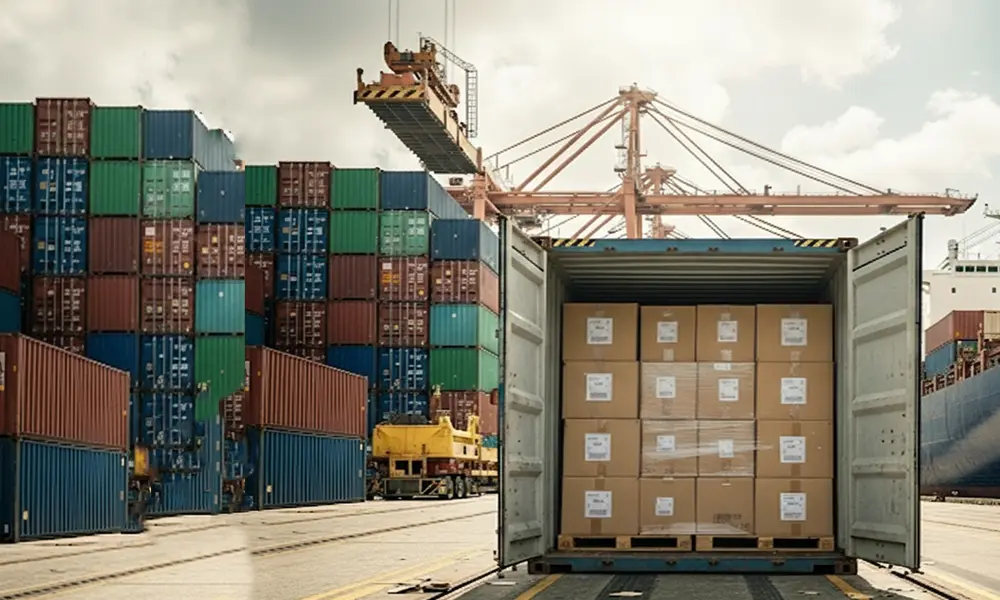
Ocean freight rates rise sharply in late Q3 as holiday cargo floods the lanes. Booking the container when production is confirmed, not when it finishes, locks a pre-peak rate and a guaranteed sailing. The ICC Incoterms rules determine who controls the freight contract. Under FOB, the buyer books and locks the rate early, which is the recommended approach for peak-season cargo. Under DDP, the supplier prices the freight into the unit cost, but the buyer should still confirm that the container has been booked and the rate locked. A container booked late in Q3 can cost significantly more than one booked early.
Allocating Capacity Across Product Lines
A typical Q3 production run serves multiple product lines: Christmas ornaments, gift sets, evergreen decor, and possibly a spring-line pre-production. Allocate the capacity with a weighted forecast: 50% to the proven best sellers from last season, 30% to the new designs that have passed sample stage, and 20% as flexible capacity that can be redirected to whichever line performs best in early sell-through. Reserve an additional 10% for late-breaking best sellers that outperform forecast and need a top-up run. The flexible allocation prevents the classic peak-season failure of being overstocked on the slow mover and out of stock on the winner.

Contingency: The 10% Reserve
The 10% capacity reserve is the cheapest insurance in seasonal sourcing. It is held uncommitted until late Q2, when early sell-through data from the first shipments identifies the designs that are outperforming. The reserve is then allocated to a top-up run of those designs, shipped by air or fast ocean, and on shelf before the peak selling weeks. Without the reserve, a best seller sells out with no way to replenish. With the reserve, the season captures the full demand. The reserve also covers the contingency of a production delay on a main run; the factory can redirect the reserved capacity to catch up while the main line recovers. Build the reserve into the custom manufacturing agreement and confirm the factory can hold it on a factory tour.

Multi-Line Capacity Planning
Peak-season capacity is not reserved for a single product line; it is allocated across all the lines that share the factory. The buyer who reserves capacity for Christmas ornaments but forgets the gift sets and the evergreen decor will find that one line arrives on time and the others are late. The capacity plan should be a single document that allocates production slots, freight bookings, and contingency reserves across the full wholesale wooden crafts range, updated quarterly and shared with the supplier. The supplier who maintains a multi-line capacity dashboard, visible to the buyer on request, is the partner who can manage the complexity.
The multi-line plan also reveals the trade-offs. If the Christmas ornament line is allocated 50% of capacity and the gift-set line is allocated 20%, and the gift-set sell-through data shows it outperforming, the flexible allocation can be shifted toward gift sets before the season. The plan is a living document, not a fixed schedule, and the buyers who treat it as such will capture the demand as it develops rather than being locked into a forecast made six months earlier.
The peak-season booking discipline is a competitive advantage disguised as a calendar exercise. Plan the season in Q1, reserve capacity in Q2, produce in Q3, and deliver in Q4. The buyers who follow this rhythm own the peak—arriving on time, on budget, and with full margins.

Frequently Asked Questions
When should I book Q3 production capacity?
By early Q2 at the latest. Hand-painting slots fill fast, and the buyers who confirm earliest get the capacity and the best rates.
What is the bottleneck in wooden decor production?
Hand-painting capacity. Wood supply is rarely the constraint. Each painter has a finite daily output, and skilled painters take months to train.
How should I allocate capacity across product lines?
50% to proven best sellers, 30% to new designs, 20% flexible. Reserve an additional 10% for late-breaking best sellers that need a top-up.
When should freight be booked?
When production is confirmed, not when it finishes. Early booking locks a pre-peak rate and a guaranteed sailing on the container.
Why reserve 10% of capacity for late best sellers?
Early sell-through data identifies outperforming designs. The reserve allows a top-up run of those designs, capturing demand that would otherwise be lost.
Book Your Peak-Season Production Capacity Early
Reserve hand-painting slots, lock freight rates, and build a 10% contingency reserve with a factory that plans capacity across your full product range.
Plan Production Capacity →