Skip to content
Key Takeaways
- Offer laser engraving on 30% of your wooden range as an entry personalisation option to lift average order value.
- Position personalisation as a flat-fee add-on, not a percentage, to keep the margin predictable per piece.
- Display a personalised sample beside the blank product on every shelf where personalisation is offered.
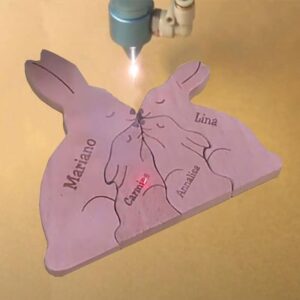
The customer who buys a wooden puzzle with their family name on it, a pen with their initials, or an ornament with a date is not buying a product; they are buying a keepsake. Personalization gift retail demand is the structural force behind the highest-margin segment of the wooden gift market, and it is growing because consumers increasingly value items that feel made for them. This guide explains what drives the personalisation demand, which products to personalise, and how to build a personalisation programme that lifts margin across the range.
Personalisation is not a product feature; it is a business model. The retailer who adds laser engraving to 30% of the range, prices it as a flat add-on, and displays the personalised sample beside the blank product will see a measurable lift in average order value and customer loyalty. The retailer who treats personalisation as an afterthought will watch the margin leak to the competitors who offer it.
What Drives the Personalisation Demand
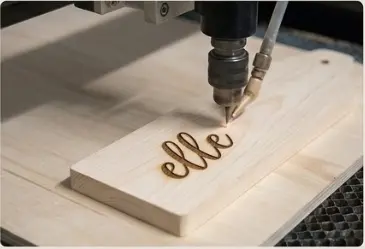
Three forces are driving personalisation demand in gift retail. First, the gifting economy has shifted toward meaningful, lasting items over disposable ones, and personalisation is the most reliable way to make an item feel meaningful. Second, the technology for personalisation has become accessible: laser engraving is now fast, affordable, and capable of handling names, dates, and simple logos on wood. Third, the customer expectation has been set by online retailers who offer personalisation at checkout, and the physical retailer who does not offer it is losing sales to the screen. The National Retail Federation consistently reports that personalised gifts drive higher customer satisfaction and repeat purchase rates than standard merchandise.
Which Products to Personalise
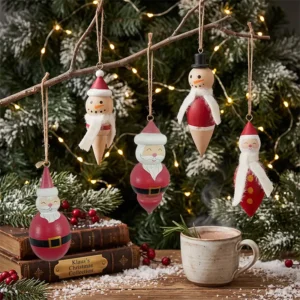
Not every wooden product benefits from personalisation. The best candidates are items that are already gifts: puzzles, pens, ornaments, piggy banks, and desk accessories. These are products where the personalisation adds emotional value that the customer can visualise before they buy. Items that are primarily decor (a large wall panel, a statement sculpture) benefit less because the personalisation is not central to the purchase decision. Start with the gift category, personalise 30% of the range, and use the data to decide which products to add next. The wood carving factory should be able to engrave or personalise the top 30% of the range without a minimum order quantity per design.
The Pricing Model: Flat-Fee Add-On
Price personalisation as a flat-fee add-on per piece, not as a percentage of the product price. A flat fee is easy for the customer to understand, easy for the sales staff to quote, and keeps the margin predictable regardless of the base product price. The fee should be high enough to cover the engraving cost and contribute to margin, but low enough to encourage attachment. The sweet spot is typically a fixed dollar amount per piece that the customer perceives as reasonable for the personalisation. Test the fee with a small range, measure the attachment rate, and adjust. The buyers who price the personalisation correctly will see it adopted on a high percentage of eligible orders.
Display Strategy: The Sample-to-Blank Ratio
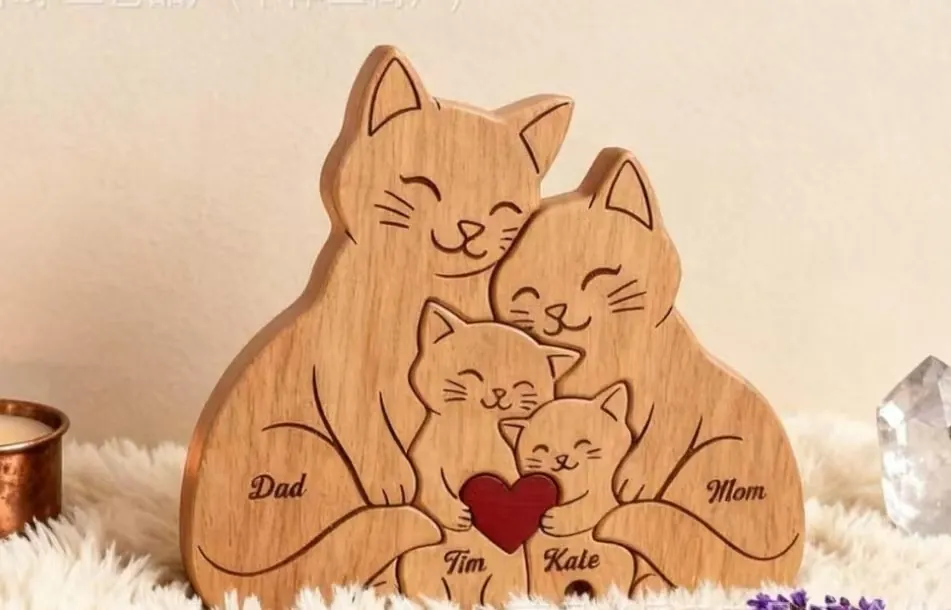
The single most effective merchandising technique for personalisation is the sample-to-blank display. Place one personalised sample of each eligible product beside the blank inventory, with a small sign that reads the personalisation options and the flat fee. The sample shows the customer what is possible; the blank shows the customer what they are buying. The sample-to-blank ratio converts a browsing customer into a personalised order at a significantly higher rate than a shelf of blanks with a sign. The display should be refreshed seasonally with new sample designs, and the samples should be updated when the product design changes. Build the personalisation programme into the wholesale wooden crafts range, and confirm the factory’s personalisation workflow on a factory tour. The custom manufacturing agreement should include personalisation as a standard module, so every new product is personalisation-ready from the first order.
The personalisation programme is not a product line; it is a business model that lifts margin across the entire range. The buyers who offer laser engraving on a flat-fee basis, display the sample beside the blank, and source from a supplier who can handle the workflow will capture the highest-margin segment of the gift market. The buyers who treat personalisation as an afterthought will lose those sales to the online retailers who make it frictionless at checkout. The programme should be built into the architecture of the wooden decor range, not bolted on as a seasonal promotion.
The data from the personalisation programme will tell you which products to add next. Track the attachment rate by product, by season, and by channel, and use the data to expand the programme to the products where the demand is strongest. The programme is self-reinforcing: the more products that offer personalisation, the more customers expect it, and the more they buy. The buyers who start now will own the personalised gift market as it grows.

Growing the Personalisation Programme Over Time
The personalisation programme should grow with the data. Start with 30% of the gift range, track the attachment rate by product and by season, and use the data to expand the programme to the products where the demand is strongest. The programme is self-reinforcing: as more products offer personalisation, more customers expect it, and the attachment rate rises across the range. The wholesale wooden crafts supplier should be able to add products to the personalisation programme without a new contract or a new minimum order.
The programme should also evolve with the technology. Laser engraving is the entry point, but the next tier is on-demand printing, embossing, or even hand-painted personalisation for premium pieces. The supplier who can offer multiple personalisation methods from one production line gives the buyer the flexibility to serve multiple price points and multiple customer segments. The personalisation programme is the margin engine of the wooden gift category—built into the architecture of your range from the very first order, it captures a customer segment that values customisation above price.
Frequently Asked Questions
What drives the demand for personalised gifts?
A shift toward meaningful, lasting gifts, accessible laser engraving technology, and customer expectations set by online retailers who offer personalisation at checkout.
Which products are best for personalisation?
Gift items: puzzles, pens, ornaments, piggy banks, and desk accessories. Products that are primarily decor benefit less from personalisation.
Should I price personalisation as a flat fee or percentage?
A flat-fee add-on per piece. It is easy to quote, keeps the margin predictable, and encourages attachment at a consistent rate.
How should I display personalised products?
Use the sample-to-blank ratio: one personalised sample beside the blank inventory, with a sign listing the options and the flat fee.
What percentage of the range should be personalisable?
Start with 30% of the gift range. Use the data on attachment rates to decide which additional products to add to the personalisation programme.
Build a Personalisation Programme Across Your Range
Source laser-engravable wooden gifts with flat-fee pricing, sample-to-blank displays, and a factory workflow that handles personalisation at scale.
Explore Wholesale Wooden Crafts →