Skip to content
The wooden crafts HS code is the small decision that prices your entire import program: six to ten digits that determine the duty rate, the documentation trail, and what a customs auditor sees when they open your shipment history. Wooden crafts sit in a genuinely tricky corner of the Harmonized System — a carved bird can legitimately argue for the wood-ornament chapter, the festive-articles chapter, or a toy heading depending on how it is sold and marketed. Classify correctly and your landed cost is predictable; classify optimistically and the correction arrives years later with interest. This guide explains how classification actually works for hand-carved wooden crafts, using the code structure our own export programs run on.
- Function decides the chapter. A wooden ornament, a Christmas decoration, and a toy can share a shape but sit in different HS chapters — marketing and use drive the classification.
- Wooden crafts commonly land in three headings. 4420 (wood ornaments and statuettes), 9505 (festive articles), and 9608 (pens and pencils) — each with its own duty and paperwork profile.
- The invoice must match the code. Product name, material, dimensions, and intended use should agree with the classification on every document in the shipment.
- Certifications support the file. EN71 test reports for toy classifications, plus origin documents such as official timber felling and transport permits.
- Binding rulings end debates. When a product sits between headings, ask your customs authority for a binding ruling before you commit volume.
- Why the right code is a margin decision
- The three chapters wooden crafts usually land in
- Getting classification right: material, function, marketing
- The documents that travel with your cartons
- When classification goes wrong
- How your customs broker uses the code
- A customs-ready checklist
- Frequently asked questions
Why the Right Code Is a Margin Decision
The wooden crafts HS code on your customs entry decides the duty rate, and duty rates differ by heading — sometimes by a wide margin: the difference between two plausible headings on the same product can be several percentage points of landed cost on every container for years. That makes classification a commercial decision, not a clerical one — and it explains why sophisticated importers treat the HS code as part of the product spec, agreed with the supplier before production, rather than whatever number appears on the first invoice.
There is a second cost hiding in classification: corrections. Customs authorities can re-examine entries years after clearance, and an underpaid heading means back duties, penalties, and a flagged importer record that slows future clearances. Paying the right amount at the right heading, with documents that support it, is cheaper than any optimistic classification ever was.
For importers building a wooden crafts program, that makes the HS code part of the product spec rather than the paperwork. A factory that has exported the same product family for years arrives at the quoting stage already knowing which heading the product files under, which test reports the destination expects, and which descriptions have cleared without examination — that history is part of what you are buying with the product.
The Three Chapters Your Wooden Crafts HS Code Lands In
Most hand-carved wooden products cluster around three headings in our export file, and the distinctions are worth internalizing:
| HS heading | What it covers | Typical products |
|---|---|---|
| 4420.19 | Wood marquetry, statuettes and other ornaments of wood | Carved birds, animal figurines, wall decor |
| 9505.10 | Articles for Christmas festivities | Christmas ornaments, nativity sets, seasonal decor |
| 9608.10 | Ballpoint pens, pencils and other writing instruments | Hand-carved wooden pens and pencils |
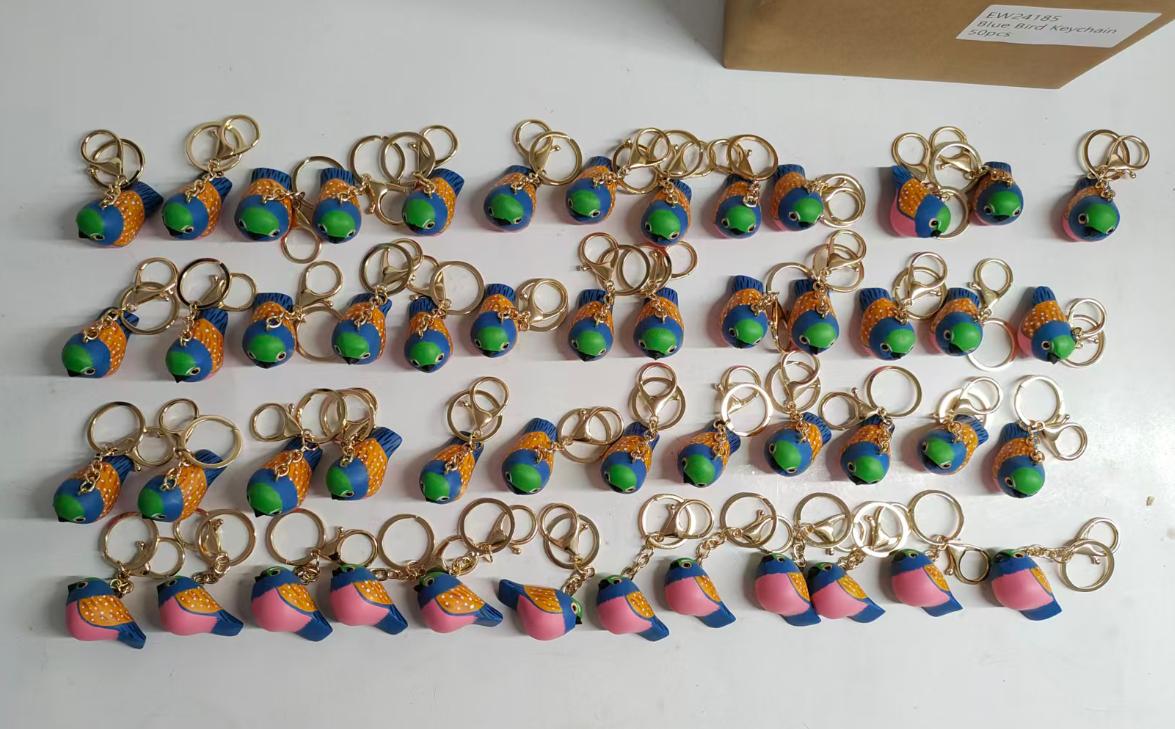
Two of those boundaries cause most real-world disputes. The first is 4420 versus 9505: the same carved wooden owl is an “ornament of wood” when sold year-round as home decor, but an “article for Christmas festivities” when produced and marketed as a tree ornament — the seasonal packaging and the buyer’s merchandising intent genuinely matter to the classification. The second is the toy line: a wooden animal marketed to children with play value can fall under toy headings where EN71 safety testing and stricter labeling apply, which is exactly why the paperwork discipline in the next sections exists.
One clarification saves a lot of confusion later: the six-digit headings above are international, but every destination extends them with national digits that fix the local duty rate — the United States uses a 10-digit HTS schedule and the EU applies TARIC codes with their own measures. Our export file carries the full national-level codes 4420.1990, 9505.1000, and 9608.1000, and your invoice should carry the code of the destination you are filing in. When buyers compare duty quotes across countries, they are comparing the national digits — the six-digit root stays the same.
Getting Classification Right: Material, Function, Marketing
Classification analysis runs through three questions in order — the same three questions that decide any wooden crafts HS code.
What is it made of? For our carvings the answer is solid wood — primarily Changbai Mountain basswood, with pine, birch, and rubber wood in the range — which anchors the product in Chapter 44 wood articles from the start. Material answers the chapter question.
What does it do? A figurine that decorates a shelf is not the same article as a writing instrument, even when both are carved from the same billet, and a wooden animal with play value aimed at children is something else again. Function answers the heading question within the chapter.
How is it sold? The same product marketed as a Christmas ornament versus a year-round garden bird can legitimately change headings, because the HS follows the article as presented to the buyer — packaging, merchandising, and even the product name on the invoice all testify. Marketing answers the tie-breaker.
Dimensions and construction support the file rather than decide it. Our 3D carvings run 5–40 cm and 2D flat carving reaches 80 cm, and stating those measurements on the invoice keeps customs from re-imagining the product. A customs officer cannot see your carton; they reconstruct the product from your documents. The more precisely those documents describe material, size, finish, and use, the fewer invitations the file offers for reclassification. Where the boundary is genuinely ambiguous, ask your customs authority for a binding ruling before volume ships — a ruling costs a few weeks and settles the question for every future container. For the customs paperwork on a related product line, our wooden duck import guide walks through the same discipline applied to decoys.

The Documents That Travel With Your Cartons
A clean classification is only as strong as the file around it. The commercial invoice carries the HS code, the precise product description, unit value, and country of origin; the packing list maps every carton so customs can verify quantities and weights without opening the shipment; and the certificate of origin establishes where duty preferences, if any, apply. For wooden crafts specifically, origin documentation goes further: our wood is traceable and we provide official timber felling and transport permits, which satisfy both customs scrutiny and the due-diligence requirements of retailers auditing their supply chains.
Compliance documents ride alongside. Products classified as toys carry EN71-1/-2/-3 test reports from accredited laboratories, and our general export file includes CE and UKCA marks plus RoHS where applicable. Paint matters too — our finishes are eco-friendly and non-toxic, and the EN71 paint compliance guide explains how to verify that before import. Every one of these documents should be collected before the container sails; requesting them after a customs hold is how a one-week clearance becomes a one-month storage bill.
When Classification Goes Wrong
Misclassification fails in predictable patterns. The most common is underpaying: an importer files the wrong wooden crafts HS code at a lower duty rate, clears smoothly for two years, then receives a notice demanding the difference plus penalties across every historical entry. The second is inconsistency: different products from the same supplier arriving under codes that no longer tell a coherent story, which is itself a trigger for inspection. The third is the silent one — a “safe” generic heading that overpays duty on every shipment because nobody ever re-examined it. All three are expensive in different currencies: money, time, or trust with the customs authority.
The fix is a classification file per SKU that survives an auditor’s questions: the ruling or rationale, the invoice description template, the supporting test reports, and the supplier agreement stating the code is maintained across orders. A factory that runs disciplined compliance programs — BSCI social audits, ISO9001 quality systems, batch-level moisture checks on incoming wood — is the same kind of partner that keeps your customs file in order; our factory audit guide shows what to ask for on the audit checklist.
How Your Customs Broker Uses the Code
Your broker is the person who actually files the wooden crafts HS code on the entry, and the relationship works best when you treat the code as a shared decision rather than a delegation. A good broker will check your classification against the destination country’s national schedule — the Harmonized System is harmonized only to the six-digit level, and countries extend it with their own duty rates, such as the United States’ HTS — and will tell you when a heading you propose has a history of examination or ruling disputes. What a broker cannot do is know your product the way the supplier does; the material, function, and marketing facts that decide the chapter have to come from you.
The practical division of labor: the supplier supplies the product facts (species, dimensions, finish, intended use, packaging, and marketing), the broker supplies the schedule and the filing, and the importer owns the final classification. When all three parties see the same description on the invoice, the packing list, and the entry, an examiner sees a coherent story. When the three documents diverge, the examiner has a reason to open cartons — and the delay that follows costs more than any duty saved by a creative code.
A Customs-Ready Checklist
| Item | What customs needs to see |
|---|---|
| HS code | Chosen by material, function, and marketing; supported by rationale or binding ruling |
| Invoice description | Product name, wood species, dimensions, finish, intended use |
| Test reports | EN71-1/-2/-3 for toy classifications; CE, UKCA, RoHS where applicable |
| Origin documents | Certificate of origin, official timber felling and transport permits |
| Supplier agreement | Code maintained consistently across orders, with documents collected pre-sailing |
Run this checklist once per SKU and the customs conversation becomes boring — which is precisely what you want it to be. The HS code a wooden crafts importer files is decided before the first carton exists, and it stays consistent on every invoice, packing list, and entry that follows. For custom products, the same discipline applies from the first sample: our custom product manufacturing team fixes classification, documentation, and compliance at the quoting stage, before anything is carved.
Frequently Asked Questions
Which HS code applies to a carved wooden bird?
Year-round decorative birds usually classify under 4420.19 as wood ornaments and statuettes. The same bird produced and marketed as a Christmas tree ornament can classify under 9505.10 for festive articles — the seasonal use and packaging decide which heading applies.
Are wooden pens classified differently from ornaments?
Yes. Hand-carved wooden pens and pencils fall under heading 9608.10, the writing-instruments chapter, because function — not material — leads the classification. Ornaments and figurines stay in the wood-articles and festive-articles chapters.
Do toy classifications change the paperwork?
Yes. Wooden animals marketed to children with play value can fall under toy headings, which require EN71-1/-2/-3 test reports and stricter labeling. Agree the classification before production so the test file is ready before sailing.
What origin documents do wooden crafts need?
A certificate of origin plus traceability paperwork: we provide official timber felling and transport permits for our wood. These support customs clearance and the supply-chain due diligence many retailers now require.
What happens if the code turns out to be wrong?
Customs can re-examine past entries and claim back duties with penalties and interest. For ambiguous products, request a binding ruling before volume ships — it settles the heading for every future container.
Get the classification right before the first carton
HS codes, test reports, and origin documents fixed at the quoting stage — browse the ewoodarts catalog or bring your product to our OEM team.
Explore the Wooden Crafts Collection →