
Himalayan salt blocks are solid slabs of crystallized mineral salt mined from the ancient Khewra deposits in Pakistan. Valued for their purity and distinctive pink hue, these blocks function as both cooking surfaces and presentation pieces. They heat evenly, retain temperature exceptionally well, and naturally season food with trace minerals that enhance flavor without overpowering it. This guide explains how to prepare, heat, and care for your salt block to achieve consistent culinary performance and lasting durability.
Prerequisites: Essential Tools and Materials for Salt Block Cooking
Before you begin cooking with a Himalayan salt block, gather the necessary equipment to ensure safety, durability, and optimal results. These tools allow for proper handling, prevent damage, and help you take full advantage of the block’s heat retention and natural seasoning properties.
- Authentic, food-grade Himalayan salt block (ideally sourced from the Khewra Salt Mine)
- Heat-resistant surface or sturdy heatproof stand
- Gradual heat source such as an oven, grill, or stovetop
- Protective gloves or tongs for safe handling
- Damp sponge or soft cloth for cleaning
- Ingredients suited for salt block use, including meats, seafood, vegetables, or cheeses
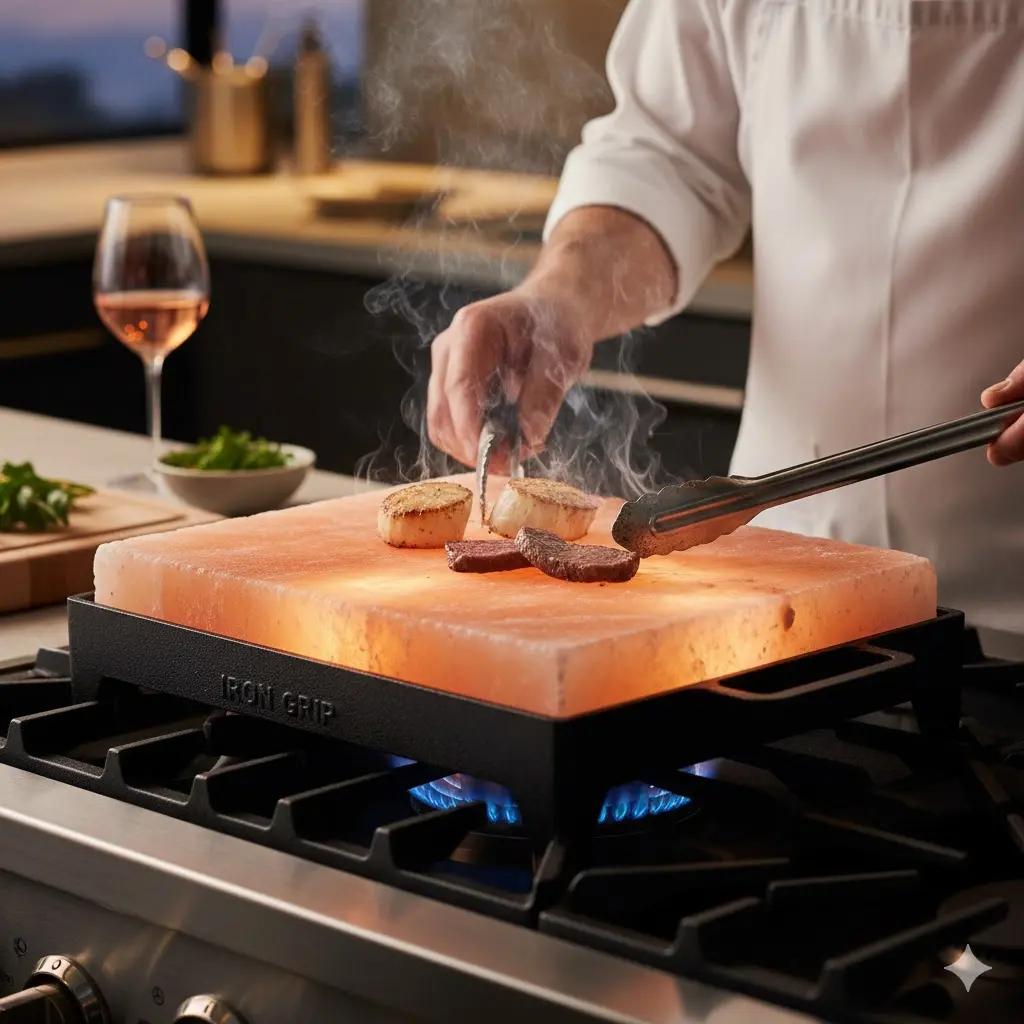
With these essentials in place, you’re ready to explore the unique flavor, texture, and presentation advantages that Himalayan salt block cooking offers in both home and professional kitchens.
Step-by-Step Guide to Cooking with a Himalayan Salt Block
Cooking with a Himalayan salt block enriches dishes with nuanced flavor and an elegant presentation. The process demands gradual heating, attentive food handling, and careful maintenance to preserve the block’s integrity. Follow these concise steps to achieve consistent results and extend the lifespan of your salt block.
Step 1: Heat the Salt Block Gradually
Place the salt block on a cold grill, stovetop, or oven rack before applying heat. Raise the temperature slowly over 30 to 45 minutes until it reaches approximately 400°F (204°C). Gradual heating prevents thermal shock, which can cause cracking or breakage. Avoid direct flame or sudden temperature shifts—steady, incremental warming ensures even expansion and greater durability.
Step 2: Cook Directly on the Heated Block
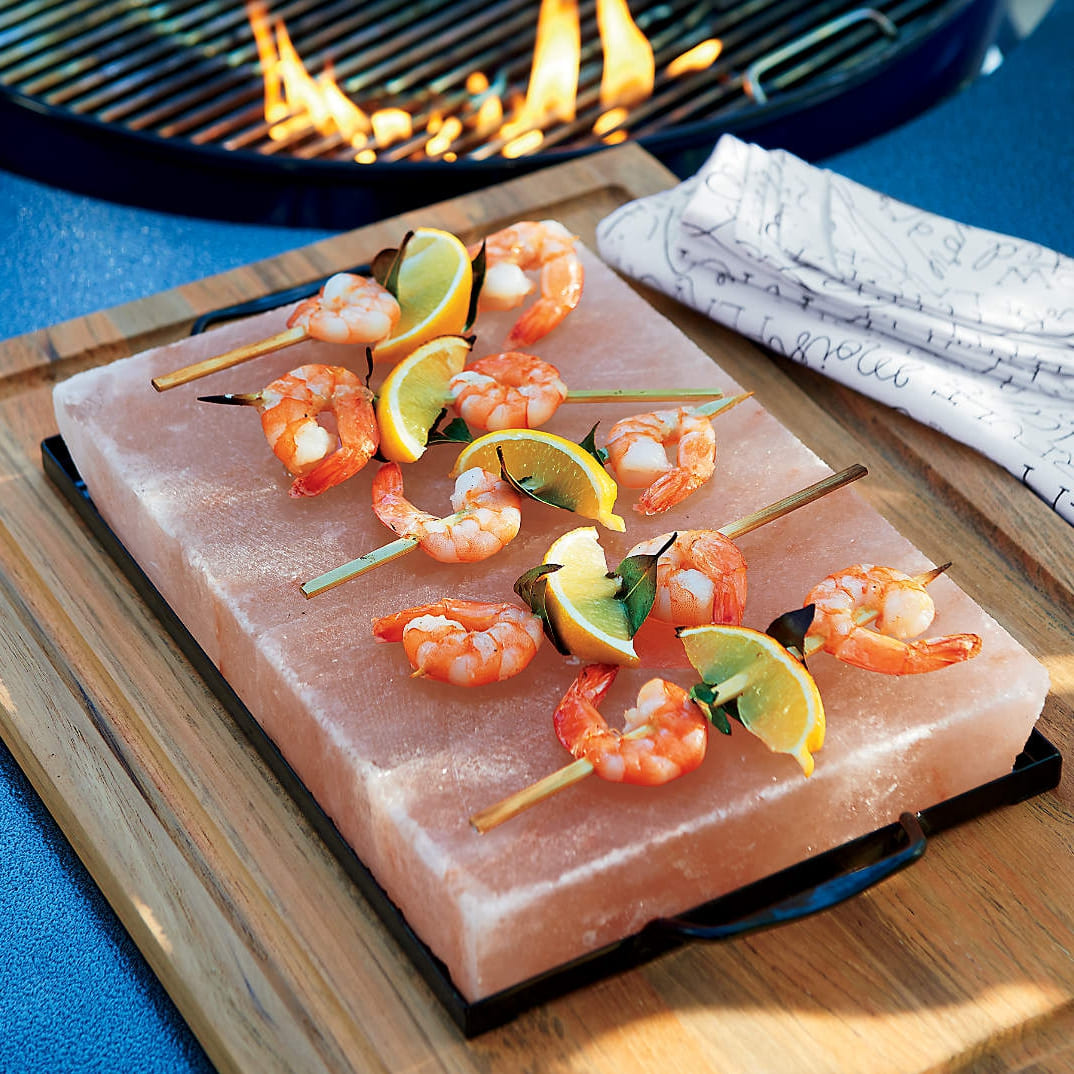
Once evenly heated, place your prepared ingredients—meats, seafood, or vegetables—directly on the surface. The block’s uniform heat distribution sears food cleanly while imparting a subtle mineral note. Because salt blocks retain heat differently from metal cookware, monitor cooking time closely. Turn ingredients carefully using tongs to avoid surface damage, allowing the block to enhance flavor naturally without extra seasoning.
Step 3: Cool, Clean, and Store Correctly
After cooking, allow the block to cool completely before cleaning. Wipe it with a lightly damp sponge or cloth—never immerse it in water or use detergent, as salt dissolves readily. Once dry, store in a cool, low‑humidity environment to preserve its structure and crystalline finish for future use. The same block can also serve chilled dishes, from sushi to desserts, offering versatility well beyond cooking applications.
Premium Himalayan Salt Blocks for Culinary and Hospitality Use
Partner with Jilin Ever Creation to source authentic, food-grade pink Himalayan salt blocks mined from the Khewra Salt Mine in Pakistan. These mineral-rich slabs enhance both flavor and presentation, serving as ideal surfaces for cooking, curing, or plating. Choose from customizable sizes, private labeling options, and global delivery support designed for professional kitchens and hospitality operations.
Geological Origins and Mineral Composition
Himalayan salt blocks originate from ancient seabeds that crystallized over 250 million years ago in Pakistan’s Salt Range of Punjab. As prehistoric oceans evaporated, layers of mineral-rich salt were deposited, later buried and compressed by tectonic activity over millions of years.
The salt used for these blocks is sourced from the Khewra Salt Mine, one of the world’s oldest and largest operational salt mines. Miners extract the salt in solid slabs, preserving the natural striations and tonal variations that reveal its geological formation.
Each block contains more than eighty trace minerals, including magnesium, potassium, and calcium. Iron oxide gives the salt its characteristic pink hue, while the broader mineral profile subtly influences both color and flavor, adding trace nutrients valued in culinary use.
This ancient geological origin and mineral diversity give Himalayan salt blocks their distinctive physical structure and culinary performance, distinguishing them from refined table or common rock salts.
Why Himalayan Salt Blocks Are Ideal for Cooking
Himalayan salt blocks are prized for their precise and consistent heat performance. Carved from ancient sea deposits in Pakistan’s Khewra region, their dense crystalline structure distributes heat evenly across the surface. This uniform conduction makes them ideal for searing, grilling, or baking without burning delicate ingredients.
In addition to their thermal stability, the blocks naturally inhibit bacterial growth, creating a cleaner and more hygienic cooking surface. When properly heated, they retain high temperatures for extended periods, minimizing the need for constant reheating.
Unlike refined salt, a Himalayan block imparts a restrained mineral salinity that enhances natural flavors rather than masking them. Meats, seafood, and vegetables maintain their authentic taste while gaining a subtle, balanced seasoning.
Because they retain both heat and cold effectively, Himalayan salt blocks also excel in chilled applications—ideal for serving sushi, cheeses, or desserts with refined presentation and dependable temperature control.
Food-Grade vs. Decorative Salt Blocks: Understanding the Difference
Not all Himalayan salt blocks are safe for culinary use. Food-grade blocks are specifically selected and processed to meet hygiene and structural standards that allow direct contact with food. They are evenly cut, polished, and free from natural imperfections, ensuring uniform heating and reducing the risk of cracking during use.
Decorative salt products—such as lamps or rough-edged display pieces—often originate from the same mines but undergo minimal refinement. Their natural fissures, mineral inclusions, and irregular textures make them unsuitable for cooking or contact with food. These pieces are purely ornamental or used for ambient lighting, not for heating or preparation.
When sourcing salt blocks, always verify that they are labeled food-grade with consistent thickness and a smooth surface for temperature control. This distinction protects food safety, ensures reliable performance, and preserves the block’s structural integrity over time.
Expert Tips & Common Mistakes When Using Himalayan Salt Blocks
Himalayan salt blocks can elevate both flavor and presentation, but they require careful handling to remain safe and durable. The most frequent problems arise from uneven heating, incorrect cleaning, or using non‑food‑grade salt. The table below outlines common mistakes and straightforward ways to prevent them, helping you preserve your block’s structure, appearance, and performance.
| Common Mistake | How to Avoid |
|---|---|
| Heating the salt block too quickly, causing cracks | Increase heat gradually over 30–45 minutes to prevent thermal shock. |
| Submerging the salt block in water | Clean with a damp sponge and dry immediately; never soak or use detergent. |
| Using non‑food‑grade salt blocks for cooking | Verify the block is certified food‑grade and purchased from a reputable supplier. |
| Placing a cold salt block directly on high heat | Begin with low heat and raise the temperature slowly to avoid stress fractures. |
| Cleaning before the block has fully cooled | Allow the block to reach room temperature before wiping to prevent cracking. |
Following these practices extends the lifespan of your Himalayan salt block and ensures reliable, evenly seasoned cooking results. Proper heating and maintenance protect both its structural integrity and the distinctive mineral character that defines its quality.
Frequently Asked Questions About Himalayan Salt Blocks
Where does the pink color of Himalayan salt come from?
The pink hue comes from trace minerals such as iron, magnesium, and calcium within the salt’s crystal structure. These natural elements create its distinct coloration, with iron oxide contributing most to the characteristic rosy tone.
Is the salt used in Himalayan salt lamps the same as that used for cooking blocks?
Both originate from the Khewra Salt Mine, but only food‑grade Himalayan salt meets culinary standards. Cooking blocks are cut and finished for purity and structural strength, while lamp salt is decorative and may contain inclusions unsuitable for direct food contact.
Why doesn’t a Himalayan salt block melt during cooking?
Salt melts at approximately 1,470 °F (800 °C)—far above standard cooking temperatures. The block remains solid under normal use but may crack if heated too quickly. Gradual, even warming protects its structure and ensures uniform heat distribution.
Can any salt block be used for cooking?
No. Only certified food‑grade Himalayan salt blocks are suitable for cooking. They are inspected for purity and density to withstand high temperatures, while decorative or lower‑grade blocks may contain impurities and fracture when heated.
How does Himalayan salt differ from regular table salt?
Regular table salt is refined and often blended with additives, while Himalayan salt remains natural and minimally processed. Its more than 80 trace minerals influence flavor and color, giving foods a mild, mineral‑rich taste distinct from conventional salt.
Final Thoughts
Cooking on a Himalayan salt block combines aesthetic appeal with functional performance. Each block imparts a gentle mineral note that enhances natural flavors and elevates presentation. Its capacity to withstand both high and low temperatures gives chefs and home cooks creative range—from sizzling meats to chilled desserts.
Consistent care—gradual heating, proper cleaning, and dry storage—protects the block’s structure and extends its lifespan. Formed over millions of years, it remains a durable, versatile surface for everyday culinary use.
To explore its full potential, experiment with searing seafood, cooling sweet courses, or serving appetizers on a tempered slab. Each use reveals how this ancient material transforms simple ingredients into refined dining experiences.
Experience the quality firsthand with our trial order – an easy way to test these high-margin products with just a $500 investment. Get in touch to start your trial order today!