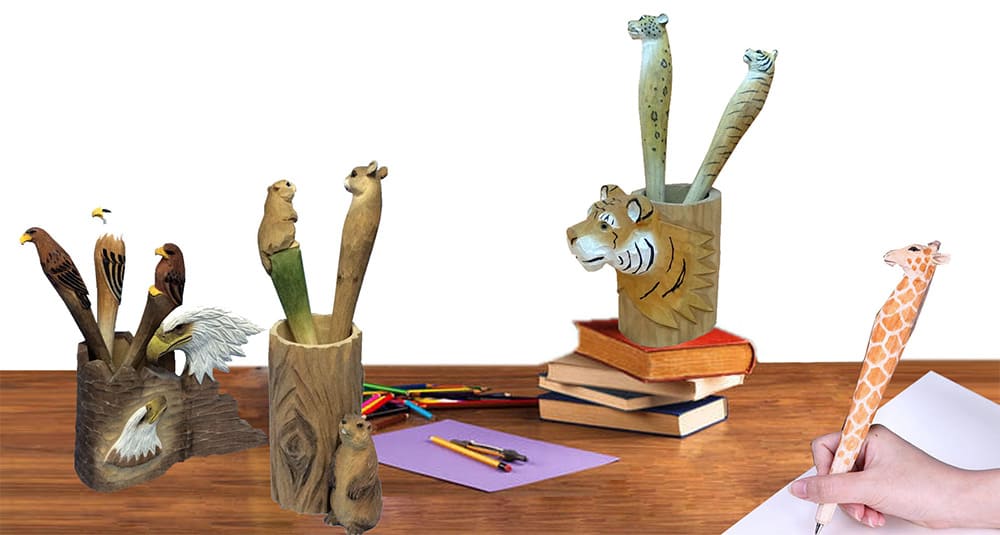
Museum and zoo retail managers face the constant challenge of finding merchandise that functions as an extension of their educational exhibits without compromising on safety or institutional prestige. Generic wildlife toys rarely capture the specific anatomical details of local species or meet the strict mission-driven standards required for cultural gift shops. Selecting high-quality, sustainable products that resonate with conservation-minded visitors is essential for turning a retail space into a final classroom for guests.
This article details how handcrafted basswood carvings and custom OEM designs bridge the gap between educational value and retail revenue. We break down technical benchmarks for FSC and EN71 compliance, examine point-of-sale hardware designed for high-traffic zones. You will also see how facilities like the Cincinnati Zoo achieved a 5.9% increase in retail sales by integrating real-time data with their inventory strategy.
The Museum Store Standard
The Museum Store Standard prioritizes mission-driven retail, where every product supports educational goals. It requires strict adherence to MSA Knowledge Standards and international safety certifications like FSC and EN71, ensuring that gifts reflect the institution’s prestige and commitment to quality.
Mission Alignment and Educational Value
Retail operations within cultural institutions function as a direct extension of the exhibition space. We select merchandise that reinforces the visitor experience and aligns with the institutional mission. Every product provides educational context or historical relevance to current 2026 exhibits, ensuring that the gift shop acts as a final classroom for the guest. This strategic alignment supports the non-profit status of the organization by focusing inventory on mission-related sales rather than generic commercial goods.
Certification Compliance and Inventory Benchmarks
Technical benchmarks define the quality and safety of museum-grade products. We verify all wood-based items against FSC and BSCI reports to ensure they meet ethical and environmental sustainability requirements. For novelty and educational toys intended for young visitors, inventory must strictly adhere to EN71-1, EN71-2, and EN71-3 safety standards. Beyond product safety, we implement Museum Store Association (MSA) Knowledge Standards to manage merchandise receiving and maintain high accuracy in inventory tracking systems.
Educational Value of Realistic Carvings
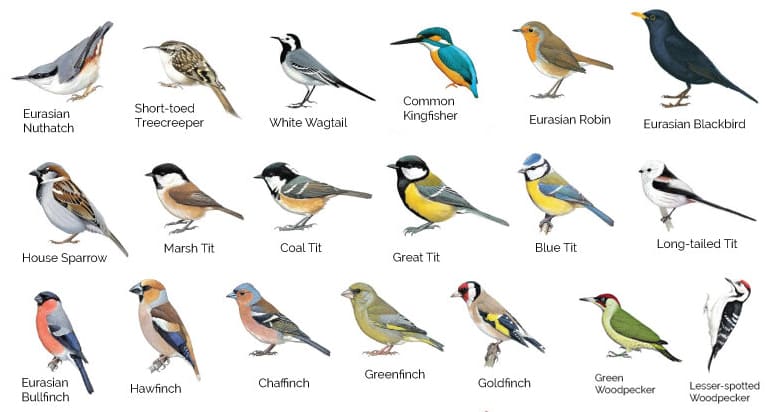
Realistic carvings enhance learning by providing anatomically accurate representations that foster vocabulary development and scientific classification skills. These tools engage students through multi-sensory observation—linking physical textures like scales or fur to real-world biology—while supporting conservation awareness through hands-on interaction with wildlife models.
Anatomical Accuracy in Cognitive Development
Detailed animal carvings function as physical anchors for cognitive growth in educational settings. When students manipulate specific textures representing fur, scales, or feathers, they develop fine motor skills and hand-eye coordination. This tactile engagement allows learners to bridge the gap between abstract biological concepts and physical reality, providing a more grounded learning experience than stylized toys.
The presence of specific anatomical features like talons, manes, and beaks promotes rapid vocabulary expansion. Learners move beyond generic identifications to observe and name specific biological traits, which facilitates comparative observation. This level of detail supports scientific classification and helps students understand ecosystem dynamics through accurate representations that avoid the confusion of abstract distortion.
Curriculum Integration and Safety Standards
Educators integrate these realistic models into biology lesson plans to explore habitats, food chains, and midline anatomical features. These tools provide a practical method for studying biological systems, especially when models offer midline separability for internal organ visibility. Such hands-on study improves the retention of complex information by making scientific observation a memorable, physical activity.
To ensure longevity in high-traffic museum and zoo environments, these carvings meet international safety and quality protocols. Compliance with EN71-1/-2/-3 and ISO 9001 standards ensures the models remain durable for generational use. Beyond academic metrics, these carvings foster conservation empathy by creating tangible connections to endangered species, helping students understand ecological roles through direct interaction with realistic wildlife models.
Custom Species for Local Wildlife
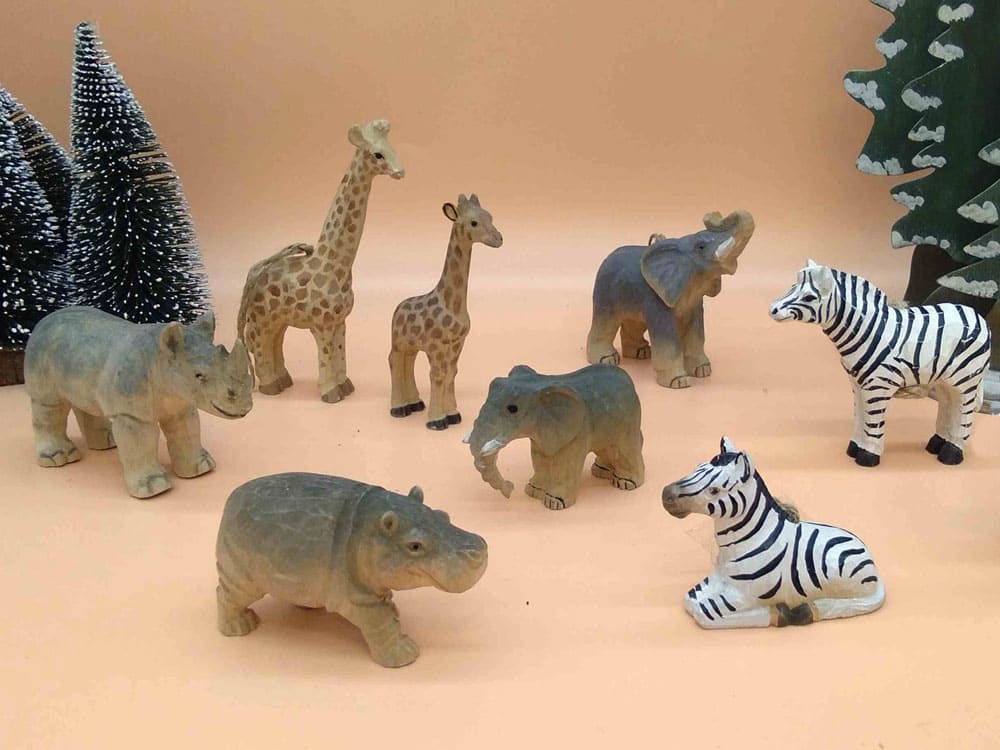
Zoos and conservation centers in 2026 prioritize merchandise that reflects their specific regional residents. Through OEM and ODM services, gift shops commission handcrafted basswood carvings of local species such as regional otters or raccoons, ensuring retail items align with educational displays while meeting international safety requirements including EN71 and ISO 9001 standards.
| Species Category | Material Specification | Compliance Standards |
|---|---|---|
| Local Small Mammals | Sustainable Basswood Carvings | EN71-1/2/3, UKCA, ISO 9001 |
| Regional Primates | Acoustic & Anti-Reflective Glass | FSC, BSCI, ISO 9001 |
| Large Carnivores | 3x12mm PVB Laminated Safety Panels | ASTM, ISO 9001 |
Species-Specific Design and Behavioral Accuracy
R&D teams translate specific animal behaviors into detailed wood carving designs. These designers study the unique posture of a Sumatran tiger or the characteristic playfulness of a river otter to create accurate replicas. Customization options help zoo gift shops move away from generic wildlife toys. This allows retail managers to offer items that represent their specific conservation programs and regional fauna.
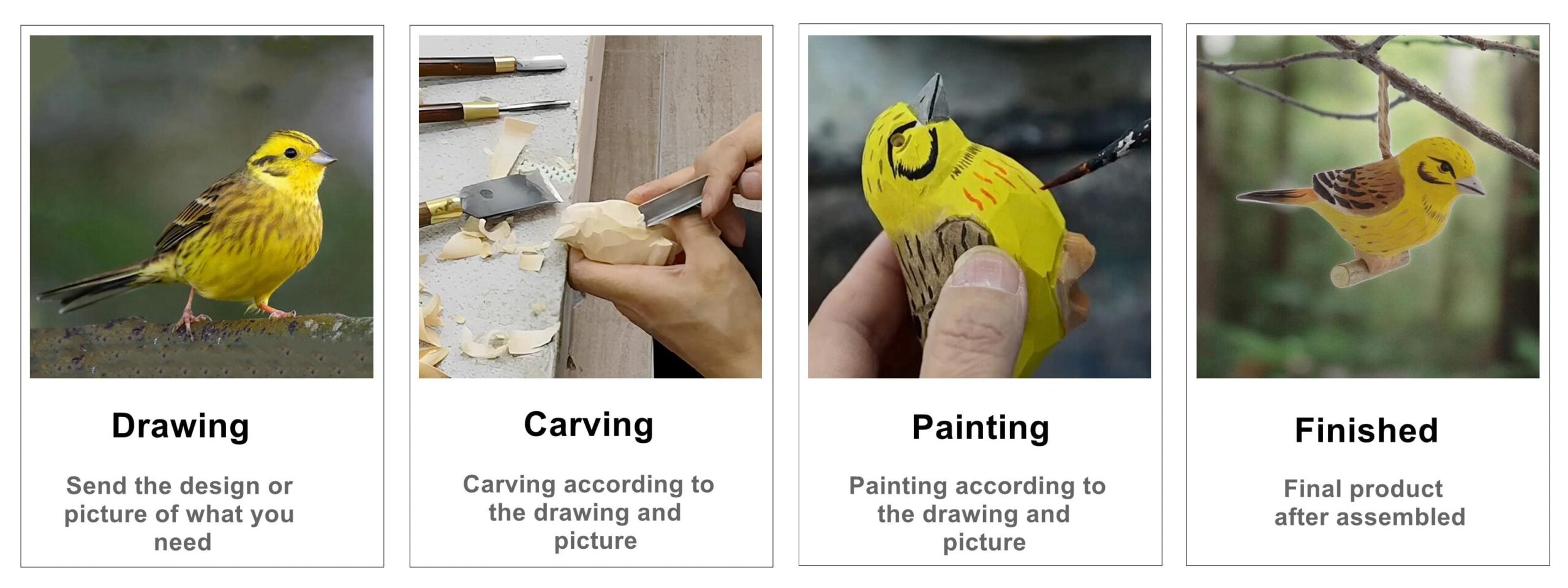
The OEM process converts client sketches or high-resolution photographs of local residents into market-ready 3D wooden models. This manufacturing path supports niche branding for individual institutions through a 300-piece minimum order quantity. By focusing on behavioral accuracy, institutions bridge the gap between educational exhibits and the retail experience.
Quality Assurance and Material Specifications
Artisans select sustainable basswood sourced from primeval forests for its consistent grain and structural integrity. This material choice ensures optimal humidity levels to prevent cracking when products sit in various retail environments. Manufacturing protocols strictly follow FSC and BSCI standards to guarantee ethical sourcing for conservation-minded organizations.
Finished products undergo multi-stage inspections to verify safety and durability. These tests ensure full compliance with EN71, UKCA, and ISO 9001 certifications. For technical installations, species-specific engineering extends to laminated safety glass and architectural mesh designed to withstand wind resistance and animal impact. These rigorous standards ensure that both the educational displays and the corresponding retail merchandise meet the highest safety requirements for zoo and museum visitors.
Protect Your Brand with Certified OEM/ODM Excellence
Point-of-Sale Display Ideas
In 2026, museum and zoo gift shops optimize checkouts using high-luminance VFD pole displays and stretch LCD monitors. These tools promote handcrafted items like basswood carvings while providing clear transaction data via 10.5 mm character heights and 360° swivel mounts, ensuring visibility in crowded retail environments.
Customer Engagement via Interactive Display Hardware
Retailers deploy 37-inch stretch monitors with 1920×540 resolution to showcase high-definition media of custom animal carvings and current promotional offers. These wide-format screens grab attention in busy environments, while 15-inch LED LCD touchscreens with 1024×768 resolution facilitate interactive animal customizers, letting visitors personalize gift selections at the counter. Dual-sided VFD displays flash targeted promotions, such as discounted plush toys or eco-friendly carved pens, to customers waiting in the queue. Positioning bezel-free 10.1-inch wide-screen variants at eye level ensures clear itemized pricing and strengthens trust during the final transaction phase.
Technical Performance for High-Traffic Retail Zones
Hardware selection focuses on 690 cd/m² luminance to maintain readability under the harsh overhead lighting typical of zoo entrance kiosks and museum galleries. Pole-mounted systems with a 23-inch height and 20° tilt capability meet ergonomic standards for diverse customer demographics and varying counter heights. Durable UV-stable ABS plastic enclosures protect internal components, allowing hardware to operate reliably in temperatures ranging from 0° to 50°C. Utilizing 2×20 character VFD technology with a 5×7 dot matrix provides a viewable range of 10 feet and a 45° viewing angle, which maintains wait-line transparency in high-volume retail zones.

Pricing for High Perceived Value
High perceived value pricing uses the emotional connection of museum and zoo visits to justify premium markups. Retailers achieve 15-40% conversion rates by pricing handcrafted items based on uniqueness rather than cost. This strategy supports average transactions of $25-60 and helps gift shops reach revenue targets exceeding $400 per square foot.
Profit Models for Handcrafted Souvenirs
Applying a 2.5x to 3x cost markup on hand-carved basswood animals signals premium artisan quality and aligns the price with the guest’s experience. Retailers maximize net returns by targeting a Cost of Goods Sold (COGS) between 35% and 50% for these exclusive lines. This margin provides the necessary buffer for operational costs while reflecting the unique nature of handcrafted inventory.
Spectrum pricing ensures the shop captures revenue from all visitor types by offering accessible entry-level items alongside high-ticket collector pieces. Because unique carvings lack direct price comparisons at local big-box retailers, shops avoid uniform keystone pricing. Setting prices based on the visual appeal and rarity of the carving allows for higher margins than standard retail items.
Benchmarks for Gift Shop Revenue Growth
Gift shops aim for $400 to $600 in annual revenue per square foot by aligning their inventory choices with 2026 visitor engagement trends. Maintaining net profit margins of 15% to 25% on exclusive merchandise ensures the shop remains a sustainable revenue source for the parent institution. These benchmarks reflect the efficiency of the shop in converting floor space into financial support for the organization’s mission.
Successful retailers prepare for a 20% to 60% seasonal sales uplift during the 2026 summer and holiday peaks by stocking high-margin items early. Tracking average transaction values keeps the shop within the high-performance range of $35 to $60. Monitoring these data points allows managers to adjust pricing and inventory mix in real-time to match consumer spending habits.

Streamlined Reordering
Automated reordering utilizes real-time tracking and pre-set inventory thresholds to trigger replenishment without manual intervention. By calculating Reorder Points (ROP) and safety stock levels, gift shops reduce order cycle times by 30% and lower carrying costs by 15%, ensuring popular items remain in stock while minimizing waste.
Logic-Based Inventory Thresholds
The system determines replenishment timing by calculating Reorder Points (ROP) based on average daily usage and supplier lead times. Safety stock buffers provide a secondary layer of protection against demand variability, preventing stockouts during unexpected traffic spikes at museum or zoo locations. Real-time monitoring relies on barcode scanning and RFID sensors to maintain data accuracy within the central inventory platform. Using ABC/XYZ classification optimizes the process by prioritizing high-value and high-turnover items for more frequent automated oversight.
Operational Gains and Efficiency Metrics
Automated replenishment triggers reduce order cycle times by 30% by eliminating manual verification delays. Just-in-time inventory techniques decrease carrying costs by 15%, ensuring retail capital remains fluid rather than tied up in excess warehouse stock. Logistics platforms leveraging AI-driven task scheduling boost warehouse throughput by 20%, while RFID technology integration cuts shipment dispatch errors by 30%. These improvements collectively stabilize supply chain performance and ensure that popular gift items remain available for visitors.
Final Thoughts
Museum stores and zoo gift shops act as extensions of the learning experience rather than simple retail spaces. Choosing mission-aligned products like handcrafted basswood carvings ensures every purchase supports conservation awareness and scientific education. These items offer the anatomical accuracy needed to engage students while meeting the safety and sustainability standards required by major institutions. Prioritizing quality and ethical sourcing helps gift shops maintain their role as reliable educational partners.
Integrating custom regional species through OEM services and using data-driven POS hardware allows gift shops to reach higher revenue benchmarks. These strategies help institutions hit financial targets of $400 to $600 per square foot while protecting net profit margins. Reliable reordering systems and detailed inventory tracking keep popular, handcrafted items available during busy seasonal peaks. Focusing on both educational value and efficient retail operations helps cultural organizations fund their work through sustainable commerce.
Frequently Asked Questions
Can you manufacture carvings of birds specific to our local region?
We customize carvings to represent specific regional wildlife. Artisans modify designs to match the dimensions and features of local species such as sparrows, swallows, starlings, pigeons, and gulls.
What is the typical markup potential for these handcrafted items?
Retailers in the gift, novelty, and souvenir sector, including zoo and museum shops, typically achieve an industry-standard markup of 91.9%.
Are specific display fixtures or stands available for these collections?
Multiple display solutions support these products, including 1.7-meter high modular rustic cube islands and 20.5-inch tall rotating tabletop units. Custom fixtures often include pegboards and mobile hangers set at heights accessible to children.
Do the items support standard retail barcoding and inventory tracking?
Yes. All products accommodate standard retail barcodes for scanning. For advanced animal tracking or high-value inventory, PIT tags provide a readable range of up to 12 inches.
What are the turnaround times for restocking seasonal inventory?
Most orders process within 2 to 5 business days, with shipping times ranging from 3 to 9 days for ground delivery. Successful gift shops generally maintain an inventory turnover ratio between 2.00 and 3.75 cycles per year.