Skip to content
Key Takeaways
- Inspect paint adhesion and rub-fastness on every lot; hand-painted finish is the #1 return driver.
- Require moisture and drop-test reports with each shipment, not just at first approval, to catch batch drift.
- Verify EN71 migration tests for painted pieces sold toward children before you commit large volume.
A hand-painted wooden ornament is only as good as the inspection it passed. The paint that looks perfect in a supplier photo can arrive rubbed, tacky, or flaking if adhesion, curing, and packing were not controlled. Ornament quality control import is therefore a checklist discipline: the importer who specifies and verifies a handful of physical tests receives a sellable shipment; the one who trusts the sample alone receives a surprise. This guide lists the inspections that matter for hand-painted wooden ornaments and how to enforce them.
Hand-painting adds variability that machine finishing does not. Each painter applies slightly different film thickness, and curing can vary by batch and weather. That variability is what makes the craft appealing, but it is also where defects enter. A good QC program does not try to eliminate the hand-made character; it puts guardrails around the few failure modes that actually cause returns: paint that rubs off, wood that warps or cracks, and packaging that lets pieces knock together.
Paint Adhesion & Rub-Fastness
The single most common complaint on painted ornaments is finish wear: paint that transfers to hands or rubs away at edges. Specify a cross-cut or tape adhesion test and a dry-rub test on each production lot, and require the supplier to record results. Equally important is cure: paint that is packed before it fully cures will block (stick) in a warm container and arrive marked. Insist on a defined cure time before packing and verify it is observed, especially in humid seasons.

Moisture, Warping & Cracking
Wood moves with moisture, and a painted ornament hides stress until it cracks weeks after arrival. Require a moisture-content reading (kiln-dried to a controlled range) on each batch and a visual check for hairline checks before painting, because paint over a micro-crack guarantees a visible crack later. In dry climates the risk is cracking; in humid transit the risk is swelling and finish blushing. A moisture test report per shipment is cheap insurance against a container of delayed failures.

Drop Testing & Packaging Integrity
Even unbreakable wood can be ruined by packaging that lets pieces contact each other. Specify individual sleeving or dividers, then prove the system with a carton drop test (the standard six-side, corner, and edge drops) at the packed weight. The drop test should be run on production packing, not a hand-built sample, because real cartons are packed faster and looser. A passed drop test on production packing is the strongest single predictor of low in-transit damage.

Safety Documentation for Painted Pieces
Because hand-painted ornaments are often bought for children’s rooms, treat the paint as a regulated surface. In the EU, migration of certain elements from the paint is governed by the EN71 toy-safety standard; request the migration test report for the exact paint system used, not a generic certificate. Pair it with a declaration of the finish chemistry (water-based, non-toxic) and keep both on file. This documentation is what lets a retailer say “safe for kids” with confidence, and it is the difference between a premium claim and a liability.
Make the QC package a condition of payment release: adhesion and rub test, moisture report, drop test on production packing, and EN71 migration report. Suppliers who know these are non-negotiable produce to them; the inspection regime, more than any single test, is what raises the average quality of every lot you receive. Anchor the program with a trusted wooden ornaments wholesale partner, confirm capability on a factory tour, and keep the same checklist inside your broader wholesale wooden crafts sourcing so quality is uniform across the range.
Sampling & the Golden Reference
Before volume, approve a golden reference painted to the exact finish you expect, and keep it tagged with the lot and paint batch. Hand-painted product drifts subtly over time — a shade lighter, a glossier topcoat — and without a physical reference the drift goes unnoticed until a retailer compares two seasons side by side. The golden reference, paired with the approved paint formulation, is the anchor that keeps reorders matching the original.
Use the sample stage to stress-test, not just admire. Run your own rub test on the sample, leave one in a sunny window for a week to check for fading, and drop the packed sample carton. Buyers who torture the sample catch problems the factory’s own QC may miss, and they arrive at production with realistic, agreed standards rather than optimistic ones.
Working With the Painter Line
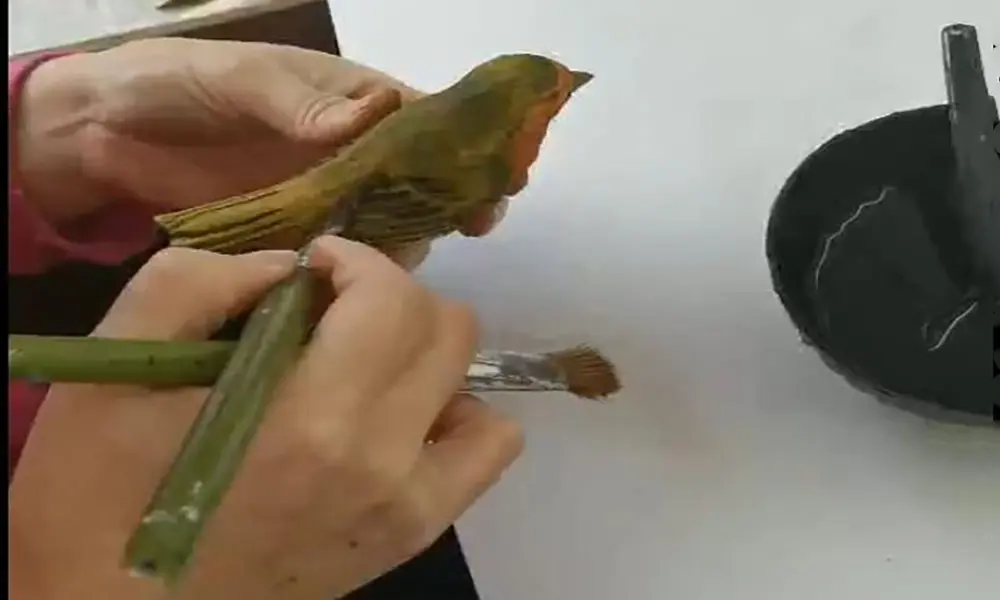
Finally, understand that hand-painting is a capacity and skill constraint. A painting line has a finite number of skilled painters, and quality varies between them. Ask how the factory assigns painters to your order, how it balances color across a batch, and how it handles a painter’s absence mid-order. A supplier with documented painter training and batch-color control will deliver a tighter range of finish, which is exactly what a retail wall needs to look coherent. This human factor is why the ornament supplier’s management systems matter as much as its test reports, and why a factory visit that watches the painting line tells you more than any certificate.
AQL Sampling & Lot Acceptance
Beyond the physical tests, define how many pieces you inspect and what defect level you accept. Use an AQL sampling plan for visual defects — paint skips, dust nibs, glue marks, asymmetry — with a tighter limit for critical faults (flaking paint, sharp edges) than for minor cosmetic ones. Hand-painted product will never be flawless, so the goal is not zero defects but a known, acceptable rate that your retail channel can absorb without returns. Writing the AQL into the purchase order removes ambiguity at inspection.
Decide in advance what happens when a lot fails: rework, discount, or reject, and who pays for each. Pre-agreed consequences keep a failed inspection from becoming a negotiation under pressure, and they give the factory a clear incentive to hold the line. Combine the AQL with the physical test package and you have a complete, enforceable quality contract for every shipment of hand-painted ornaments, consistent with your wider wholesale wooden crafts standards.
Quality control for hand-painted ornaments is not a single inspection but a system: a golden reference, a physical test package, an AQL plan, and pre-agreed consequences, repeated on every lot. Buyers who install that system stop receiving surprises and start receiving product that matches the sample that won the order. Over time the system also selects for better suppliers, because factories that can meet a clear, consistent standard will quote it confidently and prioritize the buyer who enforces it. That is how a hand-painted line stays beautiful, compliant, and profitable at scale.
Begin with the checklist on your next order and refine it each season against your return data. Within a couple of cycles the inspection regime becomes routine, your defect rate falls, and your hand-painted ornament line earns the reputation — and the reorders — that come from consistently sellable product.
Remember that every report you collect — adhesion, moisture, drop, migration — is also a selling tool: retailers and marketplaces increasingly ask for exactly this documentation, and having it ready turns your quality program into a competitive advantage at the point of sale.
The result is a hand-painted ornament program that arrives sellable, stays compliant, and builds the kind of retailer confidence that turns a first order into a standing one.
Treat the checklist as living documentation that improves with every season’s return data, and the hand-painted line will keep getting easier to buy and easier to sell.

Frequently Asked Questions
What is the most common defect on hand-painted ornaments?
Finish wear: paint that rubs off, transfers, or flakes at edges. Specify adhesion and rub-fastness tests on every lot and a defined cure time before packing.
Why require a moisture report per shipment?
Wood moves with moisture and a painted ornament hides stress until it cracks after arrival. A per-batch moisture reading catches the problem before it becomes a delayed failure.
Should the drop test use sample or production packing?
Production packing. Real cartons are packed faster and looser than hand-built samples, so only a drop test on production packing predicts actual in-transit damage.
What safety test applies to painted ornaments for kids?
In the EU, EN71 migration-of-elements testing applies to the paint surface. Request the report for the exact paint system used, plus a water-based, non-toxic finish declaration.
How do I enforce the QC checklist?
Make the QC package (adhesion/rub test, moisture report, production drop test, EN71 migration report) a condition of payment release. Non-negotiable requirements produce consistent lots.
Import Hand-Painted Ornaments with a Verified QC Package
Source hand-painted wooden ornaments backed by adhesion, moisture, drop-test, and EN71 migration documentation on every lot, so every shipment arrives sellable.
Browse Wooden Ornaments →