Skip to content
Key Takeaways
- Lead with wood’s biodegradability and craft story; plastic alternatives are now a liability, not a neutral.
- Replace plastic SKUs shelf by shelf, starting with the category your customers touch most first.
- Verify every wood claim with species and finish data; a vague “eco” tag on wood invites the same scrutiny as on plastic.
Retailers are quietly removing plastic from shelves, and the movement is being driven by shoppers, not regulators. Plastic free wooden retailer are being adopted not because a law demands it but because customers now equate plastic with waste and wood with care. For a gift or home-decor retailer, switching a plastic ornament, figurine, or display fixture to a wooden equivalent is the single fastest way to refresh the store’s sustainability credentials and lift the perceived quality of the category. This guide explains why the shift is happening and how to execute it without disrupting the shelf.
The momentum comes from three directions. Consumer sentiment has shifted: surveys consistently show shoppers prefer natural materials, especially for gifts and home goods. Retailers themselves are setting internal plastic-reduction targets. And the circular-economy movement, championed by organisations such as the Ellen MacArthur Foundation, is pushing the entire supply chain toward reusable and biodegradable materials. Wood, as a renewable, biodegradable, and hand-crafted material, sits at the centre of all three trends.
Why Wood Wins the Shelf
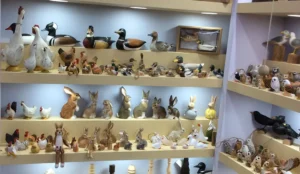
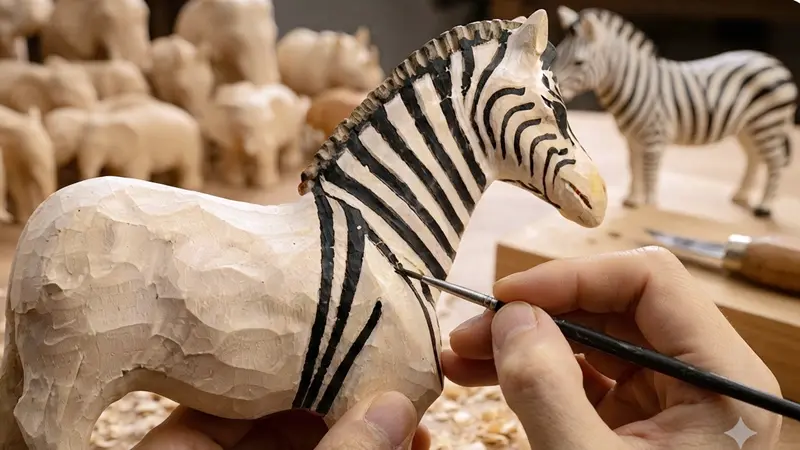
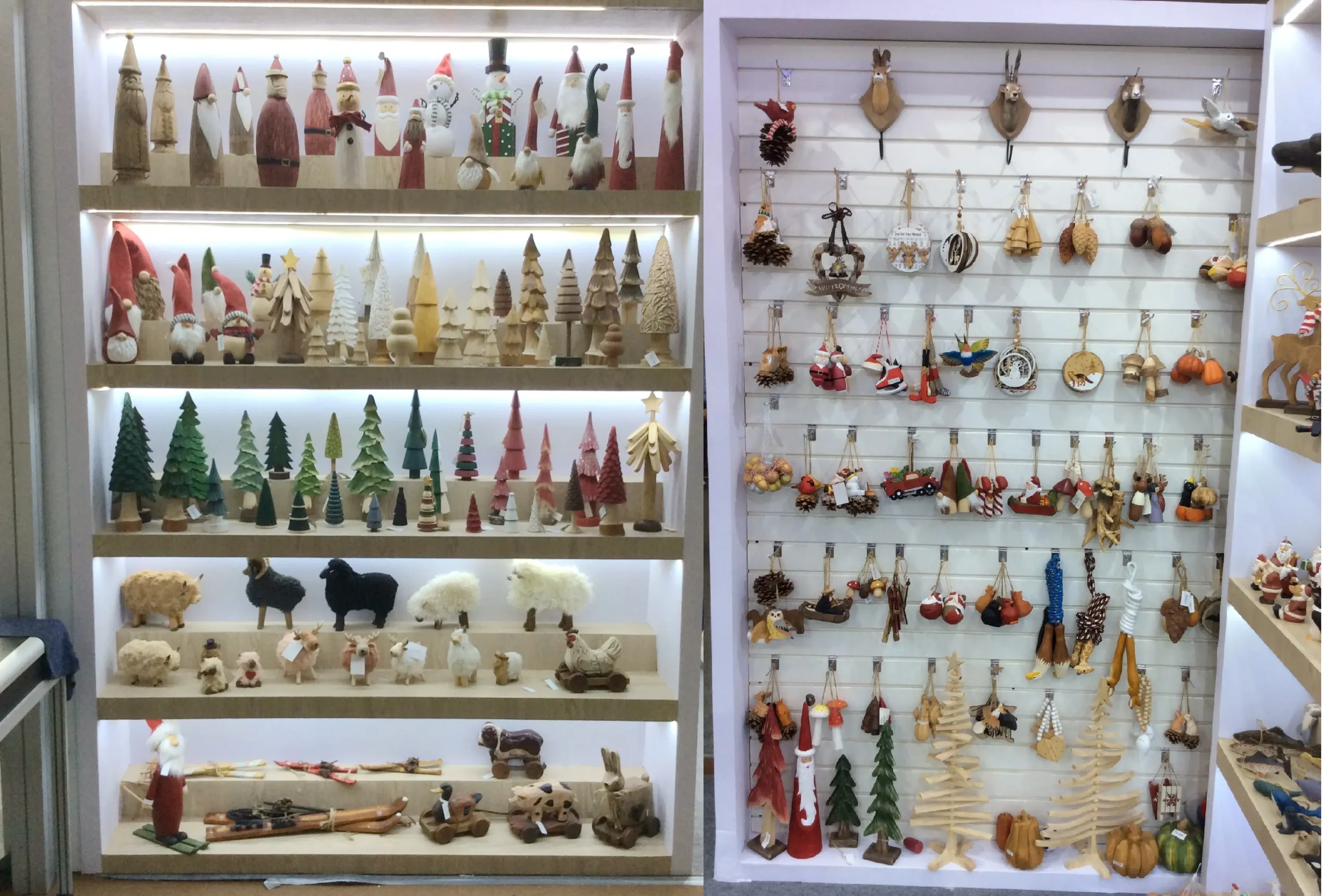
Wood outsells plastic on tactile appeal alone. Shoppers pick up a wooden figurine; they walk past a plastic one. The weight, the grain, and the visible tool marks all signal quality, and that signal translates directly to a higher acceptable price point. A wooden owl that costs a bit more to source than a plastic one can sell for a much higher retail price because the customer perceives it as a keepsake, not a commodity. The margin stacks in favour of wood even before you factor in the sustainability story, and the sustainability story adds a second layer of purchase motivation that plastic simply cannot match.
Switching Shelf by Shelf, Not All at Once
The most practical way to switch is category by category. Start with the category your customers touch most — ornaments, figurines, desk accessories — because tactile categories convert the wood advantage fastest. Replace the plastic SKU with a wooden equivalent, keep the shelf facing the same, and add a small shelf talker that names the wood species and finish. The replacement should be designed to sit in the same planogram footprint so the visual-merchandising team does not need to redesign the wall. Run the switch for a season, measure the sell-through delta, and use the data to justify the next category.

Beyond the Product: Fixtures, Packaging & Disposables
The plastic-reduction opportunity extends beyond the product. Wooden display fixtures, kraft packaging, and paper bags complete the story and are often cheaper than custom plastic alternatives. A retailer who switches the product to wood but keeps it in a plastic blister is telling a half-story that a customer will notice. The full replacement — product, packaging, and display — is what creates the coherent, photographable shelf that earns social media attention and word-of-mouth. And because the packaging and fixture spend is a one-time or low-frequency cost, the payback on the product margin alone can justify the investment.
Making the Switch Stick
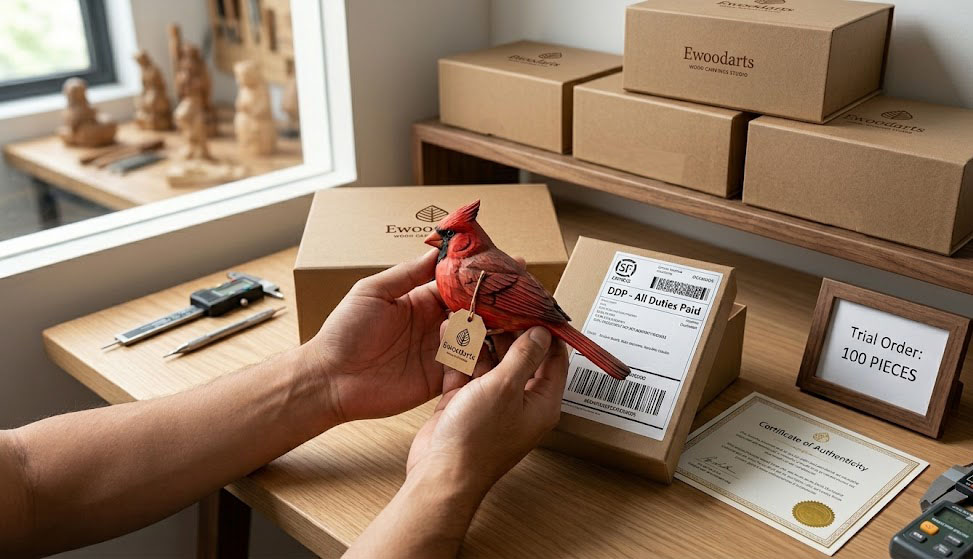
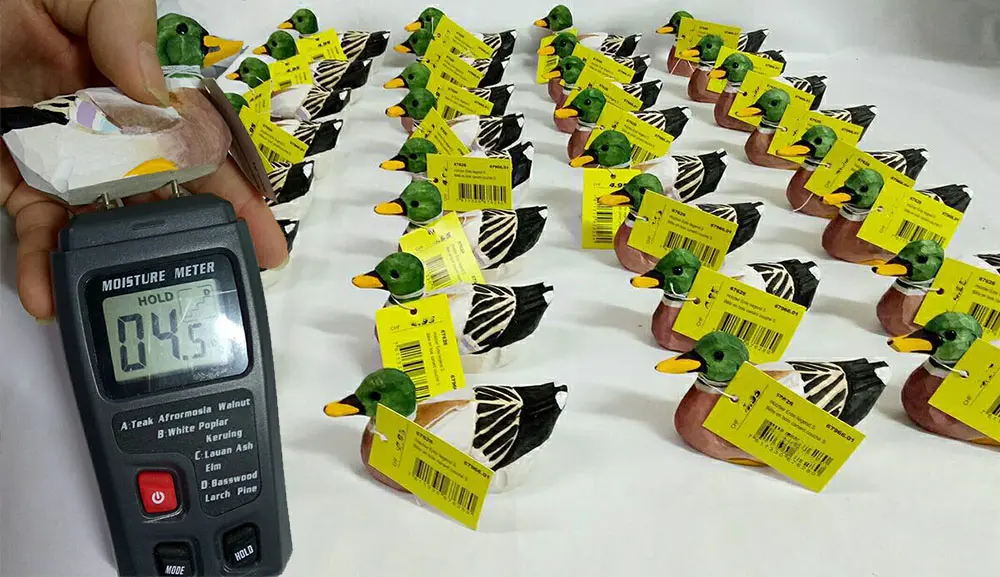
The switch from plastic to wood is durable only if the wooden alternative is consistently available, consistently finished, and backed by the species and finish data that a skeptical customer or a compliance team can check. Source from a single factory that can supply the full range, so the finish and quality stay coherent across categories. The wholesale wooden crafts program that runs your ornaments should also run your figurines and desk accessories, because consistency is what turns a temporary switch into a permanent shelf. Verify the factory’s material sourcing and finish systems on a factory tour and fold the plastic-reduction program into your custom manufacturing brief so every new SKU is designed in wood from the start, not converted later.
Building the Data Case for the Next Category
The switch from plastic to wood is a business case, not a moral one. Each category you switch should generate sell-through data, margin data, and customer feedback that justify the next category. Track the sell-through delta between the replaced plastic SKU and the wooden replacement, the margin per unit, and any qualitative feedback from staff and customers. After one season, you will have a data set that makes the argument for the next category without needing to invoke sustainability at all.
That data is also what justifies the switch to your own buying team and to any retail partners who are cautious about changing a proven line. Present the numbers, not the narrative, and the business case drives itself. The data from one switched category often reveals that the wooden alternative not only sells better at a higher price but also generates fewer returns, which is the margin argument that wins over the most sceptical buyer.
Supplier Partnership for the Long Switch
A full shelf switch is a multi-year program, and it needs a supplier who can grow with it. Choose a factory that can supply the full range of wholesale wooden crafts so the finish and quality stay coherent as you add categories. The factory should be able to provide species and finish documentation for every SKU and support the packaging switch with kraft and paper options. Verify the depth of the range and the documentation on a factory tour before committing to a multi-category program.
The partnership also needs to handle the reorder cadence of a switched category, which is different from a trial order. Wooden products have a longer lead time than plastic, so reorder points must be set earlier and buffer stock planned. A supplier who understands the replenishment rhythm of a switched category, and who holds safety stock on the right blanks, is the partner you need for the long switch. Build that into the custom manufacturing agreement from the start.
The switch from plastic to wood is not a campaign; it is a permanent shift in the way a retailer sources and presents its products. The buyers who treat it as a planned, measured, data-driven programme will find that every category they convert strengthens the next, and that the wooden shelf, once built, is one of the most resilient and profitable assets in the store.
The retailers who switch early and switch well will own the wooden shelf in their category, and the wooden shelf, once built, is remarkably hard to displace. That first-mover advantage, built on data and a strong supplier partnership, is the quiet reward of treating the plastic-to-wood transition as a strategic programme rather than a sustainability campaign.
The buyers who get this right are the ones who treat it as a system, not a checklist, and who apply it consistently across every order and every season. Over time, that system becomes the quiet engine of quality, repeat business, and margin that separates a sustainable wholesale program from a reactive one.
The retailers who are switching now are not just reducing plastic; they are building a merchandising identity around natural, tactile, sustainable materials. That identity resonates with the customers who are most loyal, most likely to recommend, and most willing to pay a premium. The wooden shelf is not just a replacement for the plastic one; it is a better, more profitable, more durable shelf in its own right.
That is the argument for starting the switch today, one category at a time, with data and a dependable supplier at your back.
The plastic-free shelf is not a campaign with an end date; it is the new baseline for gift and home-decor retail, and the stores that build it first will own it longest.
Frequently Asked Questions
Why are retailers switching plastic products to wood?
Because customers now equate plastic with waste and wood with care. Wooden alternatives sell at a higher price point, feel better in hand, and carry a sustainability story that plastic cannot match.
Where should I start the switch?
In the category your customers touch most: ornaments, figurines, and desk accessories. Tactile categories convert the wood advantage fastest and justify the next category.
Does the packaging need to change too?
Yes. A wooden product in a plastic blister tells a half-story. Kraft packaging, paper sleeves, and wooden displays complete the coherent look that earns social media and word-of-mouth.
How do I avoid greenwashing on wooden products?
Name the wood species and finish chemistry on the shelf tag and keep the data on file. A vague eco claim on wood invites the same scrutiny as one on plastic.
Is the switch to wood permanent or a trend?
The underlying consumer shift toward natural, tactile, biodegradable materials is structural, not a fad. The switch compounds as each category proves itself and data justifies the next.
Switch Your Shelves to Wooden Alternatives
Replace plastic ornaments, figurines, and gift lines with hand-carved wooden equivalents in consistent finishes, kraft packaging, and documented species data.
Explore Wholesale Wooden Crafts →