Skip to content
Key Takeaways
- Stock hand-painted animals as the premium tier at 2-3x the natural-finish price, and let the brushwork justify it.
- Natural-finish carvings sell on grain and warmth to minimalist, Scandinavian, and eco-conscious buyers.
- Source both finishes from one factory to keep carving style consistent; only the surface treatment differs.
The difference between a hand-painted wooden owl and a natural-finish one is not just the surface. It is the customer, the price point, and the shelf position. Hand painted animal carvings and natural-finish carvings are two different products for two different buyers, and the wholesale buyer who stocks both with intention captures the full spectrum of the market. This guide compares the two finishes on cost, quality control, market positioning, and the retail shelf.
The painted versus natural decision is one of the most consequential assortment choices a buyer makes, because it determines the price ladder, the QC plan, the customer segment, and the reorder pattern. Get it right, and the animal carving shelf becomes a balanced portfolio of volume and margin. Get it wrong, and the shelf becomes a confusing jumble of finishes that no customer understands.
The Hand-Painted Premium Tier
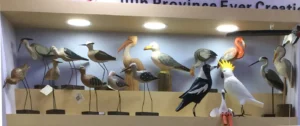
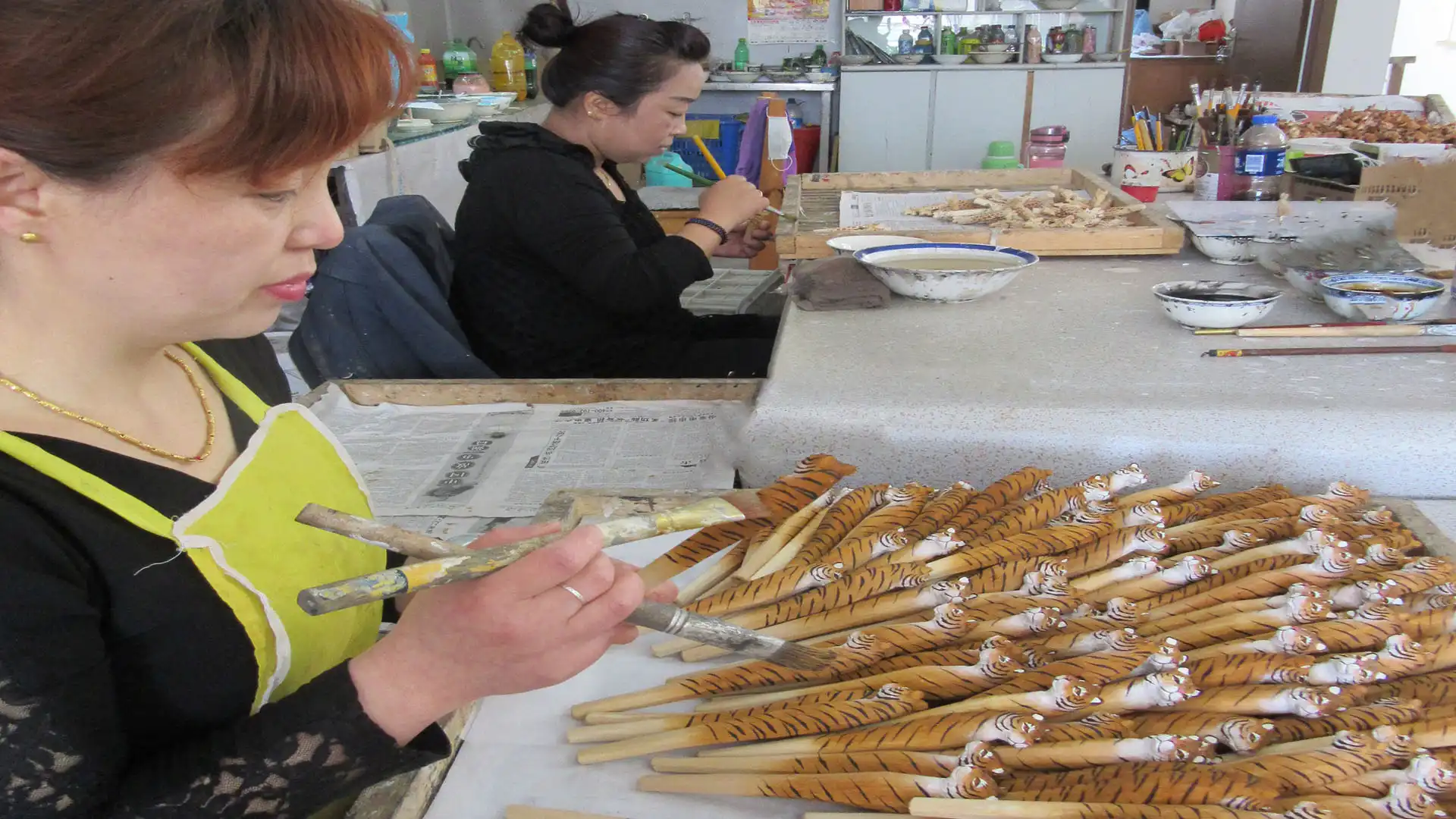
A hand-painted animal carving sells at a multiple of a natural-finish one because the brushwork is the value. Each piece carries visible colour variation that proves it passed through human hands, and that variation is what the customer pays for. The painted tier should be the premium anchor of the shelf, positioned at eye level with good lighting, and priced deliberately above the natural tier. The key quality risks on painted pieces are colour consistency between batches, paint adhesion, and the EN71 migration limits that apply if the piece is sold toward children. The EN71 toy-safety standard is the reference for paint safety in the EU, and the painted tier should carry a test report for the exact paint system used.
The Natural-Finish Appeal
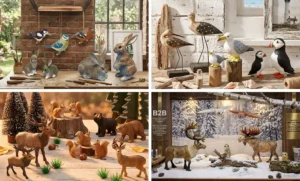
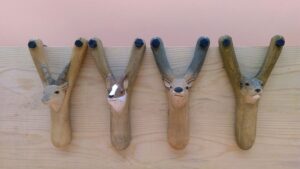
Natural-finish carvings are not unpainted; they are finished with a clear oil, wax, or matte lacquer that brings out the grain while leaving the wood visible. The appeal is the warmth of the material, the visible grain, and the minimalist aesthetic that fits Scandinavian, Japanese, and eco-conscious interiors. Natural-finish pieces are cheaper to produce because they skip the painting step, and they are more consistent because there is no colour to drift between batches. The trade-off is that they command a lower retail price, so they are best positioned as the accessible entry tier and mid tier on the shelf. They also photograph beautifully in the light-filled lifestyle imagery that dominates social media, which is a marketing advantage no paint can replicate.

Quality Control: Two Different Plans
The quality risks of the two finishes are different and must be managed separately. The painted QC plan should include a colour-match pass against the golden sample, an adhesion test, and an EN71 migration report if the product is sold toward children. The natural-finish QC plan should include a moisture-content check, a visual grain assessment, and a finish-absorption test. The two plans should be enforced at the same factory on the same production line, because a wood carving factory that can handle both finishes is a factory that understands the category. Verify both QC plans on a factory tour before committing to volume.
Shelf Strategy: Mixing the Finishes
The most effective animal carving shelf blends both finishes in a deliberate ratio. Place natural pieces at the entry and mid tiers where the accessible price and the wood grain are the selling features. Place hand-painted pieces at the premium tier where the colour and detail command the higher price. The two finishes reinforce each other: the natural pieces make the painted ones look more special, and the painted ones make the natural pieces look more considered. A ratio of 60% natural and 40% painted is a good starting point for most gift and home-decor channels, adjusted by season and by sell-through data. Source both from the wholesale wooden crafts programme so the carving style stays consistent, and the customer sees a coherent collection rather than two separate suppliers. The custom manufacturing agreement should include both finishes as standard options, so new designs are available in both finishes from the first order.
The painted-versus-natural decision is one that every animal-carving buyer must make, and the right answer is to make it deliberately, with data, across both finishes. Stock the natural as the core, the painted as the premium, and adjust the ratio each season based on sell-through. The buyers who manage the two finishes as a portfolio, sourced from one supplier and displayed as a coherent collection, will capture the full market. The buyers who treat it as an either-or decision will leave half the market to the competition.
The animal carving shelf is a living category that rewards the buyer who observes the sell-through data and adjusts the mix. Start with the 60-40 ratio, track the data, and let the customers tell you which finish is working harder in your specific channel. The answer will be different for a coastal gift shop than for a city home-decor store, and the data will tell you which way to lean.

The Buyer Decision: Painted, Natural, or Both
The painted-versus-natural decision is ultimately a channel decision. A traditional gift shop in a tourist town will sell more painted pieces because the colour catches the eye and the shelf appeal is immediate. A minimalist home-decor store in a design district will sell more natural pieces because the grain and the warmth match the aesthetic. The buyer who knows their channel and their customer can stock the right ratio without guesswork. The buyer who does not know their channel will stock the wrong ratio and learn from the clearance rack. The wood carving factory should be able to produce the same design in both finishes so the buyer can test both and let the data decide.
The test itself is simple: stock a small quantity of each finish of the same design, display them side by side, and track the sell-through for a season. The data will tell you the ratio for your specific store and your specific customers. The buyers who run the test will stock the right mix. The buyers who guess will guess wrong. The animal carving category rewards the data-driven buyer, and the painted-versus-natural decision is the most data-rich question on the shelf.
The painted-versus-natural decision is not a preference; it is a data question. Stock both, test the ratio, track the sell-through, and let the customers tell you which finish works harder in your specific channel. The answer will be different for every store, and the data will reveal it. The buyers who run the test will stock the right mix. The buyers who guess will guess wrong. The animal carving shelf rewards the data-driven buyer, and the painted-versus-natural decision is the most data-rich question on the shelf.
The animal carving category is a living portfolio of finishes, sizes, and species, and the buyer who manages it as a portfolio will outperform the buyer who manages it as a catalogue. Start with both finishes, test the ratio, and adjust by the season and by the data. The category will reward the effort with a balanced shelf that captures the full market.
The animal carving shelf is a portfolio, and the painted-versus-natural decision is the most important allocation in that portfolio. The buyers who stock both, test the ratio, and adjust by the data will capture the full market. The buyers who stock only one will leave the other half to the competition. The test is simple, the data is available, and the reward is a balanced shelf that serves every customer who walks through the door.

The painted-versus-natural decision rewards the buyer who tests, measures, and adjusts, and the data from a single season of testing is worth more than years of guessing.
Frequently Asked Questions
Which finish sells better, painted or natural?
Both sell well in different channels. Painted sells at a premium in traditional gift shops; natural sells to minimalist and eco-conscious buyers. Stock both.
Is painted harder to QC than natural?
Yes. Painted introduces colour drift and adhesion risks. Natural-finish has its own risks (moisture, grain variation), but colour consistency is not one of them.
What ratio of painted to natural should I stock?
60% natural and 40% painted is a good starting point. Adjust by season and by sell-through data. The ratio should be deliberate, not accidental.
Should I source both finishes from the same factory?
Yes. One factory ensures carving style consistency. The finishes look like two tiers of the same collection, not two separate suppliers.
Does EN71 apply to both finishes?
If marketed to children, yes. Migration limits apply to painted surfaces. Natural finishes with a clear coat still need testing for the coat chemistry.
Stock Both Finishes for a Complete Animal Range
Source hand-painted and natural-finish animal carvings from one factory, with separate QC plans, a deliberate price ladder, and consistent carving style across the shelf.
Explore the Carving Factory →