Skip to content

A wholesale gift fair compresses six months of supplier research into three days, and most buyers leave with more brochures than decisions. The difference is not effort but a framework on the floor: what to ask, what to collect, what to verify afterwards.
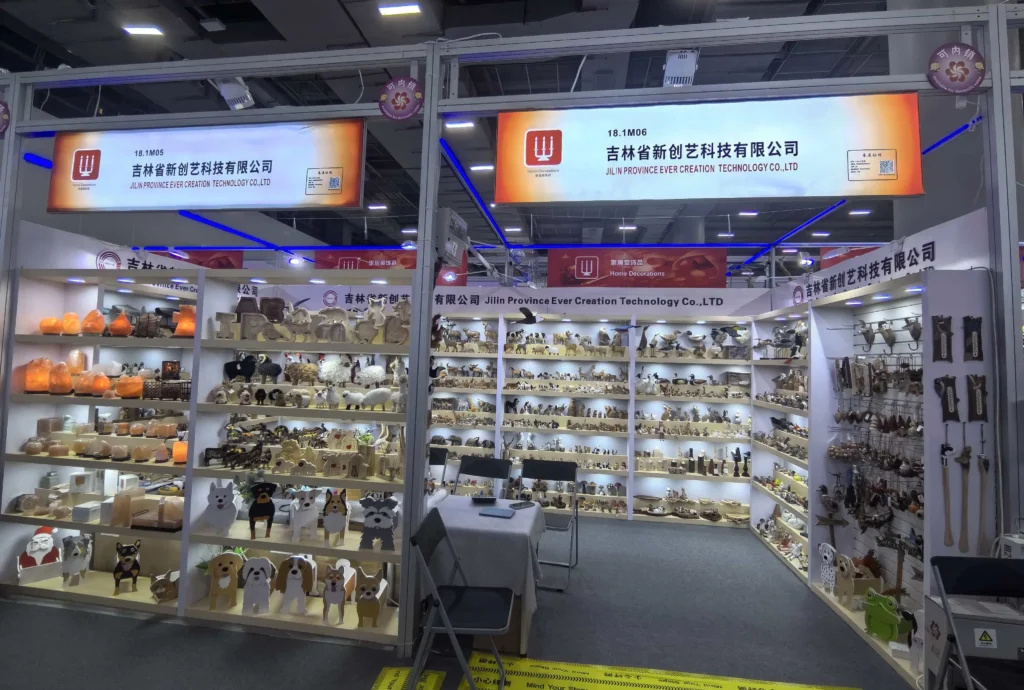
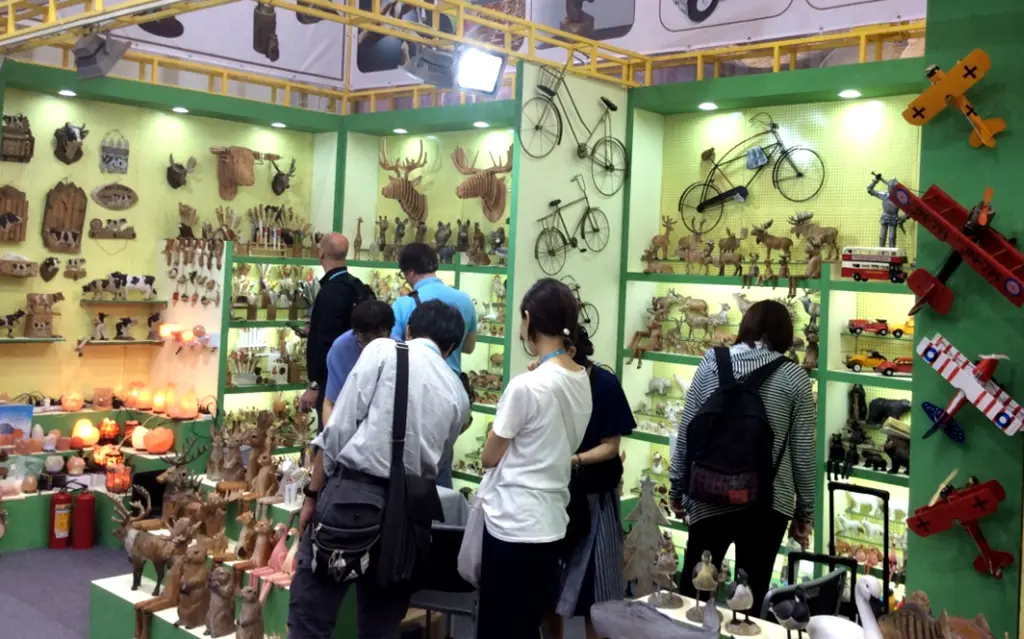
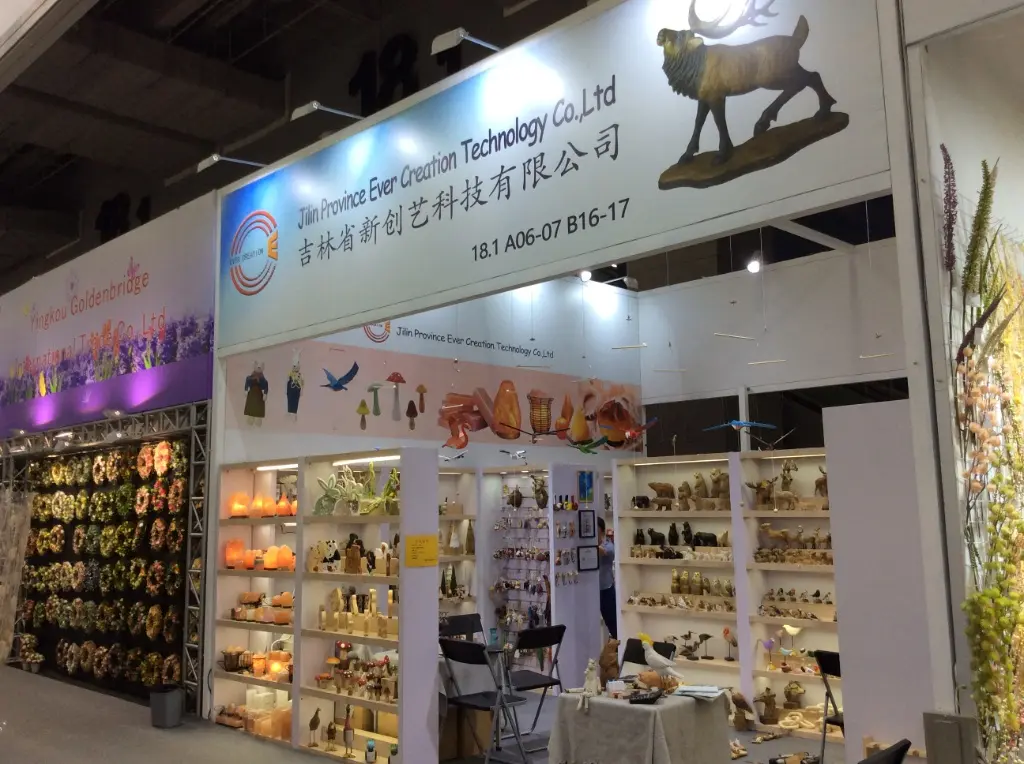
One disclosure, because it shapes everything below. We are a manufacturer and we exhibit — our stand history is on our exhibition highlights page — so this is written from the exhibitor side, where we know which questions a prepared supplier can answer and which make a stand go quiet. What it does not contain is a ranking of what buyers are ordering; the reason is in the first section.
Key Takeaways
- The takeaways you can trust are the ones you generated. A published list of what buyers are ordering describes other people’s shops in other people’s price brackets.
- Seven questions separate a manufacturer from a reseller on a stand: minimums, sample policy, lead time by tier, packaging, documentation, terms and design ownership.
- Ask for carton dimensions and gross weight, not only a price. A supplier who knows them without looking them up is describing their own production.
- Collect the specification, not the brochure: a photograph of a spec sheet, a named contact and a stated incoterm beat a catalogue you will not read again.
- The 48 hours afterwards decide whether the fair was worth attending. Contacts decay fast, and every supplier you met is chasing everyone else you met.
- Convert a fair contact into a trial order, not a container. A 100-piece trial at a USD 500 minimum order value tests a relationship for less than a wrong reorder costs.
In This Guide
- What This Guide Does and Does Not Claim
- Reading a Booth: Signals You Can Verify on the Floor
- The Seven Questions That Decide an Order
- Wholesale Gift Fair Questions and Good Answers
- What to Collect, and the 48 Hours Afterwards
- Best For / Not For: Working a Fair Versus Sourcing Direct
- What We Bring to a Stand, and What You Can Verify
- End to End: From a Booth Conversation to a Trial Order
- Frequently Asked Questions
What This Guide Does and Does Not Claim
Articles titled after what buyers are ordering at trade fairs are common, and almost none rest on data the author could have collected. Producing one would mean inventing a trend ranking, attaching it to a named event and dressing it as observation — worse than useless, because it feels like research and behaves like noise.
So this guide claims three things only: what a prepared supplier can answer on a stand and what it means when they cannot; how to run a booth conversation so it produces a decision rather than a brochure; and how to convert a fair contact into a small verified order. Everything here is our own published first-party terms or a method you can apply.
Reading a Booth: Signals You Can Verify on the Floor
A stand is a claim about a business, and the useful signals are the ones the exhibitor did not stage.
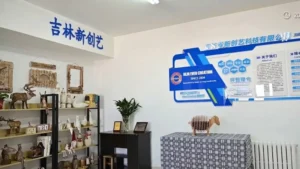
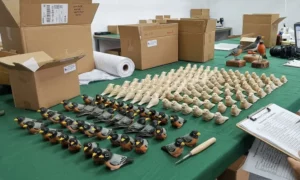
- Production imagery versus product imagery. A stand showing only finished product could be anybody’s catalogue. Photographs of a workshop, line, inspection bench or packing area indicate someone who has one. Ask where they were taken and see whether the answer is specific.
- Whether specification questions get answered at the stand. Ask for carton dimensions, gross weight, species, finish system and lead time. A manufacturer’s staff answer from memory or a sheet within reach; a trading company’s staff take a note and promise an email.
- Documentation on request. Ask what certificates exist and whether a copy can be sent. The useful answer names the scheme and offers the document rather than describing quality in adjectives.
- Range depth against width. Forty categories with no depth is usually trading; three with obvious variation inside them is usually producing.
- Who is on the stand. Ask for whoever handles custom work. If they are present, the business does custom work; if the offer is an introduction later, treat it as unverified.
None of this replaces verification afterwards. A fair is for shortlisting, not committing, and the checks are the same whether you met in person or not — our wood carving factory audit checklist and our guide to the 10 questions to ask a wood decor supplier both work from a hotel room that evening.
The Seven Questions That Decide an Order
These seven cover almost everything that later becomes a dispute. Our published answers are given against each, so a buyer gets a worked example rather than a list.
- What are the minimums? The piece minimum and the order-value minimum, and whether they apply per design or per order. Ours: trial at 100 pieces with a USD 500 minimum order value on in-stock designs; wholesale and custom at 300 pieces with USD 3,000; custom boxes at 500 pieces.
- What is the sample policy? Cost, lead time, whether it is credited against an order, and whether a retained master sample is held by both sides. See refundable samples for wholesalers.
- What is lead time, by tier? A single number is a warning sign, because trial and bulk are different operations. Ours: 20–30 days air express DDP at trial; 60–90 days to port by sea for wholesale and custom.
- What does the packaging do? Export packing, retail-ready options, carton quantity and dimensions, gross weight and drop-test rating. Ours: white paper wrap, 6 to 12 per three-ply inner box at 21 × 11 × 14 cm, 240 to 480 per five-ply master carton at 58 × 44 × 31 cm, 8.0 to 15.0 kg gross, rated to ISTA 3A.
- What documentation exists? Named schemes and copies, not adjectives. We operate under ISO 9001 and BSCI, hold FSC chain-of-custody certification, and apply CE, RoHS and UKCA protocols on electrical lines with EN71 coating routes for painted articles children may handle. On provenance: certified basswood is not currently available to us, so our carvings are not marketed as FSC-certified wood; timber felling and transport permits are supplied for traceability.
- What are the payment terms? Get them stated against an incoterm, since together the two decide who carries cost and risk. Ours: T/T at 30% deposit and 70% before shipment, with photographs and video of finished goods supplied before the balance falls due.
- Who owns a custom design? Ask before commissioning. Files, fixtures, artwork and the retained sample all have an owner, and the answer should be in writing.
Wholesale Gift Fair Questions and Good Answers
| Question | Why it matters | A good answer sounds like |
|---|---|---|
| Carton quantity, dimensions and gross weight? | Sets your freight cost and your stockroom plan | Three numbers given immediately, without a promise to email them |
| Lead time for trial versus bulk? | A single figure usually means the answer is a guess | Two different ranges, with the freight mode stated for each |
| Which certificates, and can I see one? | Adjectives are not documentation | A named scheme and an offer to send the document |
| Payment terms, against which incoterm? | A price without a term is not comparable to another quote | Both stated together, plus what evidence precedes the balance |
| Who owns a custom design and its files? | Decides whether you can move production later | A direct answer, offered in writing rather than reassurance |
What to Collect, and the 48 Hours Afterwards
Collect six things per supplier and nothing else: a photograph of the specification or carton data, a card naming a person rather than a generic address, a price with its incoterm attached, the sample policy, the documentation list, and one photograph of the stand — which later reminds you whether the production imagery was real.
Then work while it is fresh. That evening, score each supplier against the seven questions and cut to three. Within 48 hours send each a written restatement of what you were told and ask them to confirm it. One who confirms accurately was paying attention; one whose confirmation drifts has told you something useful.
Verification is the step most often skipped because the conversation felt good. Run the checks you would run on an online supplier: confirm the entity, ask for the documents named on the stand and, where the order is material, see production. Our own factory tour page exists because that request is reasonable, and quoted freight terms should be checked against the definitions in our guide to incoterms for wooden decor imports. United States buyers can treat fair travel as a business expense question — see IRS Publication 463 and confirm treatment with your adviser.
Best For / Not For: Working a Fair Versus Sourcing Direct
| Buyer situation | A fair is the right route | Sourcing direct is better |
|---|---|---|
| Building a category from nothing | Yes — you need to hold product and see what exists before you can specify | No: you cannot yet write a specification to source against |
| Replacing one known supplier | Only if comparable suppliers exhibit in the same hall | Yes — you already have a specification to quote against |
| Commissioning a custom design | For shortlisting only; development needs more than a stand | Yes, with samples and a retained master driving the specification |
| Reordering a proven line | No — attending to reorder is the most expensive way to place it | Yes, against the archived specification and retained sample |
| Tight buying budget | Only if travel and time cost less than the sample freight you would otherwise pay | Yes — trial tiers exist so a small budget can test a supplier |
What We Bring to a Stand, and What You Can Verify
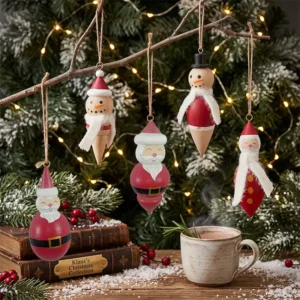
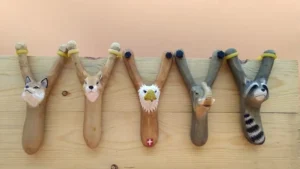
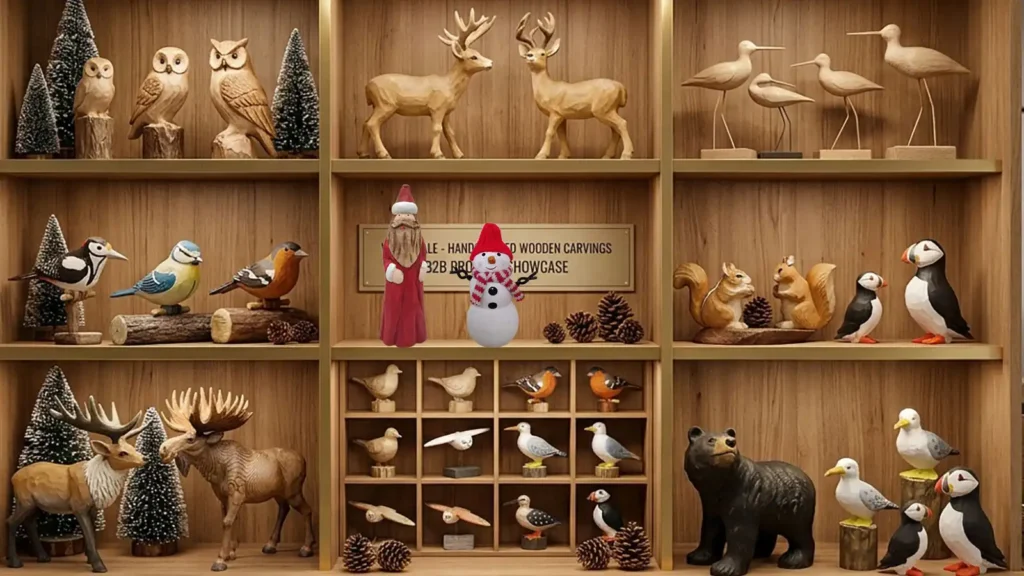
- Product to hold, not only to look at — carved pieces across our size range in basswood, pinewood, rubber wood and birch, every one carved and painted by hand.
- Specification at the stand rather than by email afterwards — all seven answers on the sheet in front of you, including carton data and payment terms against an incoterm.
- Documentation named, not described. ISO 9001 and BSCI standing, FSC chain-of-custody certification with the certified-basswood limitation stated plainly, CE, RoHS and UKCA on electrical lines, and EN71 coating routes for articles children may handle.
- A sample route described on the spot, including the trial tier and a sample kit option — see our wholesale sample kit guide.
- Evidence before balance. Photographs and video of finished goods precede the 70% under our T/T terms — where a buyer still has leverage rather than after arrival.
End to End: From a Booth Conversation to a Trial Order
A gift retailer is adding a carved decor line and attends a fair with two days and no existing specification.
Day one, wide. Twelve stands, the seven questions at each, six items collected per stand and nothing else. No prices are negotiated, since there is no specification to negotiate against. The evening is spent scoring the twelve and cutting to three.
Day two, narrow. The three are revisited with harder questions: tolerance on a carved detail, what happens outside it, the finish system, and whether a retained sample is held by both sides. The retailer asks for production imagery specific to the pieces on the stand, not general factory photographs.
Within 48 hours. Each receives a written restatement with a request to confirm. Two confirm accurately. One restates a lead time three weeks shorter than the figure given on the stand and comes off the list — not because a shorter time is bad, but because the drift is information.
Trial rather than commitment. Both remaining suppliers receive a trial order: 100 pieces at a USD 500 minimum order value, air express DDP, 20–30 days. Two small orders cost less than one wrong container and produce the only evidence that matters — how each behaves when nobody is watching a stand. Sequencing is in our guide to the wood OEM timeline from sample to first order, and range options in our wholesale wooden crafts and custom product manufacturing guides.
If you met us at a fair, or are shortlisting suppliers without one, send us the seven questions and we will answer all of them in writing — minimums, sample policy, lead time by tier, carton data, documentation, payment terms against an incoterm, and design ownership.
Frequently Asked Questions
Q: Are wholesale gift fairs still worth attending?
For a buyer building a category from nothing, yes — holding product and seeing what exists is hard to replicate remotely, and the seven questions here can be asked of twelve suppliers in two days. For replacing one supplier or reordering a proven line they are usually the most expensive route available, since you already have a specification.
Q: How do I tell a manufacturer from a trading company at a booth?
Ask for carton quantity, dimensions and gross weight, and for lead time split by trial and bulk. A manufacturer answers from memory or a sheet within reach; a trading company takes a note and promises an email. Also check whether the stand shows production imagery or only finished product.
Q: Should I place an order at the fair?
Rarely, and never on a show-floor discount that expires when you walk away. A fair is for shortlisting. Place a trial order afterwards against a written specification, once the supplier has confirmed in writing what they said on the stand — that confirmation removes more bad suppliers than any booth conversation.
Q: What is the smallest order that tests a supplier properly?
Our trial tier is 100 pieces with a USD 500 minimum order value on in-stock designs, air express DDP in 20–30 days — enough to judge finish consistency, packaging and how a supplier communicates under a real order, and it costs less than one wrong container.
Q: Where can I read what buyers are ordering at fairs?
Not here, and be cautious of anyone publishing it. Order-mix data belongs to organisers, exhibitors and buyers, and none publish it at a level a third party could report honestly. Generate your own: collect the specification data above, compare three suppliers on the same questions, and let a trial order show what your customers take.
Sources
Trade show travel expense treatment for United States buyers is set out in IRS Publication 463, and freight term definitions by the International Chamber of Commerce. Our minimums and order values, lead times by tier, carton specification and ISTA 3A rating, HS codes, species list, size range, payment terms, sample route and certifications are our own published first-party terms, and our exhibition record is on our exhibition highlights page. This guide deliberately contains no attendance figure, booth traffic number, order volume, category share, fair edition, event date or trend ranking: we cannot verify any of them, and publishing them would mean inventing them. We are a manufacturer describing what we answer at a stand, not a research firm reporting on one.