Skip to content

To ensure the safe arrival of your products, you may have noticed common packaging guidelines for protecting the products during the shipping process. Some tips are unique to certain kinds of goods but all of these ultimately ensure the safety of the goods. The checklist below walks through each practice the way our packing team applies it on export orders for wooden crafts, salt products, and mixed retail shipments.
Key Takeaways
- Inner boxes are typically 3-layer corrugated; export outer cartons should be 5-layer for double-wall strength.
- A filled carton should pass the shake test—no shifting—before the flaps close.
- Each item wraps individually; nothing should travel wood-to-wood or paint-to-film.
- Seal the center seam and both edge flaps (the H-method) instead of a single strip of tape.
- Moisture-sensitive goods ride with desiccant dosed to carton volume and route humidity.
- Solid wood pallets on export lanes must carry the ISPM-15 heat treatment or fumigation mark.
Table of Contents
- Use high quality corrugated paperboard boxes
- Don’t exceed the weight limit of the box
- Leave no empty space
- Wrap individual items
- Use appropriate packing materials
- Seal the package well
- Label the shipment appropriately
- Include a silica gel if your product is sensitive to moisture
- Palletizing and export rules for wood packaging
- Frequently Asked Questions
1. Use high quality corrugated paperboard boxes
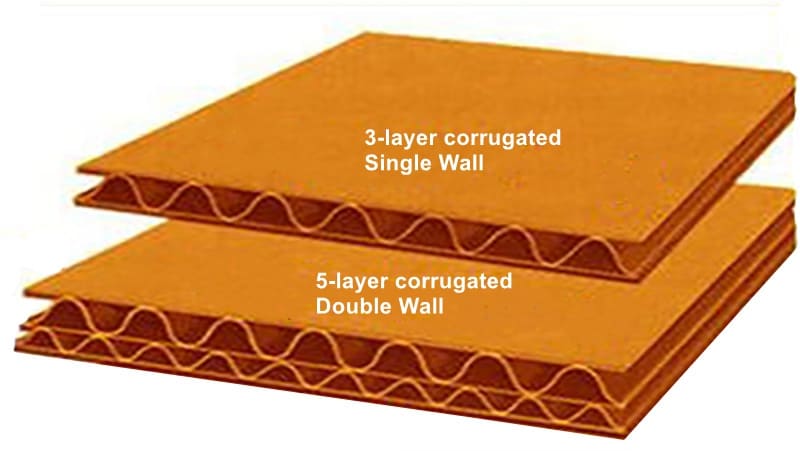
Opt for sturdy boxes with appropriate weight capacities. Inner boxes should typically be 3-layer corrugated, while outer cartons should be 5-layer corrugated for added protection.
The difference between 3-layer and 5-layer is the number of flutes between liners. A single-wall inner box protects the item; a double-wall outer carton survives stacking, conveyor gaps, and forty days of container sweat. For heavier carved pieces or tall gift-boxed sets, step up the outer carton before you add more filler—board grade is doing the structural work, not air.
2. Don’t exceed the weight limit of the box
Avoid overloading boxes, as this can increase the risk of damage during handling. Also, refrain from reusing old boxes, as they may lose their structural integrity over time.
A carton’s real limit is its weakest element—often the bottom glue line or a fatigued tape seam, not the board itself. Once a corrugated box has completed one freight cycle, its flutes are already compressed; a second trip multiplies the crush risk at exactly the stacking points where pallet pressure concentrates. Weigh-filled cartons at packing QC and keep them inside the range one handler can lift without a second trip.
3. Leave no empty space
Under-filled boxes can collapse if too much weight is on top of it. Filling the box up to the brim without overflowing helps increase its ability to withstand forces coming from top.
Void fill is structural, not cosmetic. Molded pulp trays, foam inserts, or crumpled kraft each hold the items so carton walls never take the impact alone. Run the shake test before taping: a properly packed carton should be silent when you rock it gently. For gift sets with mixed heights—coasters, trays, and boxes of different depths—divide the carton into compartments instead of stacking loose, as explained in our coaster gift set packaging ideas.
4. Wrap individual items
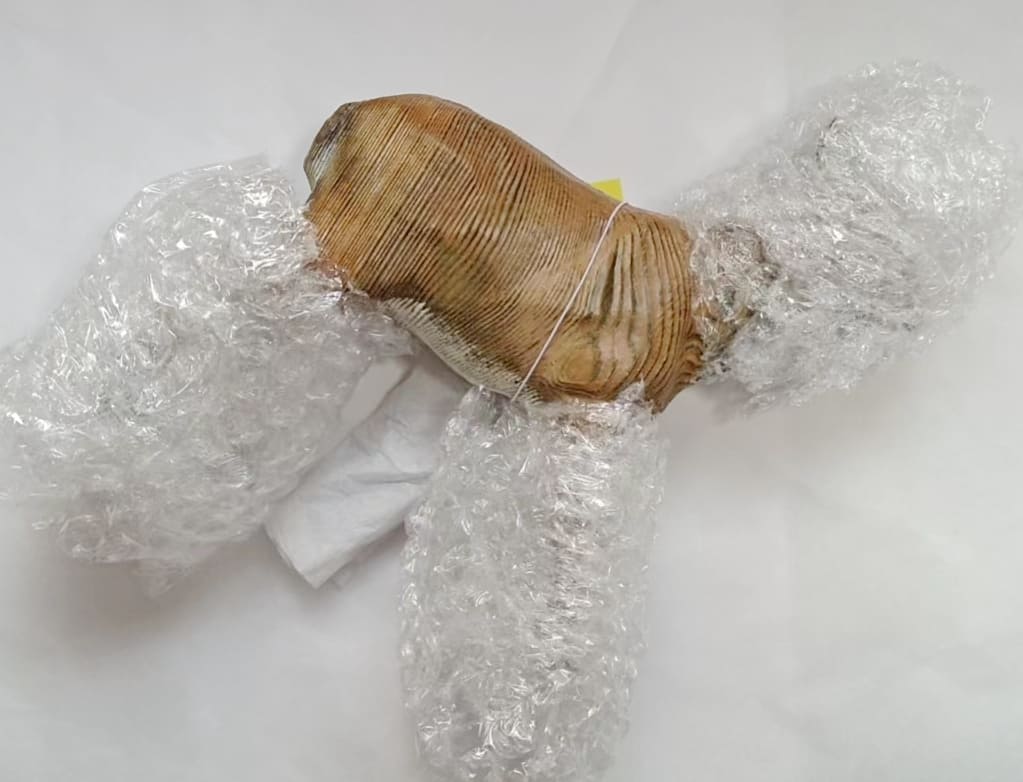
Wrap each product separately to shield them from potential damage during shipping.
Two rules cover most craft categories. First, nothing travels bare: tissue plus two wraps of foam keeps painted and lacquered surfaces from polishing against each other in transit. Second, nothing touches film directly while finishes are fresh—recently painted woodware can bond to plastic wrap before full cure, so let coatings rest and interleave kraft paper. Hand-carved shapes with protruding detail need more than a soft wrap: foam molds or pulp cavities around wings, beaks, and thin edges. Getting the species choice right at the start also helps—denser, finer-grained stock tolerates both carving stress and transit vibration, covered in our guide to choosing the right wood for handicrafts.
5. Use appropriate packing materials
Use specialized packing materials for fragile items to maintain their integrity throughout the shipping process.
Match material to failure mode. Foam and bubble absorb drops; corrugated edge and corner protectors stop pallet banding from biting into carton seams; stiff interleaf boards keep flat items—placemats, coasters, salt slabs—from chipping at the corners. Hygroscopic goods deserve their own layer: wrap natural salt blocks in food-safe kraft before any plastic film so the mineral never meets trapped condensation.
6. Seal the package well
Seal packages securely with ample tape to ensure the goods remain intact throughout the shipping.
Pressure-sensitive tape only performs when it is rolled down, not laid loose: run the center seam and both edge flaps—the H-method—and press each strip so the adhesive wets the board. A single sloppy seam is where burst cartons start on automated lines, and a re-taped box at a distribution center reads as tampering. Match tape width to carton size and never seal dusty or damp flaps; adhesion on cardboard is a surface condition, not a brand promise.
7. Label the shipment appropriately
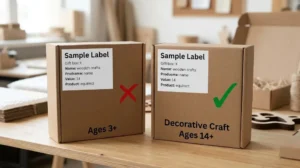
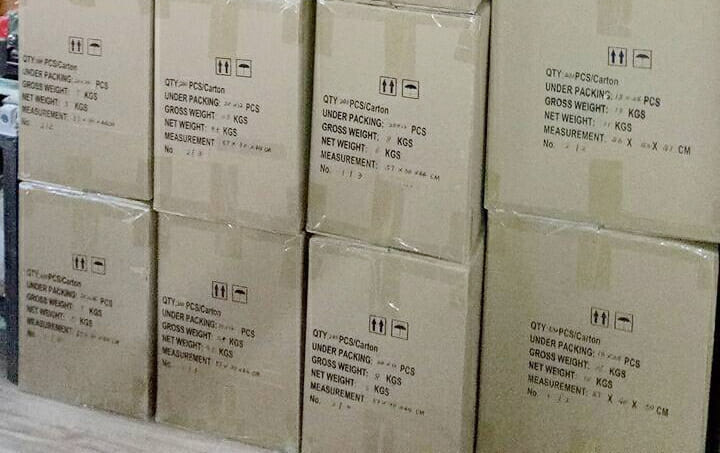
Ensure shipments are appropriately labeled with product information and handling instructions. Complimentary product labels can be provided upon request, including markings for inner boxes and outer cartons.
Labeling is receiving-side labor savings. A carton marked with PO number, SKU mix, piece count, and carton position (e.g., 7 of 24) turns a dock audit from an hour into a glance. Handling marks—fragile, this way up, keep dry—should sit next to the address panel, not under it, where pallet wrap hides them. Ask your supplier to confirm artwork and marking spec before the first production pallet, because re-labeling at destination ports is far more expensive than approving a proof.
8. Include a silica gel if your product is sensitive to moisture
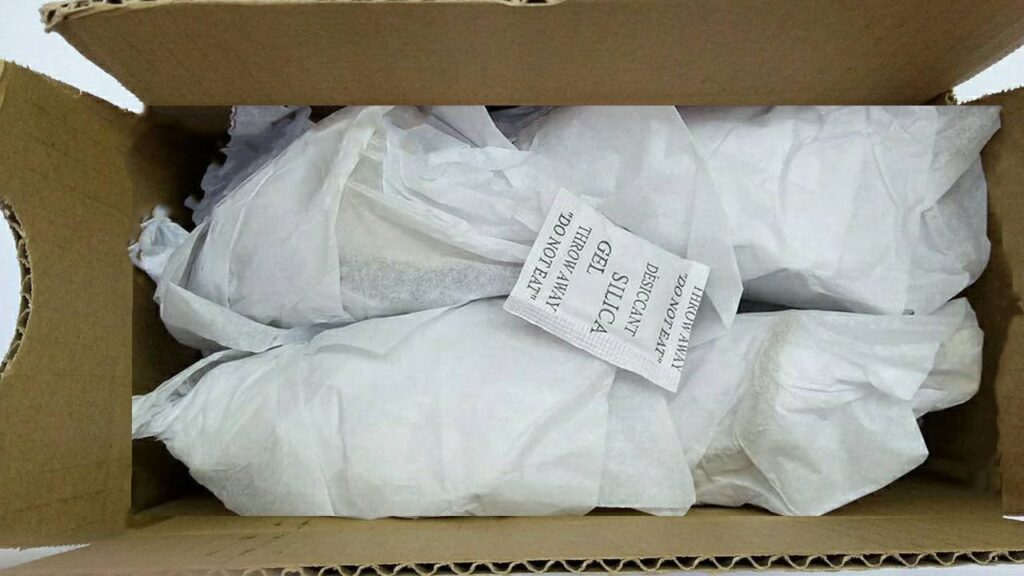
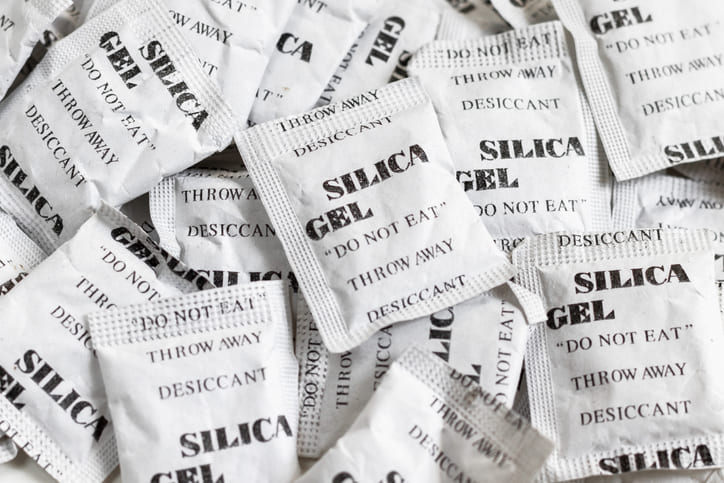
Include silica gel packs in moisture-sensitive products to mitigate the risk of damage during transit. Variations in humidity levels across different shipping locations underscore the importance of safeguarding products from moisture-related issues.
Wood and salt both breathe: boards swell, finishes blush, and salt blocks bloom when a container swings through humidity bands between origin and destination. Dose desiccant to carton volume and route, not to the price list—packing engineers size grams per cubic meter against the expected transit window—and use indicating beads so warehouse staff can see a saturated pack at a glance. Hang or nest packs where air moves; a silica sachet taped behind a solid insert protects nothing.
9. Palletizing and export rules for wood packaging
Cartons survive transit only as long as the pallet beneath them does. Stack by weight—blocks at the bottom, gift boxes above—keep the load inside the pallet footprint, and band so straps never ride against wrapped edges. Columns should interlock; a pillar stack of identical cartons will shift as a single sheet the first time a forklift catches a racking.
One regulatory point trips up more first-time importers than any other: solid wood packing material—pallets, crates, dunnage—must be heat treated or fumigated and carry the International Plant Protection Convention (IPPC) ISPM-15 mark before most countries will let it ashore. Processed panels like plywood and oriented strand board are generally exempt because manufacturing bonds away pests. Confirm which pallet type your supplier books before peak season, because a rejected load at destination is a full round trip lost. Retail buyers comparing craft categories before finalizing a container plan usually shortlist from the wholesale wooden crafts line, and our overview of wood for handicrafts explains how species choice changes both weight and moisture behavior in transit.
Putting the checklist to work
By adhering to these packaging guidelines, you can enhance the protection of your products and minimize the risk of damage during shipping, ensuring customer satisfaction worldwide.
For the carton strength and stacking numbers behind these tips, see the carton bearing capacity guide, and packaging wooden crafts for retail-ready packing formats.
Ship-Ready Packing, Agreed Before Production
Ewoodarts confirms carton grade, inner wrapping, marking spec, and pallet plan on the proof stage—so the packing you approve is the packing that leaves the factory.
Frequently Asked Questions
Should I use 3-layer or 5-layer cartons for wooden crafts?
Use both. 3-layer corrugated works as the inner box around each item; 5-layer double-wall cartons belong on the outside, where stacking load and handling abuse actually hit.
Do craft exports need ISPM-15 pallets?
Yes for solid wood pallets, crates, and dunnage—they must be heat treated or fumigated and stamped under the IPPC’s ISPM-15 standard. Plywood and other processed panels are generally exempt.
How do you stop moisture damage to wood and salt items in transit?
Seal the inner wrap, dose silica gel to carton volume and route humidity, and use indicator packs so warehouse staff can replace saturated desiccant before display.
Does wrapping every item separately slow down production packing?
Slightly—but pre-formed foam or pulp cavities pack faster than loose fill, and one silent, shift-free carton is cheaper than a replacement order across an ocean.
Can handling marks and product labels be printed on cartons?
Yes. Complimentary product labels can be provided upon request, including markings for inner boxes and outer cartons, so receiving teams can verify contents without opening every case.