Skip to content
Let’s be honest: when sourcing aromatherapy salt lamps, your product selection dictates whether you get steady reorders or drown in after-sales returns. If a lamp doesn’t reach the right temperature to diffuse essential oils, or if it comes with a cheap, rust-prone oil cup, you will be hit with bad consumer reviews and crushed profit margins.
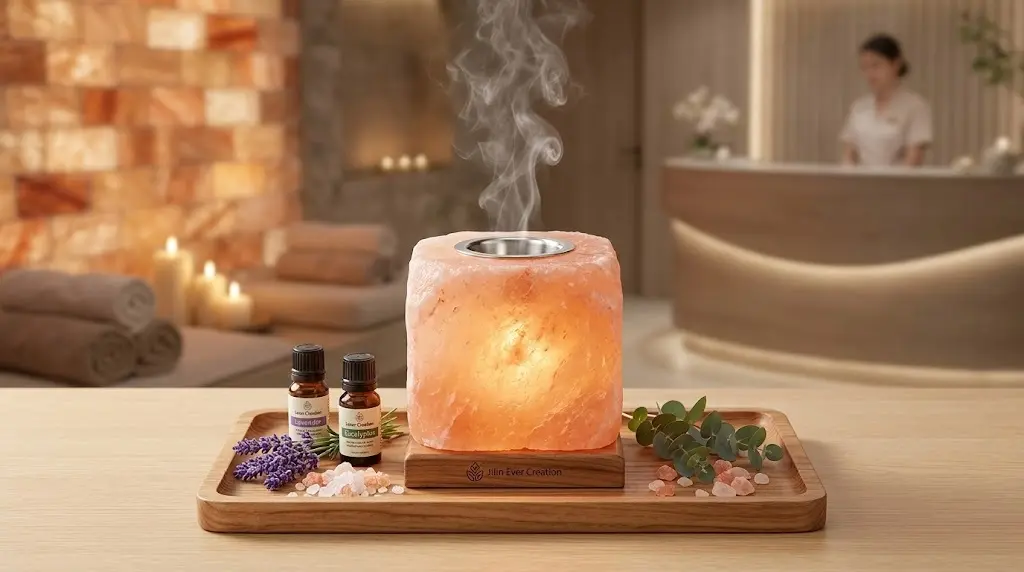
Since we successfully launched our Himalayan salt lamp product line in 2016, we’ve been helping large B2B buyers avoid these supply chain traps. This evaluation guide, written straight from the factory floor, benchmarks E12 and E14 heat standards to ensure optimal oil diffusion. We will break down the best-selling 2-3kg size and how to properly configure your order with UL, CE, SAA, RoHS, or UKCA certifications based on your specific market to maintain a high-margin, zero-risk product line.
Combining Halotherapy with Aromatherapy: Double the Retail Appeal
“A salt lamp with an oil receptacle combines air-purifying halotherapy with aromatherapy. The bulb’s gentle heat diffuses essential oils—making it a much more profitable 2-in-1 wellness device for your retail shelves.”
A 2-in-1 Solution for Premium Pricing
This integration bundles the respiratory benefits of salt therapy with the mood-enhancing effects of aromatherapy. For retailers, this means you can charge a premium for a dual-function wellness tool. Consumers can drop in eucalyptus to clear congestion or lavender to reduce anxiety, directly addressing modern consumer wellness trends.

Utilizing Bulb Heat for Silent Diffusion
Traditional ultrasonic diffusers produce water mist and motor noise. A salt lamp’s incandescent bulb provides ideal low-temperature heating. This steady, gentle warmth allows for slow, even diffusion. It releases aromatic molecules without destroying the oil’s therapeutic properties through overheating—a massive selling point for high-end SPA procurement.
How Heat Diffuses Essential Oils
“Heat warms essential oils, causing aromatic molecules to evaporate. Our salt lamps use the gentle warmth from their internal bulb to disperse scent, ensuring the oil never degrades.”
The Science of Thermal Evaporation
Physically, heating increases the kinetic energy of essential oil molecules, allowing them to overcome their liquid state and transition into a vapor. It’s a direct process of turning liquid into gas using thermal energy, meaning zero complex mechanical parts and an extremely low after-sales failure rate.
Gentle Diffusion Without High-Heat Damage
Our salt lamps utilize the stable, low-grade heat generated by E12 or E14 incandescent bulbs. This slight warmth is enough to effectively diffuse the oil while perfectly preserving its delicate chemical compounds. Unlike high-heat devices that can scorch oils, our method ensures a pure aromatherapy experience.
Factory-Direct: Customizable Compliance for Wholesale Salt Lamps
Choose Jilin Ever Creation. Since obtaining our ISO9001 certification in 2013, we’ve maintained a defect rate below 0.1%. Enjoy reliable OEM packaging and on-demand compliance certifications directly from our Changchun facility. Secure highly competitive FOB pricing and scale your profit margins safely.

Why We Champion Stainless Steel Oil Cups for Bulk Wholesale
“Glass looks great but shatters easily during ocean freight. As an experienced manufacturer, we equip our lamps with high-grade stainless steel cups to protect your inventory from transit damage.”

Balancing Durability and Breakage Rates
Choosing an oil cup material for bulk orders fundamentally dictates your after-sales costs. Some suppliers use glass because of its premium transparency, but its fatal flaw is fragility—meaning high breakage rates in FBA warehouses or courier transit. Stainless steel is rock-solid and ideal for high-volume handling. It is chemically inert, meaning it protects the oil’s shelf life perfectly without reacting, staining, or rusting.
Commercial Practicality Above All
For commercial venues like spas and wellness centers, or for heavy e-commerce fulfillment, stainless steel is the smartest, low-maintenance choice. It completely eliminates breakage risks, ensuring that every unit you import is a unit you can sell.
The Engineering Advantage: Detachable Metal Inserts
“Carving an oil cup directly into the salt is a recipe for retail returns. The porous rock absorbs the oil, eventually discoloring the crystal. That’s why we engineered our lamps exclusively with deep, detachable metal inserts.”

Preventing Crystal Degradation
Many amateur suppliers simply drill a hole into the top of the salt rock to act as the oil bowl. This is a fatal design flaw. Himalayan salt is highly porous. When essential oils are dropped directly into a carved salt recess, the oil seeps deep into the crystal. Over time, this traps dust, breeds bacteria, and permanently discolors the lamp, leading to immediate customer dissatisfaction and high return rates.
Effortless Maintenance and Scalability
To protect your brand’s reputation, we utilize a modular engineering approach. A precision-drilled recess securely holds a separate, premium stainless steel cup. This design offers two massive advantages for wholesale buyers:
- Ultimate Hygiene: End-users can easily lift the metal cup out of the lamp to wash it in the sink, preventing different oil scents from mixing and keeping the salt rock completely pristine.
- Manufacturing Consistency: This modular design allows us to standardize the heating distance between the bulb and the metal cup, ensuring consistent diffusion performance across every single unit in your container order.
Cleaning and After-Sales Maintenance Advice
“Feel free to add this directly into your OEM manuals: After use, let the cup cool completely. Wipe out residual oil, wash with warm soapy water, and dry thoroughly before reuse.”
A Foolproof Cleaning Guide
Proper cleaning prevents residue buildup and cross-contamination complaints. The process is simple:
- Turn off and unplug the lamp. Let the metal insert cool completely to prevent burns.
- Remove the cup and wipe out leftover oil with a dry cloth.
- Wash with warm water and mild dish soap.
- Crucial step: Rinse and dry completely before placing it back. Moisture is the enemy of salt lamps!
Long-Term Care to Avoid Complaints
Educate your customers on these habits to save your customer service team headaches:
- Always clean the cup before switching essential oil scents.
- Never use harsh chemicals or scouring pads on the cup.
- Do not overfill. Spilled oil running down the salt can damage the crystal and short-circuit the electrical base.
Cross-Selling with Essential Oils to Boost AOV
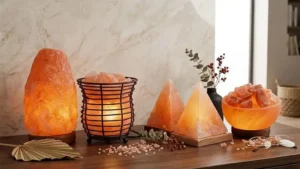
“Bundle salt lamps with your existing essential oil lines to create OEM wellness gift sets. The lamp’s amber glow acts as a visual anchor, instantly boosting your Average Order Value (AOV).”

Creating Themed Wellness Gift Sets
Smart buyers don’t just sell single items; they sell solutions. Bundling a Himalayan salt lamp with complementary oils increases the cart value and provides a ready-to-use experience. This is a proven strategy for Q4 retail rushes.
- Develop targeted bundles, like an “Ultimate Sleep Set” pairing a lamp with lavender oil.
- Create seasonal packs, such as a “Winter Immunity Kit” with eucalyptus or tea tree oil.
- Include diffuser blend recipes in the manual to encourage customers to buy multiple oil scents at once.
The Amber Glow as a Visual Hook
Don’t just market the lamp as a heater; it’s the visual soul of your gift set. Position its signature amber glow as the foundation of a stress-relieving atmosphere. Use the lamp’s aesthetics to draw the customer in, and retain your profits through essential oil repurchases.
Crucial Bulb Heat Standards (Preventing Customs & Return Issues)
“Never cut corners on bulbs and cords! To diffuse oil, you must use a 15W to 60W incandescent bulb. The wattage must match the lamp’s size to heat the crystal and prevent disastrous ‘sweating’.”
A salt lamp only works as an aromatherapy diffuser when it’s hot. Heat releases negative ions and stops the salt from absorbing air moisture (the dreaded “sweating/weeping” issue importers hate). Using the wrong bulb leads to un-diffused oil, crumbling salt, and massive retail return rates.
The Golden Ratio: Bulb Wattage vs. Lamp Size
The salt’s mass determines the required heat. At our factory, we strictly adhere to these parameters on our assembly lines so your shipments are flawless:
- Small lamps (4–11 lbs): Standard 15-watt bulb.
- Medium lamps (11–20 lbs): Must use a 25-watt bulb.
- Large lamps (20+ lbs): Require a 40-watt or 60-watt bulb for adequate heat.

Uncompromising Electrical Safety: Compliance Matched to Your Needs
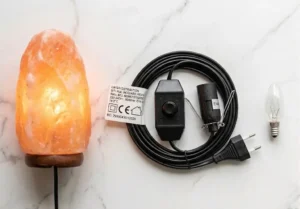
Only traditional incandescent bulbs generate the necessary heat. LEDs and CFLs run too cool—they won’t diffuse oil. To ensure absolute electrical safety, our bulk orders come standard with flame-retardant E12 or E14 sockets. More importantly, we can equip your order with UL, CE, SAA, RoHS, or UKCA certified components based exactly on your target market’s customs requirements.
Just inform us of your compliance needs when ordering, and we will precisely match the right documents and certified plugs to guarantee smooth customs clearance—without adding unnecessary costs to your bottom line.
B2B Buyer FAQ
Can I put essential oils directly on my salt lamp?
Yes, you can. Just add a few drops of essential oil directly onto the salt crystals. The warmth from the incandescent bulb will heat the salt and gently diffuse the aroma. Advise users to be careful not to let any oil drip onto the internal light bulb itself to avoid bulb failure.
What is an aromatherapy salt lamp diffuser?
It’s a high-margin 2-in-1 device. It combines essential oil diffusion with a heated Himalayan salt lamp. This lets end-users get the benefits of aromatherapy while also having the warm, ambient glow from the natural salt crystals.
Why do you use stainless steel cups instead of carving the salt?
Carving directly into the salt causes the porous rock to absorb the oil, which leads to permanent discoloration, bacteria buildup, and high return rates. We use detachable stainless steel cups to ensure maximum hygiene, easy cleaning, and zero degradation to the salt crystal.
How do I clean oil residue from the diffuser cup?
The safest way is to wipe the metal insert with a soft, dry cloth. For sticky residue, use a cloth slightly damp with a little white vinegar, then wipe it completely dry immediately. Never use a soaking wet cloth or chemical cleaners, as excess moisture will dissolve the salt.
What type of bulb is required for diffusing oils with a salt lamp?
You must use an incandescent bulb. Unlike cool-running LEDs, incandescent bulbs produce the heat needed to warm the salt, which in turn diffuses the oils. The right wattage is usually 15 to 40 watts, depending on the lamp’s physical size.
Can spilled oil damage the salt rock itself?
It’s best to avoid direct contact with the base. Oil won’t dissolve salt like water does, but a spill can create a sticky residue that attracts dust and causes discoloration. Procuring lamps designed with deep, dedicated metal inserts is the best way to prevent this issue.