Skip to content
Sourcing reliable Salt & Wood Wellness Decor is critical for avoiding product failure due to moisture damage. Himalayan salt naturally attracts moisture, and when paired with substandard wood, this leads directly to rot, warranty claims, and wasted inventory for spa owners. How to build a cohesive Salt and Wood Decor program for retail shelves.
This analysis outlines the technical standards for durable pairings. We evaluate suppliers based on the use of fine-grained Basswood, verified salt Certificates of Origin, and OEM capabilities to help you secure a profitable, long-term product line.
Why are wellness brands shifting toward “Salt + Wood” material pairings?
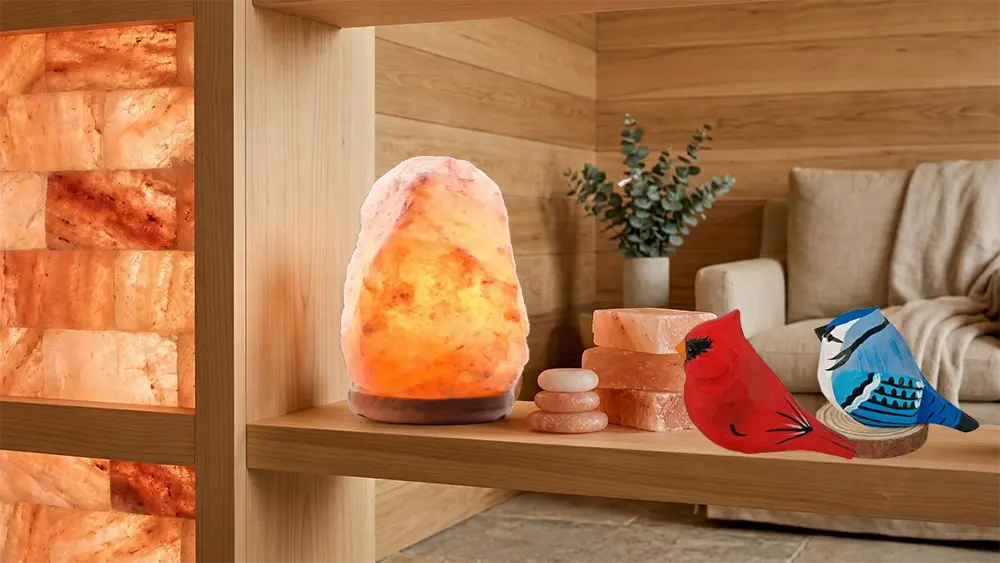
Wellness brands pair salt and wood for a multi-sensory experience that feels both natural and upscale. Wood offers a warm, grounding structure while Himalayan salt provides a calming glow.
Blending Natural Aesthetics with Sensory Benefits
The combination of salt and wood isn’t just a design trend; it’s a functional pairing. Wood, especially materials like cedar or basswood, provides a naturally cozy and heat-retaining structure. This is essential for environments like saunas and relaxation rooms where maintaining a warm, stable atmosphere is key.
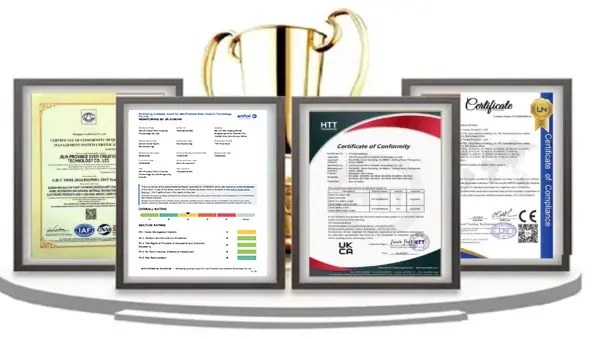
Himalayan salt tiles and lamps add a different kind of warmth. Their distinct pink and orange glow creates a soft, ambient light that color psychology links to calmness. This visual element complements the physical warmth of the wood, creating a space that feels comfortable and looks inviting.
Together, these materials create a multi-sensory environment. They engage the sense of touch through wood’s texture, sight with the salt’s unique glow, and even smell from the heated wood. This elevates a standard room into a deliberate wellness experience.
Sourcing Authentic Materials for Wellness Collections
To create these authentic experiences, brands need reliable partners who understand both materials. Our product portfolio includes authentic Himalayan salt, sourced directly from mines in Pakistan. We supply it as wholesale bricks and lamps, ready for custom spa and wellness installations.
We pair this with premium, sustainable basswood from Changbai Mountain. This fine-grained wood is ideal for crafting custom wooden bases, decor, and the structural elements that frame the salt features. It provides the necessary structural resilience for commercial use.
This dual-sourcing capability is a major advantage for our B2B clients. It lets wellness brands create cohesive, high-quality product lines from a single, trusted source, ensuring total material integrity from start to finish.
How to verify the authenticity of Himalayan salt used in your decor?
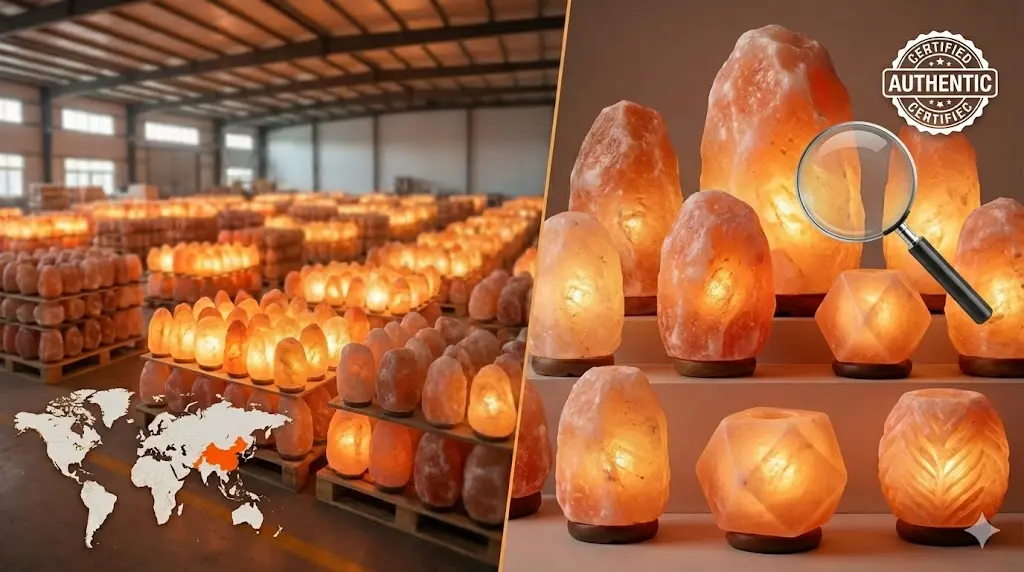
Authentic Himalayan salt has a warm, uneven glow, feels heavy, and ‘sweats’ in humidity. The most reliable proof is a Certificate of Origin from Pakistani mines.
Fake Himalayan salt products are everywhere. Telling the difference between a genuine salt crystal and a dyed piece of rock salt or plastic comes down to a few physical giveaways. If you’re buying in bulk, however, you shouldn’t have to guess.
Key Physical Characteristics of Real Salt
You can spot most counterfeits by checking for these simple, tell-tale signs. Genuine salt has a distinct behavior and appearance that is difficult to replicate cheaply.
- Warm, Uneven Light: It emits a soft, warm glow. Due to its natural crystalline structure, the light pattern is uneven and patchy, not a uniform, bright light you’d see from a simple lamp.
- Surprising Weight: Real salt is dense and feels heavy for its size. If a salt lamp or decor piece feels light, it’s likely a plastic or selenite imitation.
- Moisture Attraction (‘Sweating’): Salt is hygroscopic, meaning it naturally absorbs moisture from the air. In humid environments, a real salt product will feel damp or appear to ‘sweat’. Fakes stay perfectly dry.
Our Guarantee: Sourcing and Certificates of Origin
We source our pure, authentic salt crystals directly from the Himalayan mines in Pakistan. This direct-from-source model eliminates any middlemen who might mix in lower-quality materials.
For complete peace of mind, we make Certificates of Origin available upon request for our clients. This documentation confirms the salt’s provenance, giving you definitive proof of authenticity for your own records and customers.
Safe, Authentic Salt Products that Boost Revenue
What are the safety certifications (UL/CE) for salt-wood electricals?
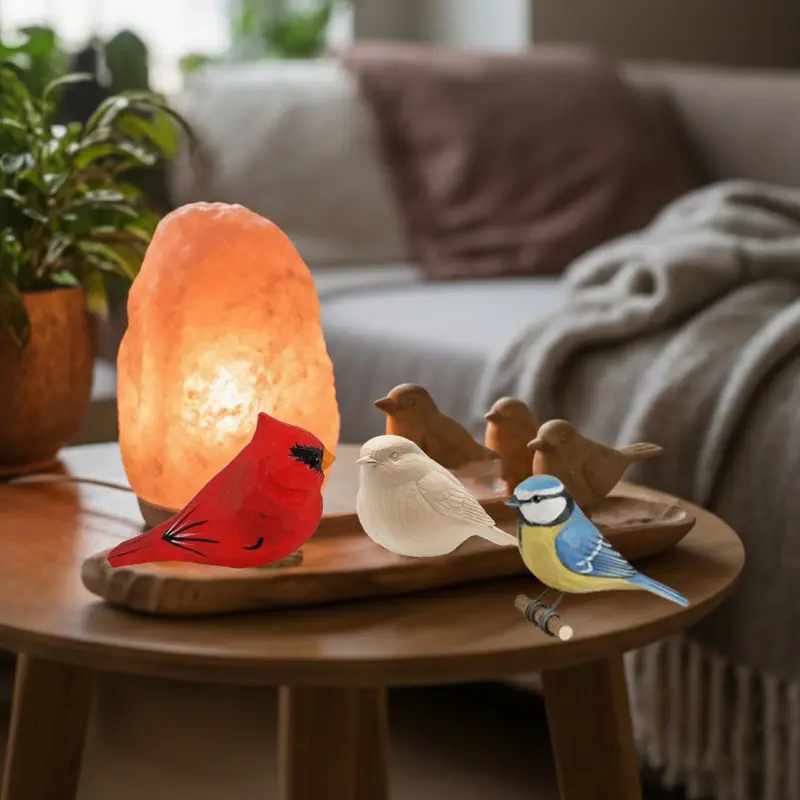
UL is the primary safety certification for electrical products in the United States, signifying rigorous third-party testing. CE marking is a mandatory legal requirement for products sold in the European Union.
Understanding UL Listing for the US vs. CE Marking for Europe
UL Listing is the gold standard for electrical safety in the United States. It confirms a product has passed comprehensive testing by Underwriters Laboratories, an independent third-party organization. CE marking is different; it’s a mandatory legal declaration that a product complies with the health, safety, and environmental protection standards of the European Economic Area. These certifications are region-specific and not interchangeable. A product with UL Listing still needs separate CE approval to be sold in Europe.
Our Commitment to Verified International Standards
Our products meet stringent international requirements, verified by certifications including UKCA, EN71, and ISO9001. This commitment ensures our partners receive products that comply with key safety and quality management systems for European and other global markets. It’s part of our source-to-shelf integrity, giving wholesalers confidence in what they order.
How to market the “Natural Ions” and calming effects to spa clients?
Frame the experience as a ‘wellness upgrade.’ Highlight chemical-free benefits and use authentic Himalayan sourcing to build trust and justify a premium price point.
| Marketing Angle | Client Impact & Message |
|---|---|
| Wellness Upgrade, Not Chemical Treatment | Appeals to health-conscious clients concerned about harsh sanitizers. The message is about proactive health, not just facility maintenance. |
| Stress & Anxiety Reduction | Directly addresses the core reason clients visit spas. Use benefits like “balances serotonin” and “improves sleep” to connect with their goals. |
| Verifiable Authenticity | Builds trust and justifies premium pricing. Explicitly mention “authentic salt from mines in Pakistan” and offer Certificates of Origin. |
| Tangible Sensory Experience | Focus on immediate, noticeable feelings like “softer, silkier water” and “no red, burning eyes” to reinforce the value of the service. |
Framing the Narrative: From Chemical Treatment to Wellness Ritual
The goal is to shift the client’s mindset. This isn’t just a different way to sanitize water; it’s a fundamental upgrade to their wellness routine. Modern spa clients are wary of unnecessary chemical exposure, making a natural mineral-based experience an easy conversation. The focus should be on the tangible and emotional benefits they get, not the technical process.
- Promote a Chemical-Free Environment: Position the service as a solution for clients with sensitive skin or respiratory issues who react poorly to chlorine. This directly addresses a common pain point and highlights a clear advantage.
- Focus on Mental Wellness Outcomes: Connect the natural ions to real-world stress relief. Marketing materials should mention how the experience helps balance serotonin levels, which can lead to reduced anxiety and better sleep. This targets the primary motivation for most spa visits.
- Emphasize the “Natural Hot Spring” Feel: Clients immediately notice the difference in the water. Describe it as “softer and silkier,” explaining that it sanitizes without stripping the skin’s protective oils. This leaves skin feeling hydrated, not tight and dry.
Leveraging Authenticity with Verifiable Sourcing
In a market full of vague “natural” claims, providing proof of origin is a powerful differentiator. It builds trust, justifies a higher price, and assures clients they are receiving a genuine therapeutic experience. Transparency about where the salt comes from demonstrates a commitment to quality that clients can understand and appreciate.
- Specify the Source: Clearly state that you use authentic salt sourced directly from ancient mines in Pakistan, such as the Khewra Salt Mine. This level of detail separates your service from generic competitors.
- Offer Proof with Documentation: Back up your claims by having Certificates of Origin available for clients to see. This small step provides undeniable validation of the salt’s purity and source, shutting down any skepticism.
- Connect Origin to Client Comfort: Link the salt’s natural purity to a superior experience. Explain that because the salt is authentic and free from modern pollutants, it provides better skin and respiratory comfort than processed or artificial alternatives.
Does salt moisture affect the long-term integrity of the wood base?
Yes, salt attracts ambient moisture, which damages wood over time. This weakens the structure and can lead to rot. Selecting the right wood and controlling moisture content is critical.
How Salt Causes Structural and Surface Degradation
Salt isn’t just a surface issue; it actively compromises wood from the inside out. When salt absorbs moisture and then dries, crystals form and expand within the wood’s cellular structure. This process creates internal pressure that degrades the material’s integrity over time.
The primary damage mechanisms are straightforward:
- Internal Fracturing: Salt crystals physically damage the middle lamella, the layer that binds wood cells together. This leads to a measurable drop in impact resistance.
- Surface Erosion: Because salt is hygroscopic, it constantly pulls moisture from the air. This perpetual dampness accelerates surface erosion, increases porosity, and breaks down lignin—the natural polymer that gives wood its strength.
- Biological Decay: The persistent moisture creates a perfect breeding ground for biological threats. This encourages the growth of wood rot, mold, and mildew, which can destroy the wood.
Ensuring Structural Resilience Through Material Control
Understanding these risks is one thing; engineering a product to withstand them is another. We address the threat of moisture damage head-on through rigorous material sourcing and quality control. This isn’t an afterthought—it’s built into our production process.
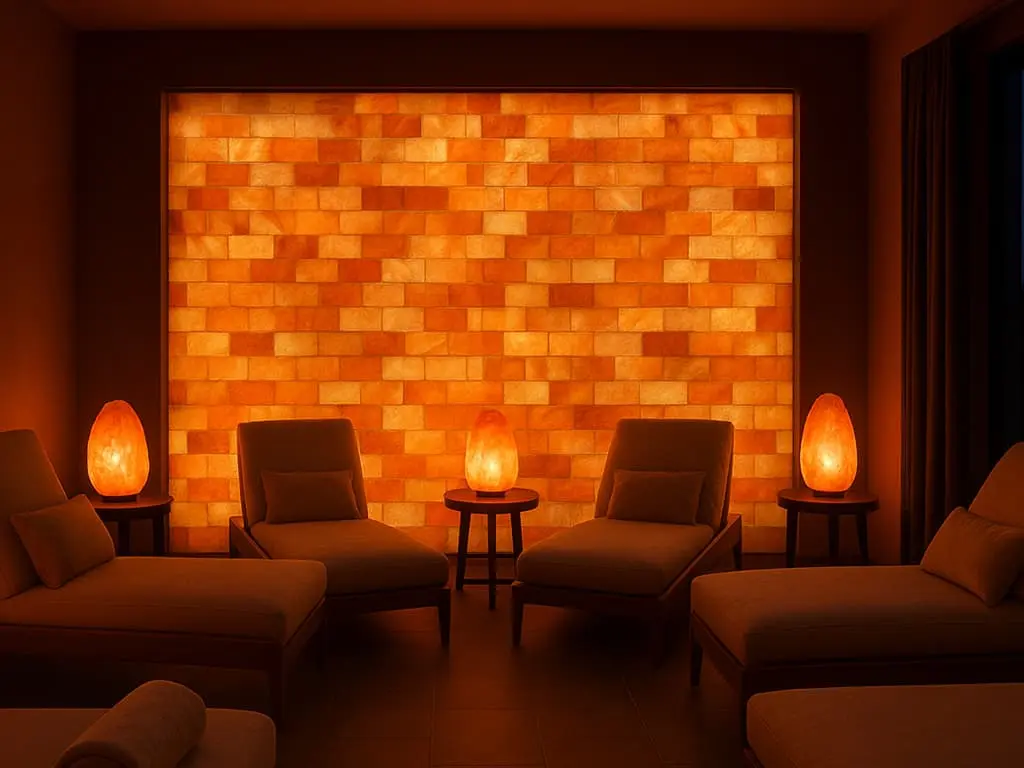
- Material Selection: We exclusively use premium Basswood from Changbai Mountain. This specific wood is chosen for its fine grain and inherent stability, which makes it highly resistant to warping caused by humidity changes.
- Moisture Content Inspection: Before any wood enters our workshop, each batch undergoes a strict inspection to verify optimal humidity levels. This preventative step is key to avoiding moisture-related problems down the line.
- Protective Finishing: Our non-toxic, eco-friendly water-based paints act as a protective sealant. This finish minimizes moisture penetration, providing a crucial barrier against damage in humid environments where salt products are often used.
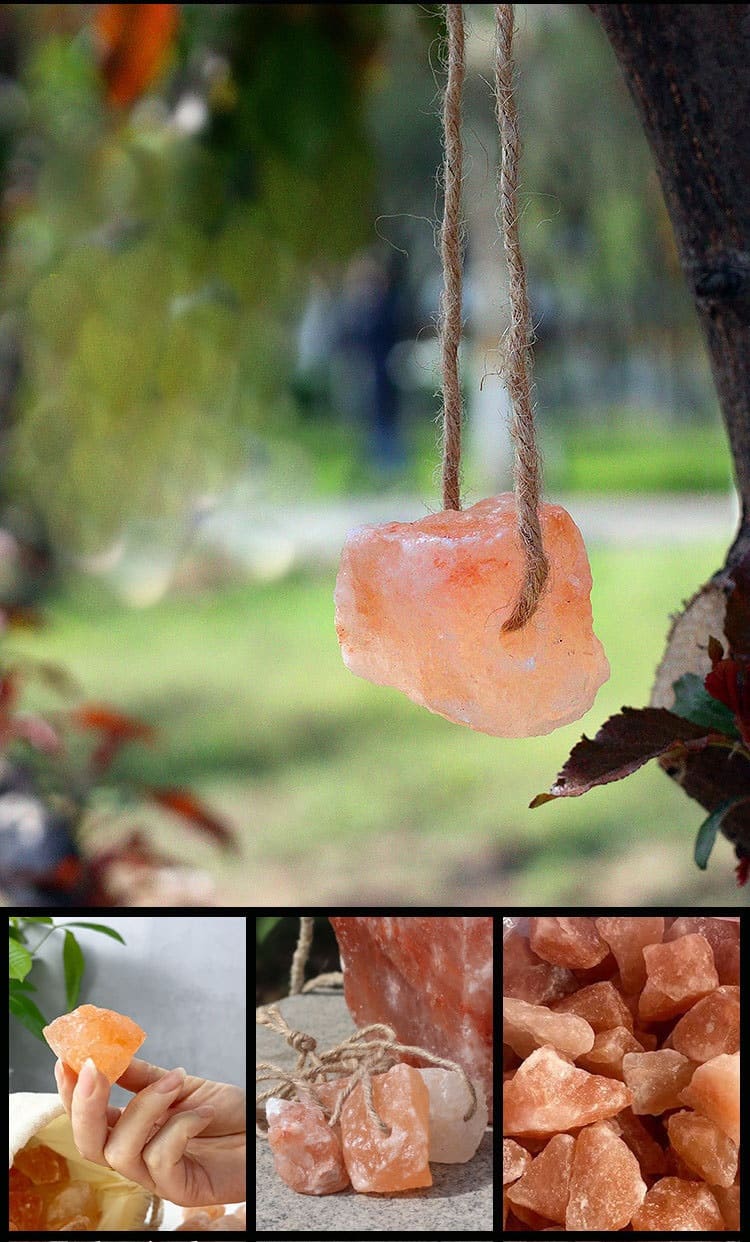
What is the wholesale potential for “Salt Lick” products for animal birds?
No established wholesale market for bird salt licks exists, creating an untapped niche. Our Himalayan salt expertise and OEM services can help partners pioneer this new product category.
Current Market Reality: A Focus on Seed and Suet
The wholesale bird supply industry is built around high-demand products like seed mixes and suet cakes. Major suppliers and retailers focus their inventory on these proven categories. Market data simply doesn’t show a recognized product line or existing demand for bird-specific salt licks. The conversations and product catalogs are all about feeders and food, not mineral supplements of this type.
Exploring the Niche with Himalayan Salt Blocks
While the bird market isn’t asking for salt licks today, that doesn’t mean a viable product can’t be created. We manufacture authentic Himalayan Salt Blocks, which provide a solid, proven material base for animal wellness products. This is where a partnership opportunity exists. Using our OEM and ODM services, a brand can develop and test a first-to-market product for this niche. We support custom projects with a flexible MOQ of 300 pieces, making it practical to explore this untapped potential.
Frequently Asked Questions
Where do authentic Himalayan salt lamps come from?
Authentic Himalayan salt is exclusively sourced from ancient salt mines in Pakistan, primarily from the Khewra Salt Mine located in the foothills of the Himalayas. Genuine lamps can be identified by their warm, uneven glow and significant weight relative to their size.
How does salt exposure affect the durability of wood?
Salt can degrade wood by attracting moisture, which causes the wood fibers to repeatedly swell and shrink. As this moisture evaporates, salt crystals can form within the wood’s pores, creating internal pressure that may lead to discoloration, flaking, or structural damage over time.
What safety certifications are important for salt lamps?
Safety certifications for salt lamps vary by region. For North America, look for UL or CSA certification. In Europe, the CE Mark is required. In Australia and New Zealand, products must comply with AS/NZS standards. These marks confirm that the electrical components have been tested for safety.
Why is salt from Pakistan so widely used in wellness products?
Pakistan possesses the world’s largest deposits of rock salt, with reserves renowned for their high purity, often exceeding 98%. This Himalayan pink salt is valued in the wellness industry for its mineral composition and is used to create a wide range of products, including lamps, bricks, and spa items.
Final Thoughts
While generic salt lamps offer lower upfront costs, sourcing authentic Himalayan salt and premium Basswood is the only way to protect your brand. This source-to-shelf integrity prevents customer complaints about fakes or product decay. Quality builds the trust that justifies premium wellness pricing.
Verify our craftsmanship and material quality for yourself. We recommend a trial order to experience our hand-sculpted authenticity firsthand. Contact us to discuss your OEM needs and create a signature product line for your brand.
While looking for specific styles, don’t forget to check our full catalog of [wholesale-wooden-songbirds] to see all available options.
As a comprehensive [Wooden Bird Factory], we also produce cardinals, owls, ducks and robins.
For reference, see FSC.