Skip to content
Selecting high-quality salt lamp bases is a critical operational choice that prevents inventory loss during humid ocean transit. Substandard wooden foundations frequently warp or develop mold before reaching your warehouse, causing expensive return cycles and damaging brand reputation.
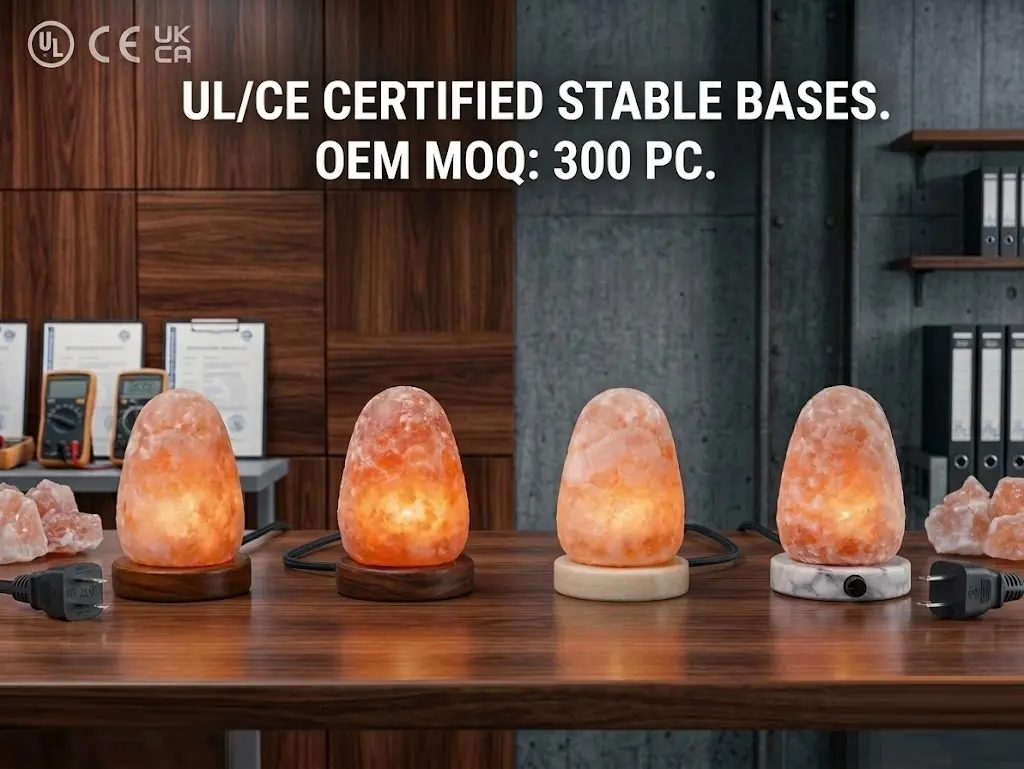
We eliminate those failures with moisture-controlled rosewood and marble bases, batch-level moisture readings before assembly, and electricals certified for the destination market. Custom base work runs from our 300-piece minimum, so a wholesaler can hold compliant US, UK and EU stock without warping turning up in the container.
Key Takeaways
- Rosewood (sheesham) is our standard base timber because its density resists the swelling and cupping that warps softer neem in humid transit.
- Every wooden base passes moisture-controlled processing before drilling, which is what stops collars cracking after 30-40 days in a container.
- Two fixing systems are in use: screw-mounted holders give a rigid connection, spring-clip holders hold tension through vibration on the pallet.
- Electrical certification is market-specific: UL/ETL for the US, CE/RoHS for the EU, UKCA for Great Britain and SAA for Australia, each with the matching plug.
- Custom bases, laser engraving or UV printing start at 300 pieces, with a 100-piece trial and USD 500 minimum available on open-stock shapes.
- Sea freight ships in 5-Ply BC Flute cartons with cell dividers, the spec that keeps bases and crystal off the returns list.
Table of Contents
Why the Base Makes or Breaks the Lamp
A lamp’s base provides critical stability for the heavy salt crystal, prevents tipping, and protects furniture from moisture. A quality base ensures the product is safe and durable.
The Importance of Stability and Balance
The base isn’t a decorative afterthought; it’s an essential engineering component. Himalayan salt crystals are dense and top-heavy, creating a high center of gravity. A properly constructed base provides a solid, wide foundation that prevents the lamp from tipping over, ensuring safety and product integrity. It also acts as a crucial barrier, protecting wood furniture from potential moisture condensation that salt naturally attracts.
Material Choices: Wood and Marble Foundations
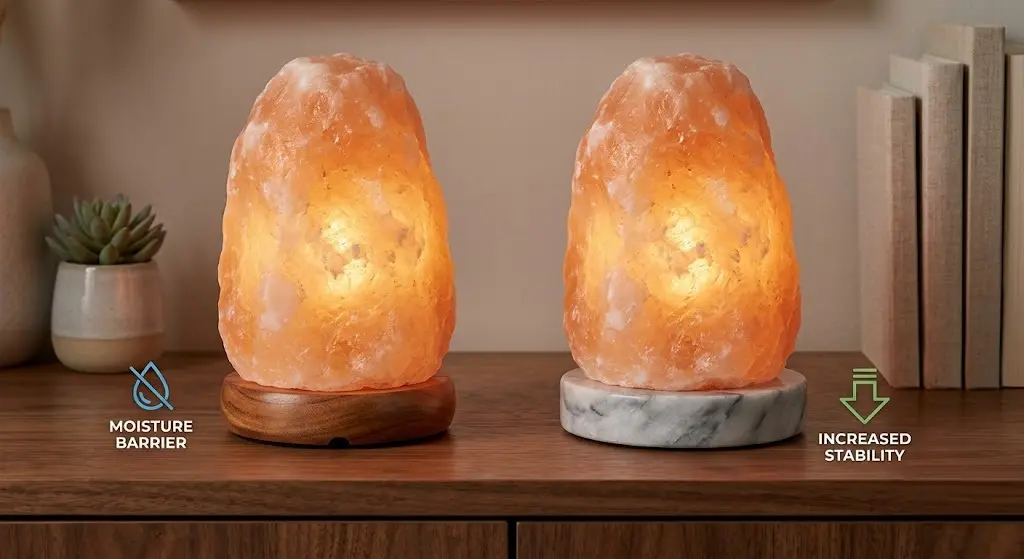
We offer two distinct base materials to meet different market demands for aesthetics and performance.
- Natural Rose Wooden Base: This is the classic choice, providing reliable and stable support that complements the warm glow of the salt crystal.
- Premium Marble: For a higher-end product line, the marble base adds significant weight for enhanced stability and offers a distinct luxury finish.
Neem Wood vs. Rosewood (Sheesham)
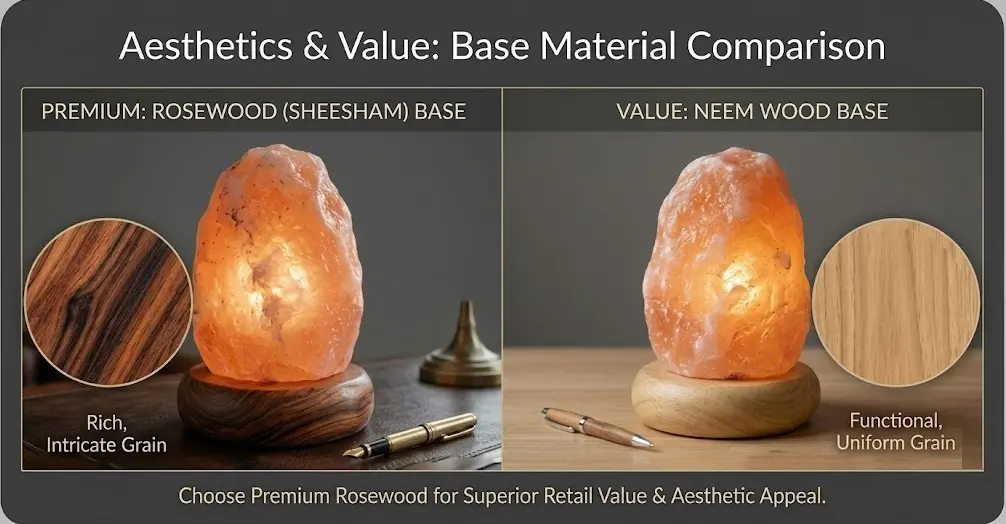
Rosewood (Sheesham) is a dense, durable hardwood with a rich grain, making it the ideal choice for premium, stable salt lamp bases over the simpler Neem wood.
Comparing Core Material Properties
The choice of wood for a salt lamp base directly impacts its stability, appearance, and longevity. While both Neem and Rosewood are viable options, they serve different market segments. Rosewood is selected for high-end applications where aesthetics and durability are critical for perceived retail value.
| Property | Rosewood (Sheesham) | Neem Wood |
|---|---|---|
| Durability and Density | High-density hardwood known for its strength and resistance to wear. Excellent for supporting heavy salt crystals. | Softer and less dense, suitable for lighter-weight products where cost is a primary factor. |
| Grain Pattern and Aesthetics | Features a rich, interlocked grain with dark streaks, giving each base a unique, premium appearance. | Typically has a straighter, more uniform grain with a lighter, yellowish-brown color. A simpler, more functional look. |
| Moisture and Termite Resistance | Naturally resistant to termites and decay. Its density helps it withstand ambient moisture fluctuations better. | Known for its natural pest-repellent properties but can be more susceptible to warping in high-humidity environments. |
Why Rosewood is Our Standard for a Stable Base
We standardize on Rosewood for our salt lamp bases to ensure product integrity and meet the quality expectations of our B2B partners. This material choice is a strategic decision rooted in performance and market positioning.
- Structural Integrity: As a dense hardwood, Rosewood provides superior structural support for the heavy salt crystals, preventing tipping and ensuring a stable footprint.
- Premium Aesthetic: The distinctive, rich grain patterns of Rosewood enhance the lamp’s visual appeal, justifying a higher retail price point and aligning with high-end decor trends.
- Product Longevity: Rosewood’s natural durability and resistance to decay mean a longer product life, reducing the likelihood of returns or quality complaints related to the base.
The Luxury of Onyx and Marble Bases
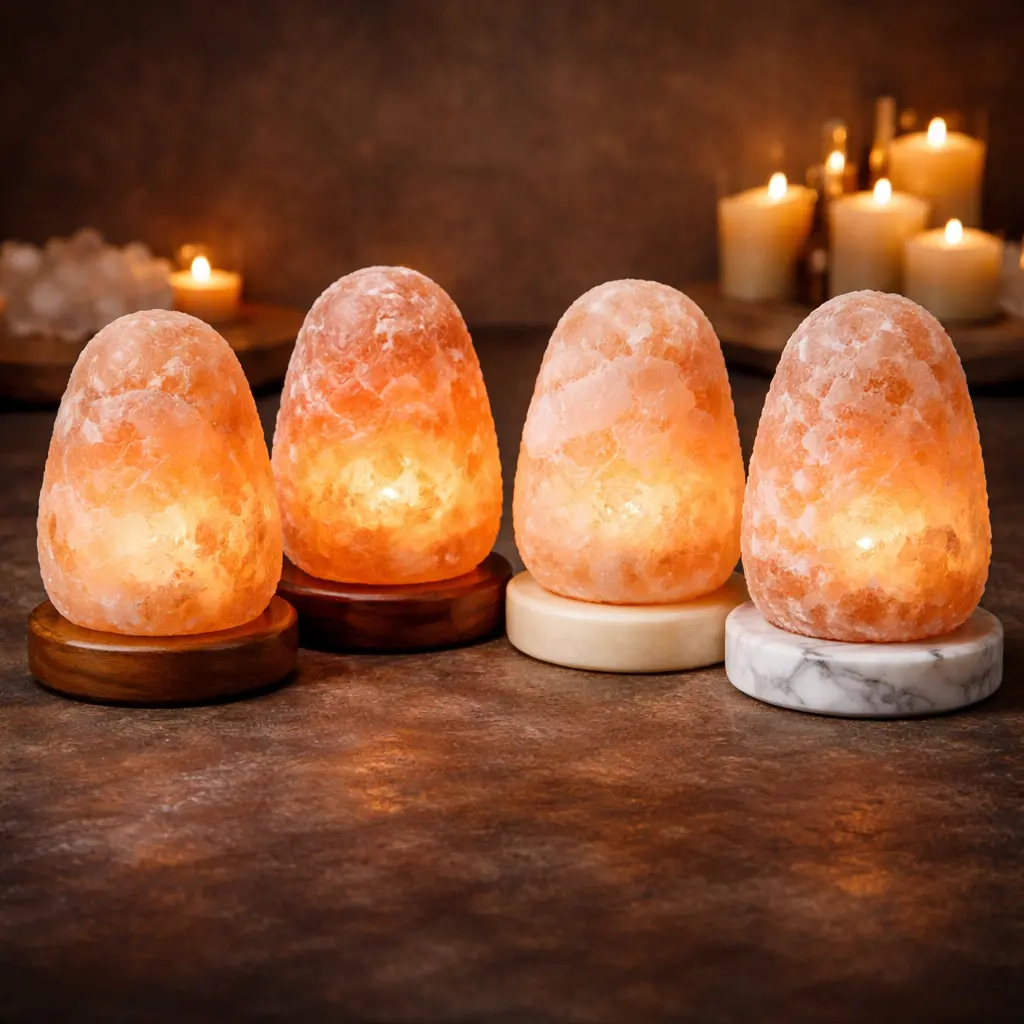
Onyx and marble bases transform salt lamps into high-end decor. The unique veining of each stone offers an artisanal quality and luxurious feel that surpasses standard wood.
The Appeal of Natural Stone Bases
While wood is standard, natural stone like onyx and marble positions a salt lamp in a completely different product category. It moves from a simple wellness item to a piece of high-end home decor. The value is rooted in the material’s inherent uniqueness and substantial feel.
- Geological Uniqueness: Every base has unique geological patterns and color variations. No two lamps are identical, which is a strong selling point for customers seeking one-of-a-kind items.
- Substantial Foundation: The weight and polished finish of stone provide a stable, high-end foundation for the salt crystal. This adds perceived value and durability.
- Artisanal Positioning: Hand-carved forms, from simple cubes to more sculptural designs, position these lamps as artisanal decor, not mass-produced commodities.
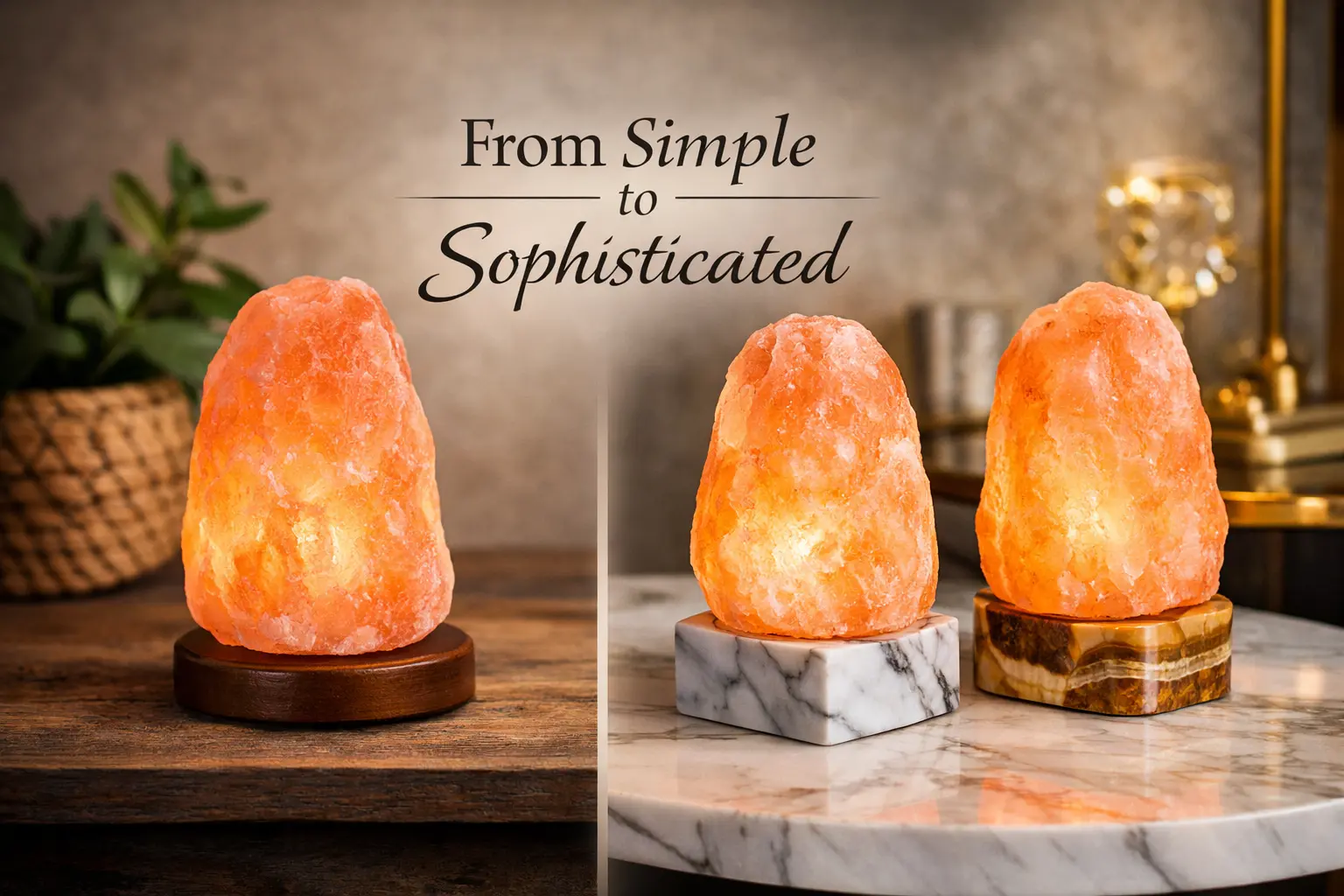
Our Premium Marble Base Option
For our B2B clients, we offer premium marble as a key material choice to create high-value salt lamps. This option isn’t just about looks; it’s a strategic decision for targeting a more discerning customer.
A marble base complements the “Nature’s Geometry” of the salt crystal, creating a cohesive and distinguished product. This pairing is ideal for businesses targeting the luxury home décor and high-end retail markets, where customers expect superior materials and craftsmanship.
Screw Mounting vs. Spring Clip Systems
Screw mounting offers a fixed electrical connection, while spring clips use tension to better resist vibration. Both systems are effective when part of a high-quality, certified electrical assembly.
How Each Connection System Works
Screw mounts are the traditional approach for internal wiring. The system uses a simple screw that tightens to clamp the electrical wire, creating a strong and direct point of contact. This method is straightforward and has been used for decades.
Spring clip systems rely on a tension-loaded clamp. The clamp automatically grips the wire and maintains constant pressure. This design helps the connection adapt to minor vibrations or thermal expansion and contraction, which can prevent loosening over time.

Our Focus on Certified Electrical Safety
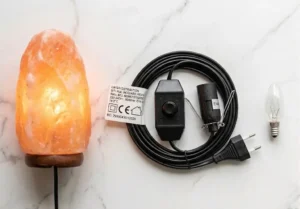
The specific connection method—screw or spring—is less critical than the overall quality and certification of the electrical components. We prioritize safety and compliance above all else. That’s why we use high-quality, heat-resistant E12 and E14 bulb holders to match different international market requirements.
Certification is destination-specific, so we document what we hold and quote the rest in writing. CE with a RoHS file covers the European Union, and UKCA covers Great Britain, where GOV.UK guidance still recognises CE marking for electrical goods. A US or Australian order needs UL or ETL and SAA listed components specified at the factory rather than assumed from a European build. The ISO 9001 and BSCI scope behind our paperwork is on our factory audits page.
Preventing Wood Warp in High Humidity
Wood warps in high humidity because it’s hygroscopic, absorbing moisture unevenly. The best prevention involves stable environmental humidity and using wood that has undergone specialized moisture-controlled processing and sealing.
Why Wooden Bases React to Humidity
Wood is a hygroscopic material. This just means it naturally absorbs moisture from humid air and releases it in dry conditions. It’s constantly trying to find a balance with its environment.
Warping happens when different parts of the wood absorb that moisture at different rates. One side might swell faster than the other, causing the base to cup, twist, or bend. For the best stability, keep the base in steady indoor air rather than a damp or overheated room.

Our Factory-Level Moisture Control Process
We don’t leave stability to chance. Our factory follows a strict “Moisture-Controlled Processing” protocol for every wooden component used in our salt lamps. This isn’t an optional step; it’s central to our production quality.
Our stable wooden bases, including the Natural Rosewood option, are treated and assembled in controlled environments to minimize moisture issues from day one. This entire process ensures each base is ready for global distribution, maintaining its form and structural integrity whether it ends up in a dry Arizona warehouse or a humid UK storefront.
Custom Base Engraving for B2B Brands
Custom base engraving strengthens brand identity with laser or UV printing. We offer full OEM/ODM services for bespoke designs with accessible minimum order quantities for our partners.
Adding a logo or unique design to a salt lamp base is a straightforward way to differentiate your product in a crowded market. It moves the lamp from a generic commodity to a branded asset. The right technology ensures the branding is clean, durable, and aligns with your quality standards.
Branding Technologies for Personalization
There are a few solid methods for customizing salt lamp bases, each with its own application. The choice depends on the material, desired aesthetic, and production volume.

- Laser Engraving: This is the go-to for precision. It delivers crisp, clean logos and intricate text on wooden bases. It’s fast, consistent, and ideal for high-volume orders where brand accuracy is critical.
- UV Printing: For brands that need full-color logos or designs, UV printing is the best fit. The ink is cured instantly, creating a durable, scratch-resistant finish on various base materials, including wood and marble.
- Hand Engraving: This method offers an artisanal, premium feel. It’s best suited for limited editions or high-end product lines where a unique, handcrafted touch adds significant perceived value.
OEM and ODM Solutions for Unique Base Designs
Beyond simply adding a logo, we work with brands to develop completely proprietary base designs. As a source factory, our OEM/ODM services cover everything from initial concept to mass production, helping you create a product that is truly your own.
- Full Partnership: We develop proprietary base shapes, materials, and finishes based on your brand’s specific vision and market requirements.
- Accessible Production: Custom manufacturing is available with a low Minimum Order Quantity (MOQ) of just 300 pieces, making it feasible for both established brands and growing businesses.
- R&D Support: Our team provides technical guidance to ensure the final product is not only aesthetically pleasing but also stable, compliant, and ready for your target market.
Sourcing Metal Base Alternatives
The market prefers wood, marble, and plastic over metal to avoid corrosion. Natural rosewood and premium marble are favored for their stability, durability, and high-end aesthetic.
Primary Materials in the Market
Most salt lamp suppliers avoid metal bases. The salt’s hygroscopic nature means it pulls moisture from the air, which can lead to rust and corrosion on metal surfaces. Instead, the industry has standardized around a few key non-metal materials that offer better longevity and align with the product’s natural look.
- Wooden Bases: This is the most common choice by far. Wood offers a natural appearance that complements the salt crystal, providing a stable and classic foundation.
- Marble Bases: Positioned as a premium option, marble provides a heavier, more luxurious feel. It adds significant weight and stability, targeting higher-end home décor markets.
- Plastic Bases: A practical, non-corrosive alternative. Many manufacturers use custom-designed plastic bases specifically to meet stringent UL electrical safety standards.
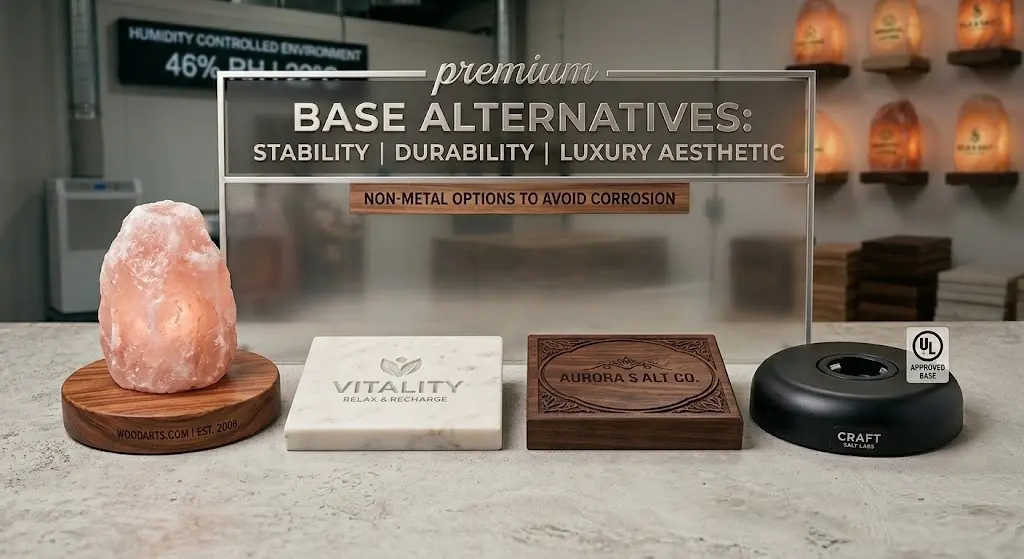
Our Premium Wood and Marble Options
We focus on materials that guarantee stability and enhance the lamp’s retail value. For wholesalers and brand owners, the base isn’t just a support piece—it’s a critical part of the product’s perceived quality and market positioning. We offer two primary, high-quality options.
Each of our lamps comes standard with a stable Natural Rose Wooden Base. This material provides the authentic, earthy look that consumers expect, and its durability ensures a long product life. For clients targeting a luxury segment, we also offer Premium Marble bases. These add significant weight and a polished finish, elevating the lamp into a high-end decorative piece with greater retail appeal.
Final Thoughts on Base Longevity
The right base is more than a decorative element; it is a critical component for structural stability and moisture protection. From the modern, high-end appeal of marble and onyx to the organic warmth of neem and rosewood, choosing the correct material directly impacts your product’s retail value and safety compliance.
At ewoodarts, we provide precision-engineered bases that ensure proper airflow and secure electrical fitment. To understand how base selection integrates into a complete, ISO-certified quality control process, read our the wholesale sourcing guide for the full quality-control sequence.
Custom base geometry, engraving and material substitution are quoted against the same 300-piece minimum used across our custom salt products line.
Buyers comparing sizes and wattage before committing a container should read the salt lamp size chart first, since base diameter has to match the drilled cavity, and the wholesale salt lamp range lists the open-stock base shapes.
Base Geometry, Timber Moisture and Certified Electricals in One Plant
Specify rosewood, onyx or marble at the 300-piece custom minimum, or start a 100-piece trial under air DDP, with CE and UKCA documentation on file and the plug set for the destination market.
Frequently Asked Questions
What kind of wood is best for a salt lamp base?
Rosewood and neem wood are the most common choices because they provide the stability needed for the heavy salt crystal. Rosewood is often used for a more premium appearance. The best option really depends on the desired balance between looks and moisture resistance.
Can the wooden base of a salt lamp get damaged?
Yes, moisture from the lamp can cause a wooden base to warp or stain over time. To prevent this, keep the lamp on regularly to evaporate any moisture, use a protective mat underneath, and avoid placing it in highly humid areas like bathrooms.
How do you attach the salt rock to the base?
The salt rock is secured to its base with screws inserted from underneath. This mechanical fastening is standard for commercial lamps because it provides a strong connection and allows for easy base replacement if needed.
Is it possible to replace a broken salt lamp base?
Yes, replacing the base is straightforward. You just need a Phillips head screwdriver to remove the screws holding the old base, position the new one, and then tighten the screws. Replacement bases in wood or marble are commonly available.
What is the spring clip inside the lamp for?
The spring clip, or ‘butterfly clip,’ is a metal part that holds the light bulb fixture securely in the center of the lamp. It prevents the hot bulb from touching the inner salt wall, which protects the bulb and makes it simple to change.