Skip to content
Every spring, gift shops, garden centers, and seasonal retailers across Europe and North America refresh their displays with pastel-colored ornaments, bunny figurines, and egg-shaped decorations. Among the widest array of Easter products on offer, wooden Easter decor has carved out a distinctive niche — prized for its handcrafted warmth, natural material appeal, and the artisanal quality that mass-produced resin or plastic alternatives simply cannot replicate. For B2B buyers sourcing seasonal inventory, understanding the full range of wholesale wooden Easter decor options — from traditional bunny figurines to contemporary spring-themed wall art — is essential for building a collection that drives both foot traffic and repeat purchases.
This guide covers the product categories, material options, customization pathways, and compliance requirements that define the wholesale wooden Easter decor market. Whether you are a specialty seasonal retailer, a garden center buyer, or an e-commerce brand expanding into holiday décor, this article provides the specification knowledge needed to source confidently.
The Wholesale Wooden Easter Decor Range: Bunnies, Eggs, Chicks, and Beyond
The wooden Easter decor category is broader than many buyers initially realize. Beyond the classic bunny figurine, the range encompasses several distinct product types, each serving different retail contexts and price points.
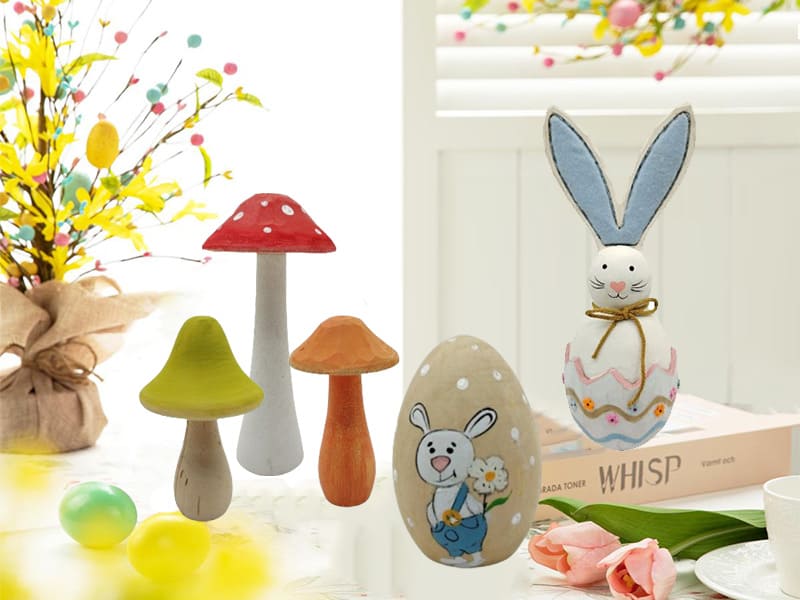
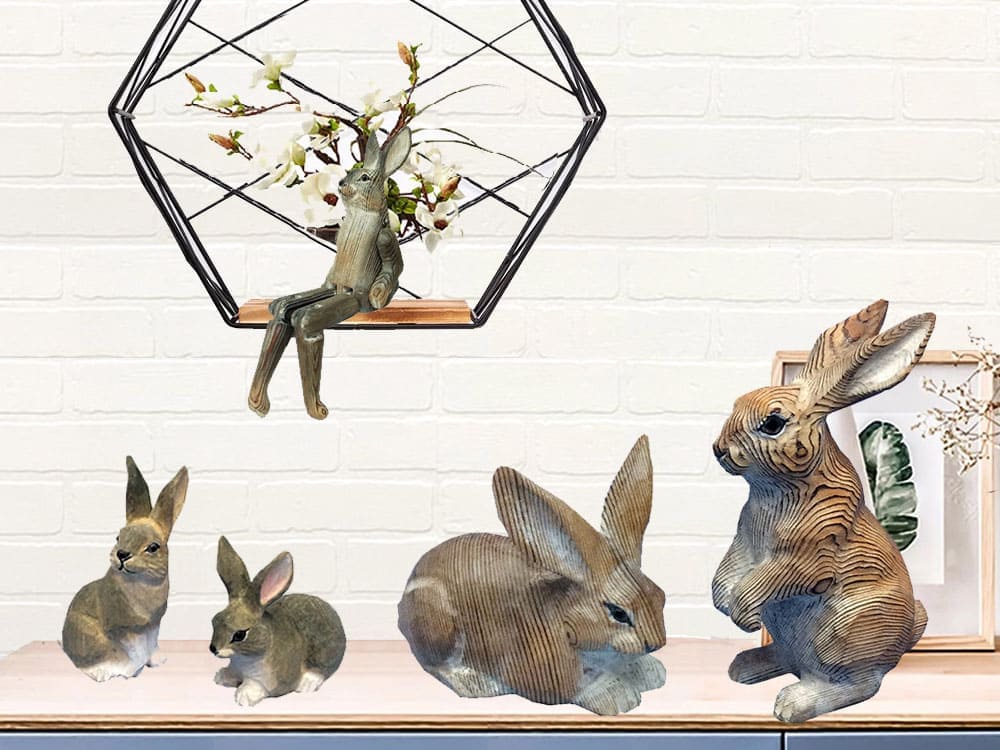
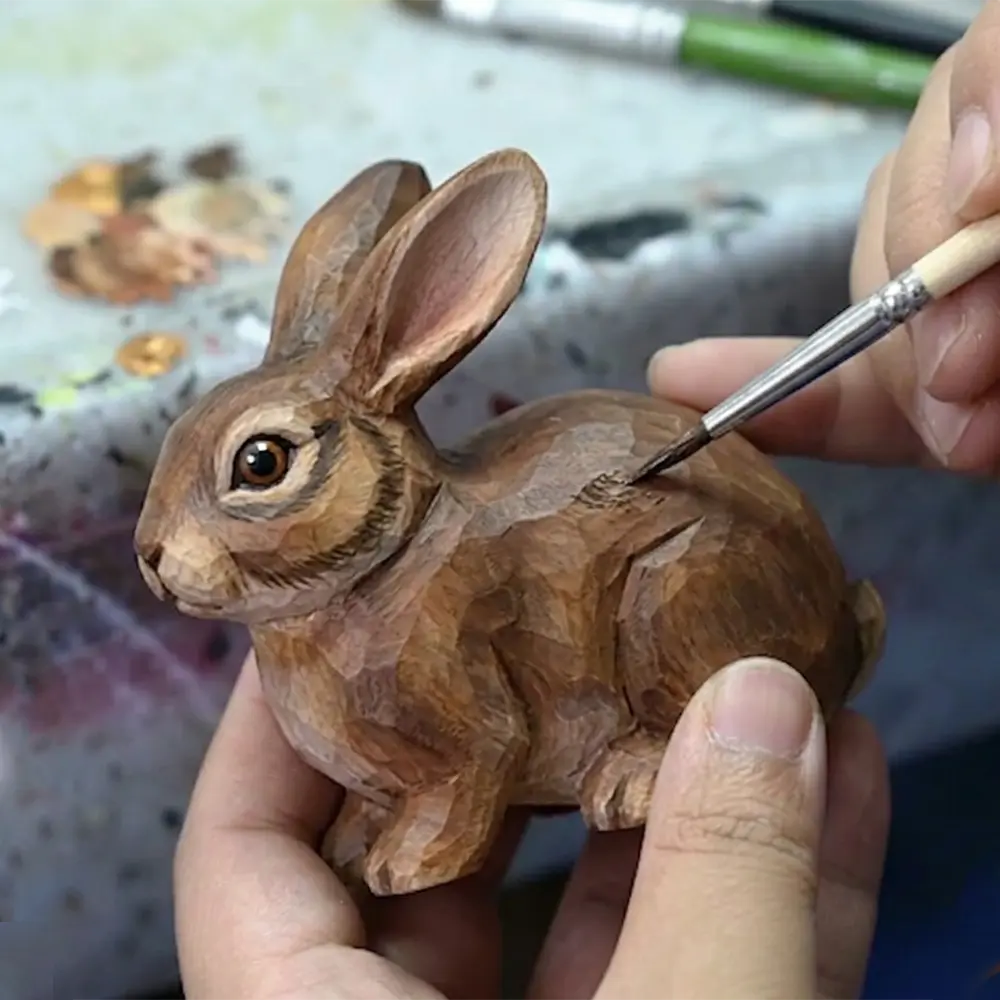
Wooden Easter bunnies: The undisputed best-seller in the category. Hand-carved wooden bunny figurines range from 5cm miniature pieces (ideal for party favors and advent-calendar-style Easter countdowns) to 30cm+ statement pieces designed for mantel displays. The most popular styles include realistic rabbit poses, stylized Scandinavian-inspired designs with clean lines, and whimsical painted bunnies in pastel clothing. For wholesale buyers, bunny figurines typically account for 40–50% of Easter decor revenue.

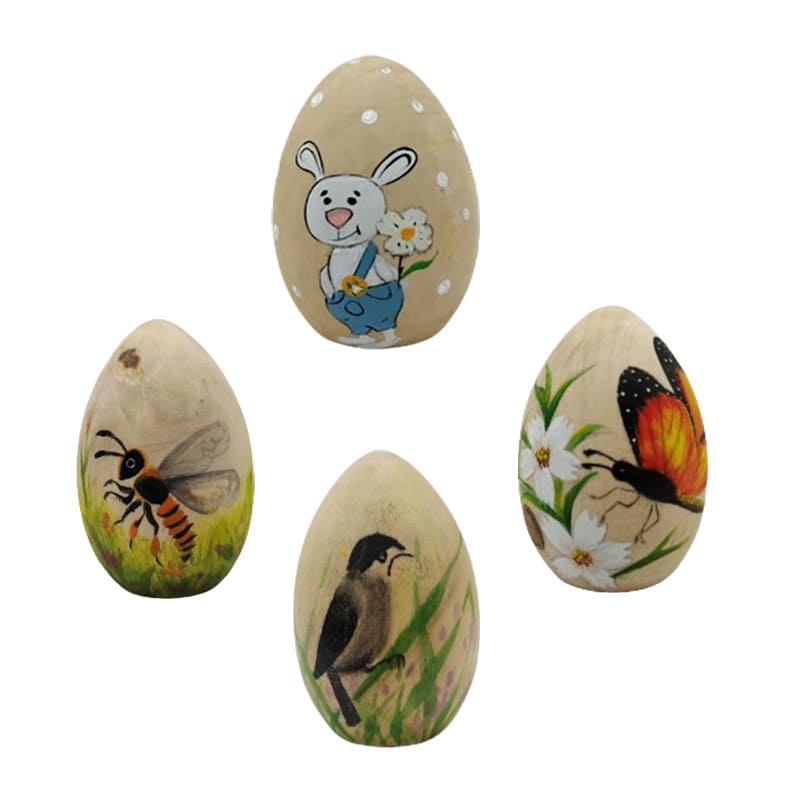
Wooden Easter eggs: Decorative wooden eggs serve multiple retail functions. Plain, unfinished eggs appeal to the craft/DIY market — schools, workshops, and hobbyists purchase them in bulk for painting activities. Hand-painted wooden eggs with floral patterns, geometric designs, or folk-art motifs serve the premium gift segment. Some manufacturers offer egg sets arranged in decorative nests or on wooden trays, creating ready-to-sell gift displays.
Wooden chicks and farm animals: Baby birds, lambs, and ducklings are popular secondary Easter motifs that complement the bunny-centric core range. These pieces are particularly effective in family-puzzle format or as part of a mixed spring collection that tells a broader seasonal story.

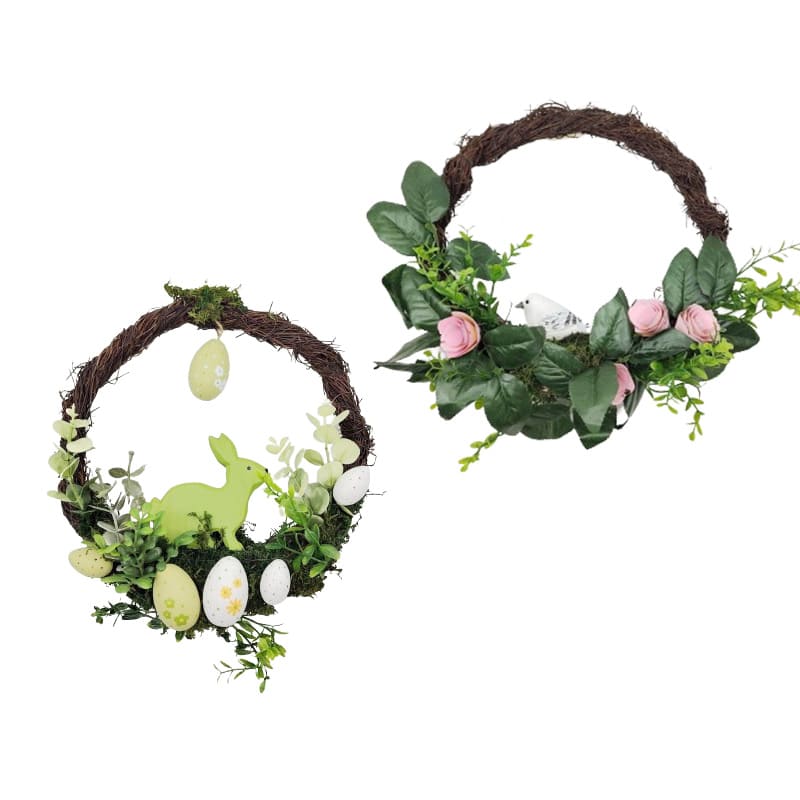
Wooden wreaths and wall decor: Flat-carved wooden Easter wreaths featuring spring flowers, bunny silhouettes, and egg garlands serve the home décor segment. These pieces (up to 40cm in diameter for standard designs) are designed for door or wall mounting and often feature a combination of carved wood and natural textile elements like linen bows or dried flower accents.
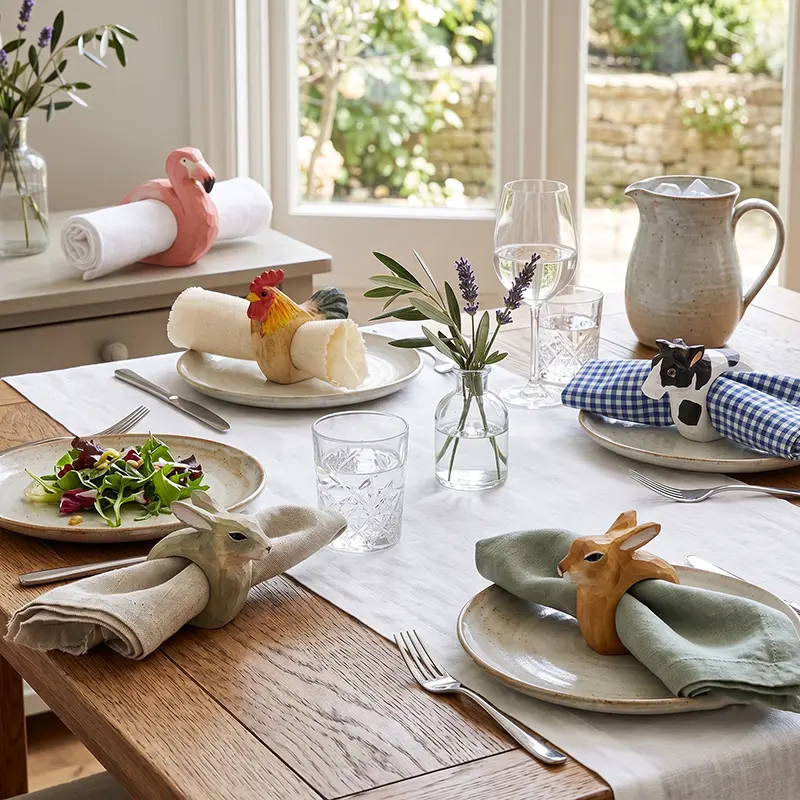
Wooden napkin rings and table decor: For the hospitality segment — hotels, restaurants, and event venues — wooden Easter napkin rings, egg cup holders, and table centerpieces offer a functional-decorative crossover product. These items are particularly popular in European markets where Easter table styling is a significant seasonal tradition.
Materials and Finishes: Natural, Painted, and Pastel
The material and finish of wooden Easter decor directly affects its retail positioning, perceived value, and target customer. Most hand-carved wooden Easter decorations are produced from basswood — a fine-grained, lightweight hardwood that holds carving detail beautifully and accepts both natural and painted finishes with equal quality.
Natural finish: Unpainted wooden Easter decor showcases the wood’s natural grain and appeals to the growing consumer segment that prefers minimalist, Scandinavian-inspired aesthetics. Natural finish pieces are often sealed with a food-safe mineral oil or beeswax coating that enhances the wood tone without adding color. This finish is particularly popular in Northern European markets and among retailers positioning their Easter range as “eco-conscious” or “sustainably crafted.”
Pastel paint finishes: The traditional Easter palette — soft pinks, mint greens, sky blues, butter yellows, and lavender — remains the dominant finish for hand-carved Easter bunnies and eggs. High-quality manufacturers use eco-friendly, non-toxic paints that comply with EN71-3 heavy metal migration standards. The paint application is typically hand-brushed rather than spray-painted, which creates the subtle brush-stroke texture that signals handcrafted authenticity to discerning buyers.
Color-wash and distressed finishes: A growing trend in Easter decor is the “vintage spring” aesthetic — wooden pieces with a translucent color-wash that allows the wood grain to show through, sometimes with lightly distressed edges for a timeworn look. This finish bridges the gap between traditional Easter pastels and the year-round farmhouse décor market, extending the product’s selling window beyond the Easter weekend itself.
Customization and OEM Capabilities for Seasonal Decor
One of the strategic advantages of sourcing wooden Easter decor from an established OEM/ODM factory is the ability to customize designs at scale. Customization options include:
Brand-specific color palettes: Retailers with established brand colors can request that Easter decor pieces be painted to match exact Pantone references. This is particularly valuable for chain stores and e-commerce brands that want their seasonal range to align with their visual identity.
Custom designs and motifs: Provide reference images, sketches, or CAD files, and the factory’s carving team can develop exclusive Easter designs for your brand. A skilled hand-carving team can translate virtually any 2D artwork into a 3D wooden piece, with sizes ranging from 5cm to 40cm for three-dimensional carvings and up to 80cm for flat-mounted designs.
Custom packaging: Retail-ready packaging — including color boxes with your branding, insert cards with product stories, and window boxes that display the product — is available at MOQs of 500 pieces per design. For retailers selling through multiple channels, factories can produce channel-specific packaging (e.g., bulk poly-bag packing for wholesale, gift boxes for direct-to-consumer).
The OEM process typically begins with a sample approval stage: the factory produces a pre-production sample based on your specifications, you review and request modifications if needed, and only then does mass production begin. This process usually takes 15–20 days for sampling and 60–90 days for full production, depending on order complexity and volume.
Compliance Requirements for Seasonal Wooden Decor
Wooden Easter decor intended for general decorative use falls under different compliance requirements than products marketed specifically as children’s toys. However, the distinction is not always clear-cut, and prudent buyers should verify compliance across multiple standards.
If a wooden Easter decoration could reasonably be considered a children’s toy (e.g., a bunny figurine marketed alongside other toy Easter gifts), it must comply with EN71-1/-2/-3 in the EU or ASTM F963 in the US. This includes mechanical safety (no small parts for under-3s), flammability testing, and heavy metal migration limits for paints and coatings. Products must carry CE marking (EU) or UKCA marking (UK).
For purely decorative pieces not intended as toys, EN71 compliance is not legally required, but many retailers still request it as a quality assurance measure. Painted wooden decor should always be verified for non-toxic paint compliance regardless of its intended use — this protects both the retailer’s brand reputation and the end consumer.
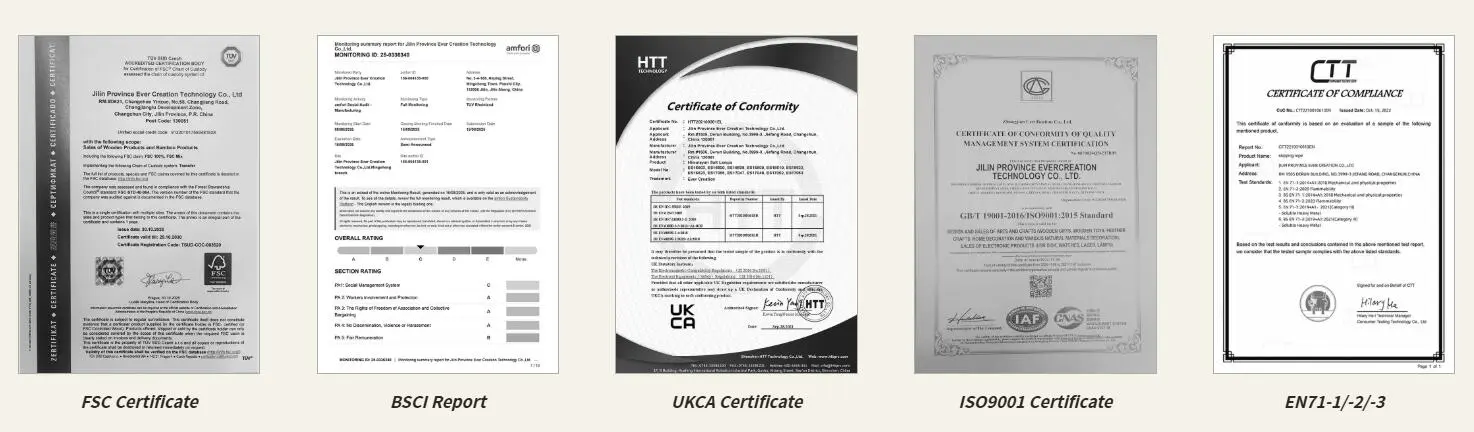
When sourcing from an established factory, request compliance documentation specific to your order’s materials and finishes. A reliable supplier will hold current BSCI social compliance audit reports and ISO 9001 quality management certification, providing additional assurance of production standards.
Seasonal Timing: When to Place Easter Decor Orders
Timing is critical in seasonal décor procurement. Easter dates vary each year (falling between late March and late April), and production timelines mean that orders must be placed significantly in advance. Here is a typical ordering timeline for wholesale wooden Easter decor; the full week-by-week countdown from shelf date back to deposit is in the Easter merchandising timeline:
6–8 months before Easter: Finalize designs, approve pre-production samples, and place bulk orders. This is the window for fully custom OEM designs. Factories begin allocating production capacity for seasonal orders during this period, and early orders receive priority scheduling.
4–6 months before Easter: Last chance for custom color or packaging modifications on existing designs. Standard designs with minor customizations (e.g., color changes) can still be accommodated.
2–4 months before Easter: Stock items and repeat orders from existing designs typically ship within 7–15 days from the factory. This is the window for replenishment orders and last-minute additions based on early seasonal demand signals.
Retailers who plan their Easter procurement cycle around this timeline avoid the production bottlenecks that affect late-ordering buyers — and ensure they receive the full range of sizes, designs, and finishes they need.
Building a Year-Round Seasonal Strategy with Wooden Decor
Smart retailers do not treat Easter decor as an isolated seasonal event. Instead, they build a year-round seasonal calendar using the same wooden decor supplier. A factory capable of producing hand-carved Easter bunnies can equally produce wholesale wooden Christmas ornaments, Halloween-themed carvings, Valentine’s Day hearts, and autumn harvest motifs. This approach delivers several advantages: consolidated supplier management, consistent design language across seasons, volume-based pricing benefits, and streamlined logistics (combining seasonal orders into shared container shipments).
For importers and retailers looking to build a comprehensive seasonal wooden decor program, the key is selecting a manufacturing partner with both the artistic capability to produce diverse seasonal designs and the operational scale to deliver consistently across multiple peak periods throughout the year.
With hand-carved quality, certified compliance, and flexible OEM customization, wholesale wooden Easter decor offers retailers a high-margin, differentiated product category that celebrates the season while building lasting customer loyalty through artisanal craftsmanship.
Ready to stock wholesale wooden Easter decor?
From hand-carved bunnies and painted eggs to wreaths and table decor, our factory supports OEM/ODM programs with EN71 compliance and 20+ years of export manufacturing experience. Place your Easter orders early to secure production capacity.
Explore Wholesale Wooden Easter Decor →Frequently Asked Questions
What types of wooden Easter decor are most popular for wholesale?
Hand-carved wooden bunny figurines are the top-selling Easter decor category, followed by decorative wooden eggs, chick and farm animal figures, wooden wreaths, and napkin rings. Together, these product types cover impulse-buy, mid-range gift, and premium display segments.
Can wooden Easter decor be customized with brand colors?
Yes. OEM manufacturers can match paint colors to specific Pantone references, produce custom designs from your reference artwork, and create branded retail packaging. Custom color matching is available at standard wholesale MOQs (typically 300 pieces).
What is the minimum order quantity for wholesale wooden Easter decor?
Trial orders start at 100 pieces (minimum USD 500), allowing retailers to test designs before committing to larger volumes. Standard wholesale orders begin at 300 pieces, with custom retail packaging available at 500 pieces per design.
When should I place my Easter decor wholesale order?
For fully custom designs, place orders 6–8 months before Easter. For stock items and repeat orders, 2–4 months before Easter is sufficient. Early ordering ensures priority production scheduling and the widest selection of designs and sizes.